Introduction
If your dog starts scratching, rubbing their neck raw, or showing redness every time they wear a collar, it might not be just an itch—it could be a sign of sensitive skin reacting to the wrong material or fit. Just like humans, dogs can suffer from allergies, dermatitis, and skin sensitivities that make everyday accessories like collars a source of discomfort rather than convenience. Choosing the right collar isn’t just about style or function; for dogs with delicate skin, it can mean the difference between a happy pup and constant irritation.
In this guide, we’ll walk you through everything you need to know to select a collar that’s gentle, safe, and comfortable for dogs with sensitive skin. You’ll learn which materials are least likely to cause irritation, how to ensure a proper fit, and what features to look for (or avoid) when shopping. We’ll also share practical tips from veterinarians and real-life dog owners, plus a few product recommendations that consistently earn top marks for comfort and skin-friendliness.
By the end of this article, you’ll feel confident choosing a collar that supports your dog’s health without sacrificing style or safety. Let’s dive in—and give your furry friend the comfort they truly deserve.
Why Sensitive Skin in Dogs Demands Special Attention
Not all dog skin is created equal. Some breeds—like Bulldogs, Shar-Peis, Shih Tzus, and Dachshunds—are more prone to skin folds, allergies, or conditions like atopic dermatitis. Even dogs without breed-specific vulnerabilities can develop sensitivities due to environmental allergens, food reactions, or over-bathing with harsh shampoos.
When a collar rubs against inflamed or thin skin, it can worsen existing conditions or even trigger new ones. Common signs your dog’s collar might be irritating their skin include:
- Redness or raw patches around the neck
- Excessive scratching or head shaking
- Hair loss in the collar area
- Foul odor or oozing (a sign of possible infection)
Ignoring these signs can lead to hot spots, bacterial infections, or chronic discomfort that affects your dog’s mood and behavior. That’s why it’s crucial to treat collar selection as part of your dog’s overall skin health strategy—not just an afterthought.
Veterinarians often recommend switching to hypoallergenic, breathable collars as a first step in managing skin sensitivity. “Many owners don’t realize that everyday materials like nylon or metal hardware can harbor bacteria or cause micro-abrasions,” says Dr. Elena Martinez, a veterinary dermatologist based in Colorado. “Choosing the right collar can significantly reduce flare-ups.”
So, before you grab the first colorful option off the shelf, consider your dog’s unique needs. The right choice starts with understanding what irritates—and what soothes.
Material Matters: Choosing Skin-Friendly Fabrics
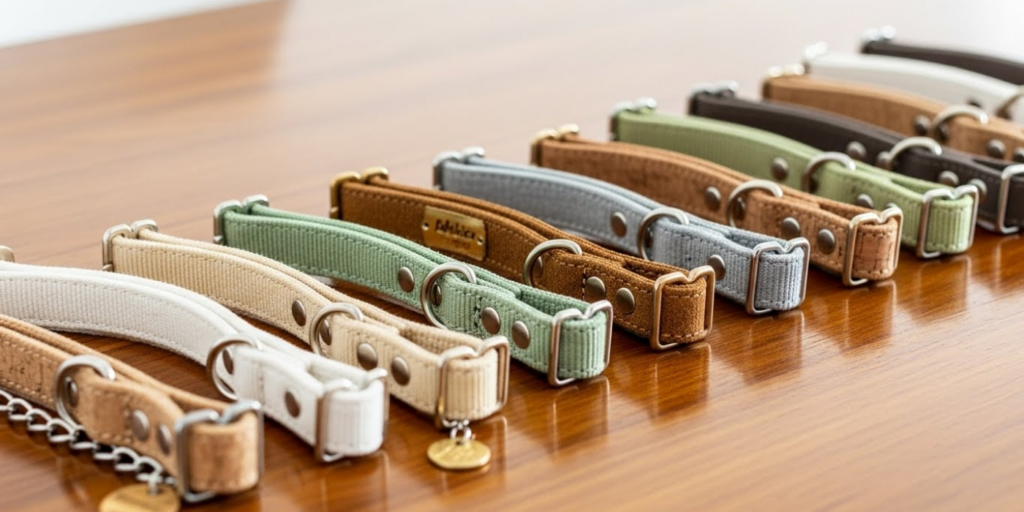
When it comes to collars for sensitive-skin dogs, material is everything. Not all fabrics are created equal, and some common options can do more harm than good.
Nylon, while durable and affordable, is often treated with dyes and chemical finishes that can trigger allergic reactions. Plus, it doesn’t breathe well—trapping moisture against the skin and creating a breeding ground for yeast or bacteria.
Leather might seem like a natural alternative, but lower-quality leather is often tanned with chromium or other irritants. Even high-grade leather can dry out and crack over time, creating rough edges that chafe delicate skin.
So, what’s the best option?
- Hypoallergenic neoprene: Soft, water-resistant, and padded, neoprene collars are often lined with breathable mesh. They’re gentle on the skin and ideal for dogs who swim or sweat.
- Organic cotton or hemp: These plant-based fibers are naturally antimicrobial, breathable, and rarely treated with harsh dyes. Look for collars labeled “undyed” or “GOTS-certified” (Global Organic Textile Standard).
- Silicone or medical-grade TPU: Emerging as a favorite among holistic pet owners, these materials are non-porous, easy to clean, and completely inert—meaning they won’t leach chemicals.
One real-life example: Sarah K., a dog mom from Oregon, switched her French Bulldog’s nylon collar to an organic cotton one after noticing persistent neck rashes. “Within a week, the redness faded. Now, I only buy collars made from natural fibers,” she says.
Pro tip: Always wash new collars before use—even “natural” ones may have residual manufacturing dust or sizing agents that irritate sensitive skin.
Fit and Function: Avoiding Friction and Pressure Points
Even the softest collar can cause problems if it doesn’t fit properly. A too-tight collar creates constant pressure, restricting airflow and blood flow while promoting chafing. A too-loose one may slip, twist, or rub unevenly—also leading to irritation.
The “two-finger rule” is a reliable guideline: you should be able to slide two fingers comfortably between the collar and your dog’s neck. But for sensitive-skin dogs, go a step further:
- Measure your dog’s neck with a soft tape measure (don’t guess!).
- Choose collars with adjustable buckles rather than fixed sizes.
- Avoid collars with stiff edges, thick seams, or protruding tags near the skin.
Also consider width. A wider collar (1–1.5 inches for medium/large dogs) distributes pressure more evenly than a narrow one, reducing the risk of concentrated friction. However, for small breeds with delicate necks, a very wide collar might be cumbersome—so balance is key.
Flat, seamless designs are ideal. Some brands now offer rolled-edge collars or contoured shapes that follow the natural curve of a dog’s neck, minimizing contact points.
And don’t forget the hardware. Nickel-plated buckles or D-rings can cause contact dermatitis in metal-sensitive dogs. Opt for stainless steel, plastic, or coated zinc alloy hardware—and ensure all edges are smooth.
As dog trainer Marcus Lee puts it: “A collar should feel like a soft hug—not a chokehold.”
Special Features That Make a Difference
Beyond material and fit, certain design features can significantly enhance comfort for sensitive-skin dogs.
Padding: Look for collars with built-in cushioning—especially around the underside where the collar meets the skin. Memory foam or neoprene padding absorbs shock during walks and reduces direct contact with rough surfaces.
Tagless designs: Traditional ID tags dangle and slap against the neck, causing micro-traumas over time. Consider engraved collars (where contact info is laser-etched directly onto the material) or QR code tags that lie flat against the collar.
Easy-clean surfaces: Bacteria thrive in dirty collars. Choose materials that can be wiped down quickly or tossed in the washing machine. Avoid porous fabrics like untreated canvas, which trap odors and allergens.
Reflective or glow-in-the-dark options: Safety doesn’t have to compromise comfort. Many hypoallergenic collars now include reflective threads woven into the fabric—no added plastic strips or stickers that might peel and irritce.
One standout innovation? Collars with removable liners. These allow you to swap out the inner layer for washing while keeping the outer shell intact—ideal for dogs with seasonal allergies or recurring skin issues.
Brands like Earth Dog, Blueberry Pet’s Eco Collection, and Wild One’s SensiCollar line have built reputations around these thoughtful features. Reading verified customer reviews—especially those mentioning “sensitive skin” or “allergies”—can provide real-world validation.
Remember: convenience for you should never come at the expense of your dog’s comfort.
What to Avoid: Common Collar Pitfalls
Even well-meaning pet owners can accidentally choose collars that worsen skin issues. Here are the top mistakes to avoid:
- Fashion over function: Rhinestones, studs, or embossed patterns might look cute, but they create uneven pressure and trap moisture.
- Flea collars worn directly on skin: While useful for pest control, many flea collars contain pesticides that can cause chemical burns on sensitive dogs. If you must use one, layer it over a soft fabric collar—not against bare skin.
- “One-size-fits-all” claims: Dogs come in all shapes. A collar that fits a Border Collie won’t suit a Pug’s stocky neck.
- Ignoring wear and tear: Frayed edges, cracked plastic, or rusted hardware can turn a once-gentle collar into a skin hazard. Replace collars every 6–12 months, or sooner if damaged.
- Using training collars long-term: Prong, choke, or spray collars are never appropriate for sensitive-skin dogs—and shouldn’t be used as everyday wear, period.
As Dr. Martinez warns: “I’ve seen dogs develop deep ulcers from collars that looked ‘fine’ to their owners. If your dog flinches when you touch their neck, it’s time to reevaluate.”
When in doubt, consult your vet or a professional groomer—they often spot early signs of collar-related irritation before it becomes serious.
Real-Life Success Stories and Vet-Approved Tips

Sometimes, the best advice comes from those who’ve been there. Take Mia, a rescue Greyhound with chronic dermatitis. Her owner, James, tried six different collars before finding one lined with bamboo fabric. “It was like night and day,” he recalls. “She stopped pawing at her neck within 48 hours.”
Or consider Luna, a senior Shih Tzu whose skin thinned with age. Her vet recommended a medical silicone collar typically used post-surgery—but its softness worked so well that Luna now wears it full-time.
Veterinarians often suggest these practical steps:
- Rotate collars: Giving the skin a break by alternating between two gentle collars can prevent irritation from constant contact.
- Apply barrier ointments: In some cases, a thin layer of veterinary-approved balm (like calendula or coconut oil-based creams) can protect the skin—but never use human lotions, which may contain toxic ingredients.
- Monitor after baths: Wet skin is more vulnerable. Always ensure your dog’s neck is completely dry before reapplying a collar.
And don’t underestimate the power of observation. Spend a few minutes each day gently checking your dog’s neck for redness, bumps, or moisture. Early detection makes all the difference.
Conclusion
Picking the right collar for a dog with sensitive skin isn’t just about avoiding rashes—it’s an act of care, attentiveness, and love. As we’ve explored, the key lies in choosing hypoallergenic materials, ensuring a perfect fit, and prioritizing thoughtful design over flashy trends. From organic cotton to medical-grade silicone, the options are more diverse—and more skin-friendly—than ever before.
Remember: your dog can’t tell you when something hurts, but their behavior speaks volumes. If they’re rubbing, scratching, or resisting collar time, it’s a signal worth heeding. By making informed choices, you’re not just preventing discomfort—you’re enhancing their overall well-being and quality of life.
So the next time you’re shopping for a collar, think beyond color or brand. Ask: Is this gentle? Is it breathable? Is it kind to my dog’s skin? That mindset shift can transform a simple accessory into a tool of comfort and protection.
Now we’d love to hear from you!
Has your dog struggled with collar-related skin issues? What solutions worked for you? Share your story in the comments below—or tag a fellow dog parent who needs this guide. Together, we can help every pup wear their collar with comfort and confidence. 🐾

Mary Brown is a devoted pet enthusiast with a lifelong passion for animals of all kinds. From volunteering at local shelters to creating cozy, enriching spaces for her own furry family, she believes that every pet deserves love, comfort, and attentive care. With years of hands-on experience and a heart full of empathy, Mary shares practical tips and heartfelt insights to help fellow pet parents nurture happier, healthier lives for their companions.