Introduction
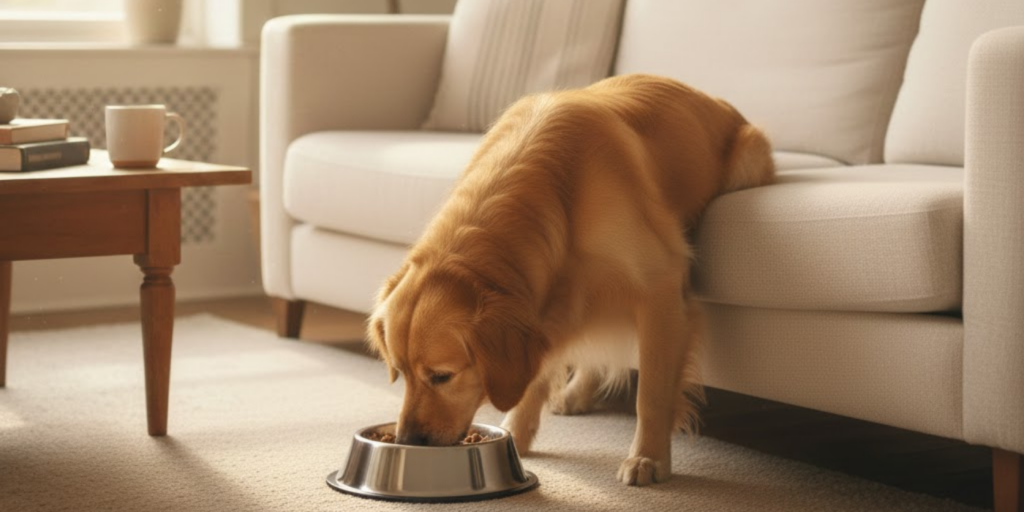
Imagine this: You’re walking through the kitchen, and your dog is happily munching on dinner—until you step a little too close. Suddenly, they stiffen, growl, or even snap. Your heart pounds. What just happened?
Food aggression—also known as resource guarding—is more common than many dog owners realize, but it’s often misunderstood and mishandled. Left unchecked, it can escalate into dangerous situations, strain the human-dog bond, and even lead to rehoming or surrender. The good news? Food aggression is manageable—and often fixable—with patience, consistency, and the right approach.
In this article, we’ll break down what food aggression really is, why it happens, and—most importantly—how you can address it safely and effectively at home. You’ll learn practical, vet-approved techniques that build trust instead of fear, along with real-life examples to guide you. Whether your dog gives a subtle lip curl or full-blown guarding behavior, these simple steps can help restore peace at mealtime and strengthen your relationship for good.
Let’s turn mealtime back into a calm, positive experience—for both of you.
Understanding Food Aggression: It’s Not “Bad Behavior”
Before jumping into solutions, it’s crucial to reframe how we see food aggression. Your dog isn’t being “dominant” or “spiteful”—they’re communicating fear. In the wild, dogs had to protect their food to survive. That instinct hasn’t vanished, even in our pampered pups.
Food aggression is a form of resource guarding, where a dog perceives their food (or bowl, treats, or even empty dishes) as something they must defend. Signs can range from subtle to severe:
- Stiffening or freezing when approached
- Eating faster when someone is near
- Lip licking, whale eye (showing the whites of the eyes)
- Growling, snapping, or biting
According to the American Veterinary Society of Animal Behavior (AVSAB), resource guarding affects up to 20% of dogs, making it one of the most frequent causes of bites in home settings—especially around children.
Why does this matter? Punishing a dog for growling (e.g., yelling or taking the food away) often suppresses the warning signs but intensifies the underlying anxiety. The dog may skip the growl next time and go straight to biting. That’s why positive, trust-based methods are not just kinder—they’re safer.
Think of it this way: if someone kept stealing your lunch, you’d feel stressed too. Your dog isn’t trying to control you—they’re trying to protect something vital to them.
Step 1: Create a Safe, Predictable Feeding Environment
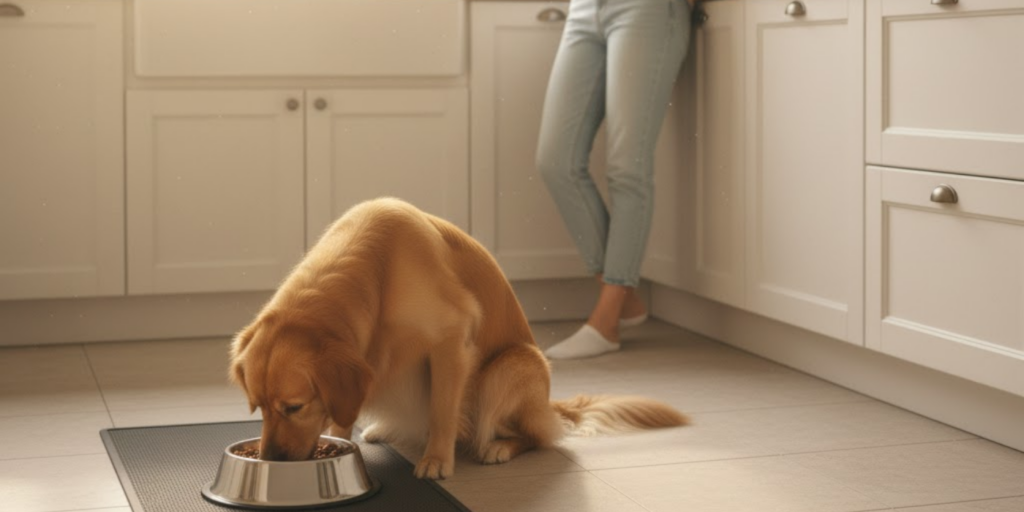
The foundation of fixing food aggression is building trust around food. Start by giving your dog space and consistency during meals.
Practical tips:
- Feed in a quiet, low-traffic area. Avoid kitchens or hallways where people constantly pass by. A corner of the living room or a gated-off space works well.
- Use a visual barrier if needed. A baby gate or room divider signals, “This is your safe zone.” Over time, as your dog relaxes, you can gradually reduce the barrier.
- Never take food away abruptly. This reinforces the idea that humans = food thieves. Instead, teach your dog that people near the bowl mean more good things happen.
One powerful exercise is “trade-ups.” While your dog eats, calmly drop higher-value treats (like small pieces of chicken or cheese) near—but not in—the bowl. Say nothing, just walk by and drop a treat. Over days, your dog will start associating your presence with better food, not loss.
Important: Never loom over the bowl or reach toward it during this phase. Keep your body turned slightly sideways and move slowly. Respect their space while slowly changing their emotional response.
This step alone can dramatically reduce tension at mealtime—especially in mild to moderate cases.
Step 2: Practice the “Leave-It” and “Drop-It” Cues
While not a direct fix for bowl guarding, teaching solid impulse control commands helps your dog learn that giving up something can lead to great rewards.
Start away from food situations:
- Hold a low-value treat in your closed hand. Let your dog sniff and paw.
- Wait until they back off—even for a second.
- Say “Yes!” and give them a better treat from your other hand.
Repeat until they reliably move away from your closed fist when asked. Then practice with items on the floor (“Leave it”) and gradually with higher-value objects.
For “Drop it,” use a toy: play a bit, then offer a treat in exchange. Say “Drop it,” and when they release, reward immediately. Never yank or pull—this creates conflict.
Once your dog masters these in neutral settings, you can very gradually apply them near (not at) mealtime—like asking them to “Leave it” while you set the bowl down, then rewarding compliance with a treat after they eat.
These cues build cooperation, not confrontation. And over time, your dog learns: “When humans ask for something, good things follow.”
Step 3: Hand-Feeding and Positive Association Training
This step directly tackles the root fear: “People take my food.” The goal? Flip the script so your dog thinks, “People give me food—and make it better!”
Try this daily routine:
- Measure your dog’s meal into a bowl—but don’t give it all at once.
- Sit nearby and feed a few kibbles by hand.
- Then place the bowl down and walk away.
- After a minute, return, drop a high-value treat into the bowl (without looking directly at your dog), and leave again.
- Repeat until the meal is finished.
Over time, increase your proximity: sit closer, speak softly, or even pet your dog after they’ve eaten a few bites (only if they’re relaxed).
Real-life success: Mark, a rescue owner, used this method with Luna, a shepherd mix who growled if anyone entered the room during meals. After three weeks of consistent practice, Luna began wagging her tail when Mark approached—and even backed away from the bowl to invite him closer.
This method works because it’s non-confrontational and reward-based. You’re not challenging your dog—you’re becoming part of the mealtime joy.
When to Call a Professional (And Why It’s Okay)
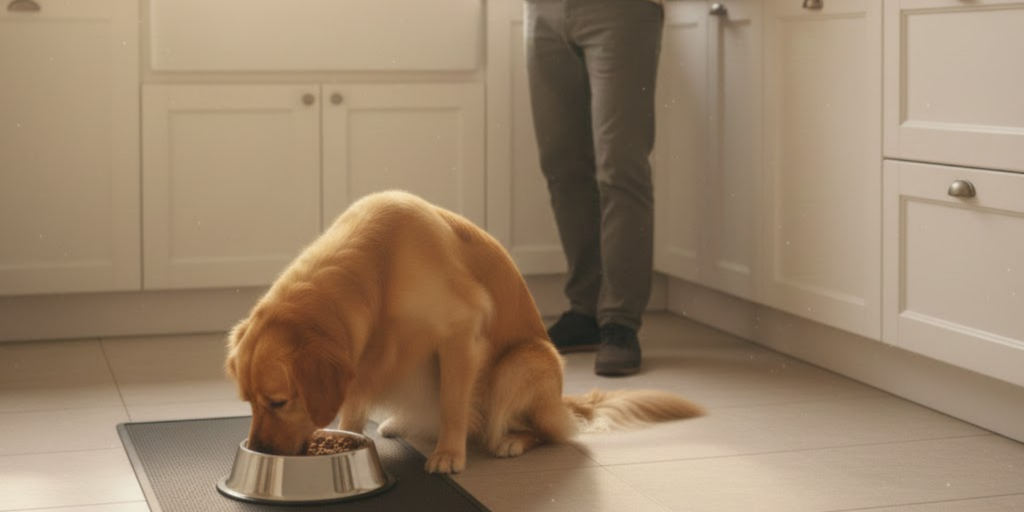
Let’s be clear: if your dog has snapped, bitten, or shown intense aggression (lunging, baring teeth) around food, consult a certified dog behaviorist or veterinary behaviorist immediately. Severe aggression can escalate quickly and requires expert guidance.
Attempting to “fix” high-level aggression on your own—especially with outdated dominance-based techniques—can put you and your family at risk and worsen your dog’s anxiety.
Look for professionals certified by:
- IAABC (International Association of Animal Behavior Consultants)
- CCPDT (Certification Council for Professional Dog Trainers)
- Dip ACVB (Diplomate of the American College of Veterinary Behaviorists)
Many behaviorists now offer virtual consultations, making help more accessible than ever. Think of it like therapy—for your dog’s emotional health.
Remember: Seeking help isn’t a failure. It’s a sign of responsible, loving ownership.
Prevention and Long-Term Peace at Mealtime
Even after improvement, consistency is key. To maintain progress:
- Never tease or “test” your dog by putting your hand in their bowl—this rebuilds fear.
- Supervise children around feeding areas. Teach them to respect the dog’s space.
- Continue occasional treat drops during meals as a “booster” for positive feelings.
- Avoid free-feeding if guarding is an issue; scheduled meals create predictability.
Also, consider food puzzle toys or slow feeders for part of their diet. These satisfy natural foraging instincts and reduce fixation on the bowl as the sole source of food.
Most importantly, celebrate small wins. A relaxed tail wag during meals, a soft eye glance instead of a stiff stare—these are signs your bond is healing.
Food shouldn’t be a battleground. With empathy, structure, and positive reinforcement, mealtime can become a moment of trust, not tension.
Conclusion: Patience, Trust, and a Peaceful Bowl
Fixing food aggression isn’t about dominance—it’s about connection. By understanding your dog’s fear, respecting their space, and consistently proving that your presence means safety (not threat), you can transform a stressful routine into a moment of calm and trust.
We’ve covered practical steps: creating a safe feeding zone, building impulse control, using hand-feeding to forge positive associations, and knowing when to seek expert help. Each of these tools works because they address the emotion behind the behavior—not just the behavior itself.
You don’t need perfection. You just need patience, consistency, and compassion. And remember: progress might be slow, but every small step counts.
If you’re in the middle of this journey, know you’re not alone. Thousands of dog owners have walked this path—and found peace on the other side.
Now, we’d love to hear from you: Have you dealt with food aggression in your dog? What strategies helped? Share your story in the comments below—your experience could be the lifeline another pet parent needs today. And if this article helped you, please share it with someone who might benefit. Together, we can make every meal a moment of trust.

Mary Brown is a devoted pet enthusiast with a lifelong passion for animals of all kinds. From volunteering at local shelters to creating cozy, enriching spaces for her own furry family, she believes that every pet deserves love, comfort, and attentive care. With years of hands-on experience and a heart full of empathy, Mary shares practical tips and heartfelt insights to help fellow pet parents nurture happier, healthier lives for their companions.