
Introduction
Picture this: you’ve just spent Sunday morning carefully planting marigolds along your garden border—only to find a crater-sized hole and uprooted flowers by Monday afternoon. Sound familiar? If your dog has turned your backyard into their personal excavation site, you’re not alone. Digging is a natural instinct for many dogs, but when it becomes destructive or obsessive, it can leave homeowners frustrated and landscapes ruined.
The good news? Digging isn’t a “bad dog” problem—it’s a behavior with a reason. And once you understand the “why,” you can find humane, effective ways to redirect it. In this guide, we’ll explore the most common motivations behind yard digging, from boredom and anxiety to instinct and overheating. More importantly, you’ll learn proven strategies to stop unwanted digging while keeping your dog happy, mentally stimulated, and physically satisfied.
Whether you’re dealing with a mischievous terrier, a heat-seeking husky, or a rescue dog with mysterious habits, this article offers practical, dog-friendly solutions that actually work. Let’s dig into what’s really going on—and how to restore peace (and your lawn).
Why Do Dogs Dig? Understanding the Root Causes
Before you can stop the digging, you need to understand why your dog is doing it. Dogs don’t dig out of spite—they’re communicating a need. Here are the most common reasons:
- Boredom or excess energy: A dog left alone for hours with nothing to do will often resort to digging as entertainment. It’s like their version of scrolling through social media—except messier.
- Instinct: Breeds like Jack Russell Terriers, Dachshunds, and Beagles were literally bred to dig. For them, it’s not a flaw—it’s in their DNA.
- Escape attempts: If your dog smells or sees something exciting beyond the fence (a squirrel, another dog, a jogger), they may dig to chase it.
- Comfort-seeking: In hot weather, dogs dig to reach cooler soil. In colder months, they might burrow for warmth.
- Anxiety or stress: Dogs with separation anxiety may dig near doors, windows, or fences as a coping mechanism.
- Hiding treasures: Some dogs bury bones, toys, or even food—a carryover from their wild ancestors.
Identifying the trigger is your first step toward a solution. Ask yourself: When does the digging happen? Where? What’s my dog’s routine like? The answers will point you in the right direction.
Strategy #1: Provide Mental and Physical Enrichment
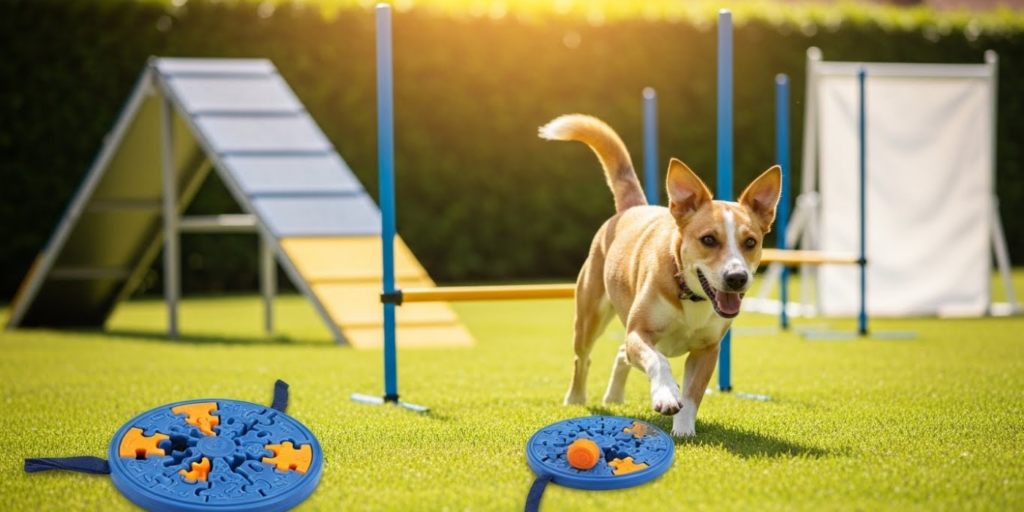
Often, digging is simply your dog’s cry for more stimulation. A tired dog is a well-behaved dog—and that goes double for high-energy or intelligent breeds.
Start by ramping up daily exercise. A quick 10-minute potty break won’t cut it for a Border Collie or Australian Shepherd. Aim for at least 30–60 minutes of brisk walking, running, or playtime each day. Bonus points for activities that engage their brain, like:
- Puzzle toys (e.g., Kong Wobbler, snuffle mats)
- Nose work games (hide treats around the yard and let them “hunt”)
- Basic obedience or trick training (even 10 minutes a day helps)
- Dog sports like agility, rally, or dock diving (check local clubs!)
You can also rotate toys weekly to keep things fresh. A bored dog with one squeaky toy will seek novelty—often in the form of a dirt pit.
Pro tip: Schedule enrichment before you leave your dog alone. A post-walk nap is far more likely than a post-nap dig session.
Strategy #2: Create a Designated Digging Zone
Instead of fighting nature, why not work with it? Many dogs will happily redirect their digging habit if given an approved spot.
Here’s how to build a dog-friendly digging pit:
- Choose a corner of the yard away from gardens and fences.
- Loosen the soil and mix in sand for easy digging.
- Bury toys, treats, or even an old towel with your scent.
- Encourage your dog to use it: dig a small hole yourself and hide a treat, then praise them when they investigate.
- Gently redirect them to this zone whenever you catch them digging elsewhere.
Over time, your dog will learn that this is the place for excavation. Some owners even add a sandbox (like a child’s play area) for a cleaner, contained option. Think of it as giving your dog their own backyard office—just for digging.
Strategy #3: Modify the Environment to Deter Digging
Sometimes, subtle changes to your yard can make it far less appealing to dig in. Try these humane deterrents:
- Fill existing holes with rocks or chicken wire: Cover filled holes with large stones or lay chicken wire just under the soil surface (sharp edges folded down). Dogs dislike the texture and will avoid those spots.
- Use motion-activated sprinklers: Devices like the ScareCrow detect movement and spray a burst of water—startling but harmless. Perfect near fence lines.
- Apply natural repellents: Citrus peels, cayenne pepper, or vinegar-soaked rags can deter digging in specific areas. (Note: Avoid anything toxic or irritating to eyes.)
- Provide shade and water: If heat is the trigger, ensure your dog has access to a cool, shaded area and fresh water at all times.
Important: Never use punishment. Yelling or rubbing your dog’s nose in the hole only creates fear—and doesn’t teach them what to do instead.
Strategy #4: Address Underlying Behavioral or Health Issues

If your dog suddenly starts digging obsessively—especially if they never did before—it could signal a deeper issue. Consider:
- Separation anxiety: Does digging happen only when you’re gone? Other signs include whining, pacing, or destructive chewing. Consult a certified behaviorist or vet.
- Boredom vs. compulsion: Occasional digging is normal. But if your dog digs for hours, ignores distractions, or injures their paws, it may be compulsive behavior requiring professional help.
- Medical problems: Pain or discomfort (e.g., from arthritis) can make dogs restless and more likely to dig as a distraction.
In some cases, a simple routine adjustment helps. In others, your vet may recommend calming supplements, pheromone diffusers (like Adaptil), or even anxiety wraps like the Thundershirt.
Real Success Stories: From Yard Wrecker to Lawn Lover
Take Luna, a 3-year-old Staffordshire mix in Oregon. Her owners came home daily to find trenches near the fence—until they realized she was trying to chase neighborhood cats. They installed a visual barrier (a privacy fence extension) and started playing fetch before work. Within two weeks, the digging stopped.
Then there’s Milo, a senior Beagle in Texas who dug shallow holes every afternoon. His owners assumed it was boredom—until their vet suggested it was heat-seeking behavior. They added a kiddie pool and a shaded doghouse, and Milo now naps contentedly instead of excavating.
These stories show: solutions are rarely one-size-fits-all. But with observation and empathy, progress is always possible.
What Not to Do: Common Mistakes That Make Digging Worse
Even well-intentioned owners sometimes backfire. Avoid these pitfalls:
- Punishing after the fact: Dogs live in the moment. Scolding them hours after digging won’t connect the behavior to the consequence.
- Leaving them unsupervised for long periods: Without guidance, bad habits become routine.
- Ignoring breed tendencies: A terrier will always have a higher prey drive and digging instinct than a Greyhound. Work with your dog’s nature, not against it.
- Overlooking their emotional state: Digging is often a symptom, not the core problem.
Remember: your goal isn’t to eliminate your dog’s instincts—it’s to channel them appropriately.
Long-Term Prevention: Building a Dig-Resistant Routine
Stopping digging isn’t just about quick fixes—it’s about creating a sustainable lifestyle for your dog. Here’s a sample daily framework:
- Morning: 20-minute walk + 10 minutes of training
- Midday: Puzzle toy or frozen Kong while you’re at work
- Evening: Play session or yard time with you present
- Before bed: Calm cuddle time to reduce anxiety
Consistency is key. When your dog’s physical, mental, and emotional needs are met, they’re far less likely to seek fulfillment in your flowerbed.
Also, involve the whole family. If one person scolds for digging while another rewards it with attention (even negative attention!), your dog will stay confused.
Conclusion
Digging may be frustrating, but it’s rarely malicious. More often, it’s your dog telling you they’re bored, stressed, hot, or just following ancient instincts. By understanding the root cause and responding with patience and creativity, you can protect your yard and strengthen your bond with your pup.
From providing enrichment and creating a digging zone to modifying your yard and addressing anxiety, the strategies in this guide are designed to be humane, practical, and effective. Best of all, they honor your dog’s natural behaviors while guiding them toward better choices.
So before you grab the rake and sigh over another hole, take a deep breath. Ask yourself what your dog might really need—and then meet them there. You’ll be amazed at how quickly your backyard can transform from a war zone into a shared sanctuary.
Now we’d love to hear from you: Has your dog turned your yard into a minefield? What worked (or didn’t) for you? Share your story in the comments below—and if this guide helped, pass it on to a fellow dog parent who’s battling the dig! Together, we can keep both dogs and gardens happy.

Mary Brown is a devoted pet enthusiast with a lifelong passion for animals of all kinds. From volunteering at local shelters to creating cozy, enriching spaces for her own furry family, she believes that every pet deserves love, comfort, and attentive care. With years of hands-on experience and a heart full of empathy, Mary shares practical tips and heartfelt insights to help fellow pet parents nurture happier, healthier lives for their companions.