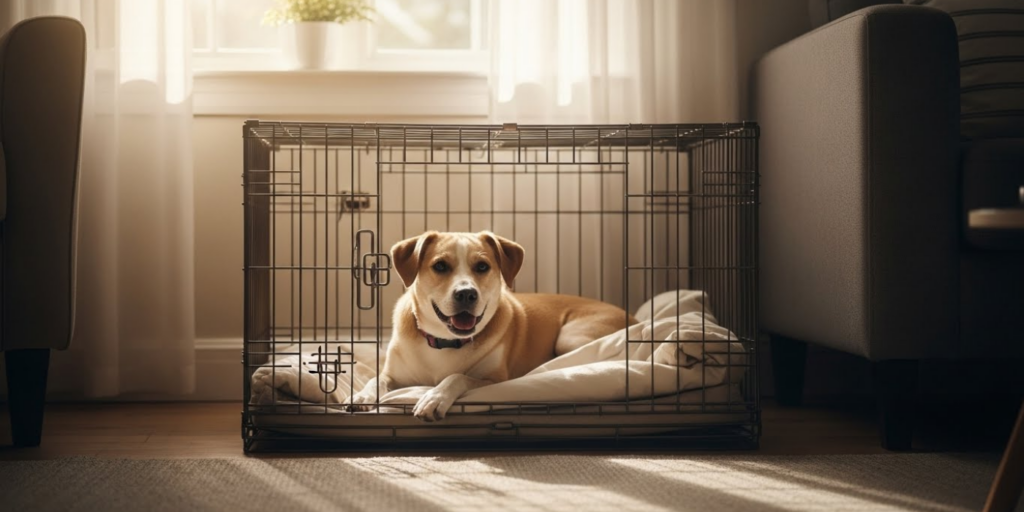
Imagine this: you come home after a long day, open the door—and instead of chaos, you’re greeted by a wagging tail, a calm demeanor, and a dog who’s happy, not frantic. Sounds ideal, right? For many pet parents, crate training is the secret behind that peaceful scene. Far from being a “dog jail,” a well-used crate can become your pup’s personal sanctuary—a cozy den where they feel safe, secure, and relaxed.
Whether you’ve just brought home a wriggly puppy or adopted an older dog adjusting to a new routine, crate training can be one of the most valuable tools in your pet care toolkit. It helps with housebreaking, prevents destructive chewing, eases travel anxiety, and even supports better sleep for both you and your dog. Yet, many owners hesitate, worried they’re being cruel or unsure how to start.
In this guide, we’ll walk you through everything you need to know to crate train your dog with patience, positivity, and success. You’ll learn how to choose the right crate, introduce it the right way, avoid common mistakes, and turn that metal or plastic box into your dog’s favorite spot in the house. Let’s give your pup the gift of comfort—and you the peace of mind you both deserve.
Why Crate Training Works (And Why It’s Not Cruel)
First things first: let’s clear up a big myth. When done correctly, crate training is not punishment—it’s instinct-based comfort. In the wild, canines seek out dens for safety, rest, and privacy. A crate mimics that natural environment, offering your dog a quiet retreat from the noise and stimulation of daily life.
Think of it like your bedroom. You wouldn’t call your bed a “prison”—it’s your personal space to recharge. For dogs, a crate can serve the same purpose. In fact, many crate-trained dogs will voluntarily go into their crate to nap, chew a toy, or simply relax during a thunderstorm or when guests arrive.
Moreover, crate training plays a crucial role in potty training. Dogs naturally avoid soiling their sleeping area. By using a properly sized crate (more on that soon), you harness this instinct to help your pup learn bladder and bowel control faster.
Veterinarians, trainers, and rescue organizations widely support crate training—not just for puppies, but for dogs of all ages. It’s especially helpful during vet visits, travel, or post-surgery recovery, when your dog needs to stay calm and contained.
The key? Never use the crate as punishment. If your dog associates it with scolding or isolation, they’ll resist it. Instead, make it a positive, inviting space—and you’ll be amazed at how quickly they embrace it.
Choosing the Right Crate: Size, Style, and Setup
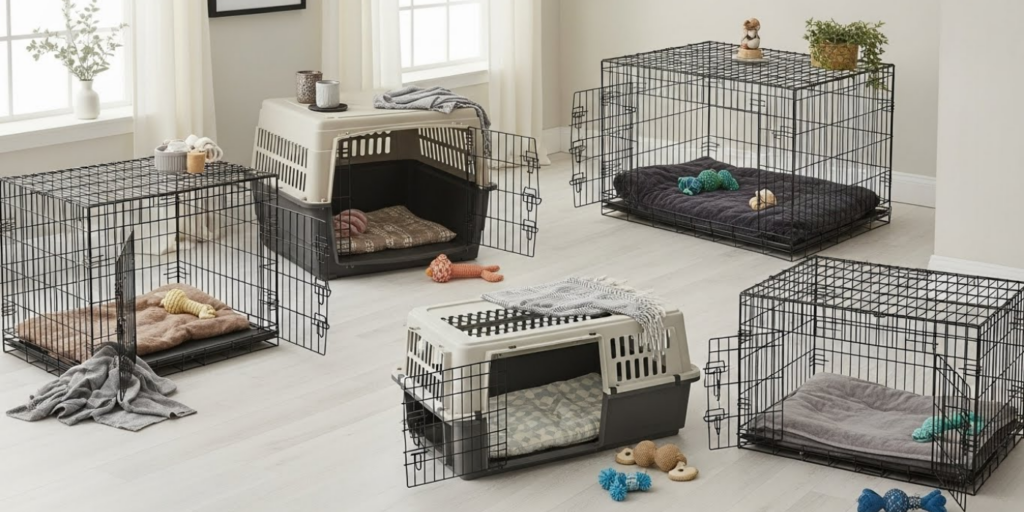
Not all crates are created equal, and picking the right one is your first step toward success. There are three main types: wire crates, plastic (airline-style) crates, and soft-sided crates. Each has pros and cons depending on your dog’s size, temperament, and lifestyle.
- Wire crates are well-ventilated, collapsible, and often come with dividers—perfect for growing puppies. Many dogs enjoy the open visibility, though more anxious pups may prefer more privacy.
- Plastic crates offer a den-like feel, excellent for noise-sensitive or nervous dogs. They’re also airline-approved, making them ideal for travel.
- Soft-sided crates are lightweight and portable but not suitable for chewers or strong escape artists.
Size matters—big time. Your crate should be large enough for your dog to stand up, turn around, and lie down comfortably—but not so big that they can use one end as a bathroom and the other as a bed. For puppies, use a divider panel to adjust the space as they grow. An oversized crate defeats the purpose of potty training.
Once you’ve picked your crate, location is key. Place it in a quiet but social area—like your bedroom or living room—not in a cold garage or isolated basement. Add a soft bed, a chew-safe toy, and maybe an old t-shirt with your scent to make it extra inviting.
Remember: the crate should feel like a safe haven, not a timeout corner.
Step-by-Step Crate Training: Patience, Positivity, and Progress
Now for the heart of it: how to actually train your dog to love their crate. The golden rule? Go slow and keep it positive.
Step 1: Make the crate irresistible.
Leave the door open and toss treats or a stuffed Kong inside. Let your dog explore at their own pace. Praise them every time they go near or inside—never force them.
Step 2: Build positive associations.
Feed meals near the crate, then gradually move the bowl inside. Once they’re comfortable eating in it, close the door while they dine—and open it the moment they finish. Keep sessions short and happy.
Step 3: Increase crate time gradually.
Start with 5–10 minutes while you’re home. Sit nearby, read a book, and ignore whining (as long as it’s not distress). Over days, extend the time and distance—eventually leaving the room while they’re inside.
Step 4: Practice short departures.
Put your dog in the crate, say a calm “see you soon,” and step outside for 30 seconds. Return before they panic. Slowly increase to minutes, then longer absences.
Step 5: Make crate time part of the routine.
Use it during naps, quiet time, or when you’re cooking dinner. The more normal it feels, the less anxiety it will cause.
Avoid these common mistakes:
- Letting your dog out when they’re whining (this rewards the behavior).
- Crating for too long (puppies shouldn’t exceed 1 hour per month of age; adults max at 4–6 hours).
- Skipping exercise—always give your dog a walk or play session before crating.
Consistency and calmness are your best allies. Most dogs adapt within a few weeks—if not days.
Troubleshooting Common Crate Training Challenges
Even with the best approach, bumps in the road are normal. Here’s how to handle them:
Problem: Whining or crying
If your dog whines, wait it out—unless they truly need a potty break (especially puppies under 6 months). If you let them out while vocalizing, they’ll learn that noise = freedom. Instead, wait for a moment of silence, then praise and open the door.
Problem: Refusing to enter the crate
Go back a step. Toss high-value treats (like chicken or cheese) inside and walk away. Let curiosity do the work. You can also play crate games—like “find the treat” or “crate is the best place.”
Problem: Destructive behavior inside the crate
This often signals anxiety or boredom. Ensure your dog is well-exercised before crating. Remove unsafe toys and consider a calming aid like a pheromone spray (Adaptil) or white noise. If chewing persists, consult a vet or behaviorist—your dog may have separation anxiety.
Problem: Accidents in the crate
This usually means the crate is too big, your dog was left too long, or they weren’t taken out beforehand. Stick to a schedule, and never scold for accidents—it creates fear.
Above all, stay patient. Every dog learns at their own pace. Your calm energy is contagious—if you’re stressed, they’ll pick up on it.
Beyond Training: How Crates Support a Lifetime of Well-Being

Crate training isn’t just for puppies—it’s a lifelong tool that enhances your dog’s quality of life. Consider these real-world benefits:
- Travel made easier: A crate-trained dog stays safe in the car or calm on a flight. Many hotels and Airbnbs even welcome crated pets.
- Emergency readiness: In storms, fires, or evacuations, a dog that’s comfortable in a crate is easier and safer to transport.
- Veterinary recovery: After surgery or illness, vets often recommend strict crate rest. A dog used to their crate will comply with less stress.
- Behavioral balance: For high-energy or overstimulated dogs, the crate offers a “reset button”—a place to decompress and avoid sensory overload.
One rescue dog owner shared how her anxious German Shepherd, who once trembled during fireworks, now retreats to his crate with his favorite blanket—and sleeps through the noise. That’s the power of a well-loved crate.
Moreover, crates help you set healthy boundaries. They prevent counter-surfing, trash raids, and furniture chewing when you can’t supervise—keeping your dog safe and your home intact.
In short, a crate isn’t a luxury—it’s a cornerstone of responsible dog ownership.
Conclusion
Crate training, when approached with kindness and consistency, can transform your dog’s daily life—and yours. It’s not about confinement; it’s about creating a safe, comforting space where your dog can relax, recharge, and thrive. From faster housebreaking to stress-free travel and emergency preparedness, the benefits ripple far beyond the first few weeks of training.
We’ve covered why crates work, how to choose the right one, a step-by-step training plan, solutions for common hurdles, and the long-term perks that make crate training a gift that keeps on giving. Now, it’s your turn to put these tips into practice—with patience, positive reinforcement, and plenty of praise.
Remember: your dog isn’t resisting the crate because they’re “stubborn”—they’re communicating. Meet them with empathy, and you’ll build trust that lasts a lifetime.
So, what’s your next step? Will you set up a cozy crate tonight? Try a new treat game? We’d love to hear about your crate training journey! Share your questions, wins, or even funny crate moments in the comments below. And if this guide helped you, pass it along to a fellow dog parent who could use a little peace—and a happy, calm pup—at home.

Mary Brown is a devoted pet enthusiast with a lifelong passion for animals of all kinds. From volunteering at local shelters to creating cozy, enriching spaces for her own furry family, she believes that every pet deserves love, comfort, and attentive care. With years of hands-on experience and a heart full of empathy, Mary shares practical tips and heartfelt insights to help fellow pet parents nurture happier, healthier lives for their companions.