Introduction
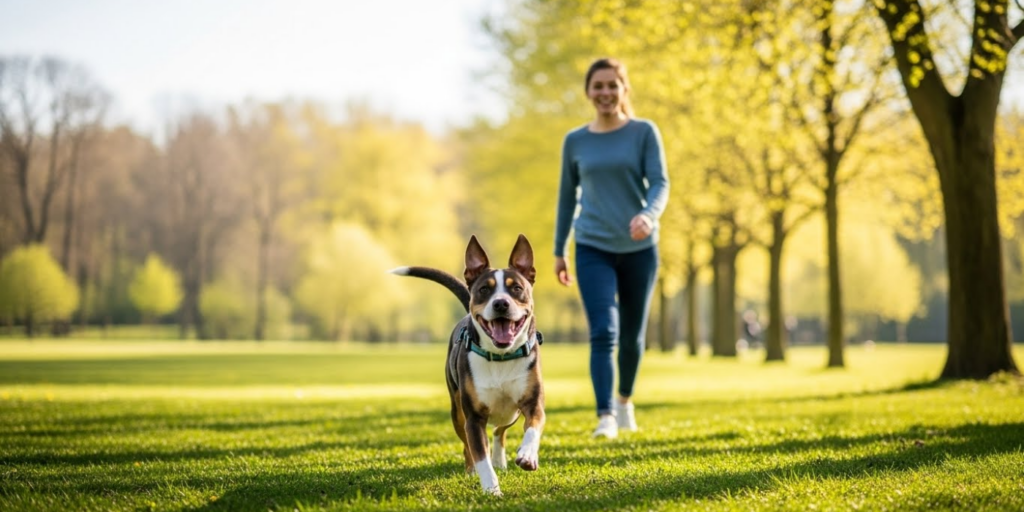
Picture this: you’re at the park, enjoying a sunny afternoon, when your dog suddenly takes off—chasing a squirrel, racing toward another dog, or just reveling in the thrill of open space. Your heart drops. You call their name. Nothing. They’re gone, at least for a few terrifying seconds. Sound familiar?
A reliable outdoor recall—getting your dog to come back to you the moment you call—is more than just a neat trick. It’s a critical safety skill that can prevent accidents, injuries, or even worse. Yet, for many dog owners, achieving consistent recall in distracting environments feels like an impossible dream.
The good news? With the right approach, patience, and a few proven techniques, any dog can learn a solid recall, even off-leash in the great outdoors. In this article, we’ll break down exactly how to build and strengthen your dog’s recall response step by step. You’ll learn why standard commands often fail outside, how to make yourself more exciting than squirrels, and practical drills you can start using today. By the end, you’ll have a clear, actionable plan to turn “Fido, come!” from a desperate plea into a joyful habit.
Why Recall Fails Outdoors (And What to Do About It)
Let’s face it: your dog might come running when called in the living room—but the moment you step outside, all bets are off. Why?
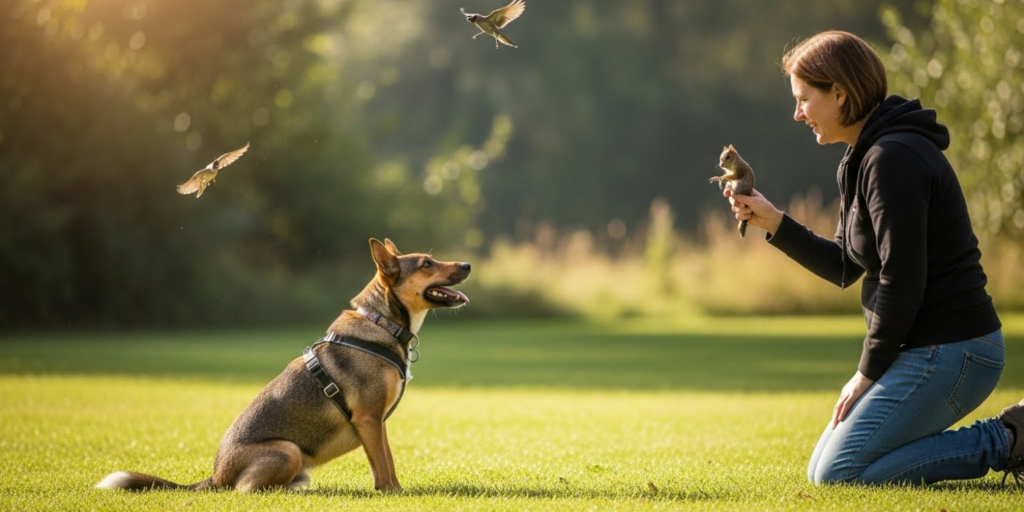
The simple answer is distraction. Indoors, your dog’s world is controlled and quiet. Outdoors, it’s full of smells, sounds, movement, and endless temptations. To your dog, a passing bird might be infinitely more interesting than you standing 50 feet away saying “come.”
But it’s not just about distractions. Many owners unintentionally weaken the recall command by using it inconsistently. For example:
- Calling your dog to end playtime (so “come” = punishment)
- Repeating the command multiple times without follow-through
- Using the same word for casual chatting (“Come here, buddy… oh, never mind”)
Over time, your dog learns that “come” is optional—or even something to avoid.
The fix? Treat recall like a sacred promise. Only use your recall word when you’re confident you can reinforce it. And never call your dog to do something they dislike (like getting in the car or taking a bath). Instead, always pair recall with something positive: treats, play, praise, or freedom.
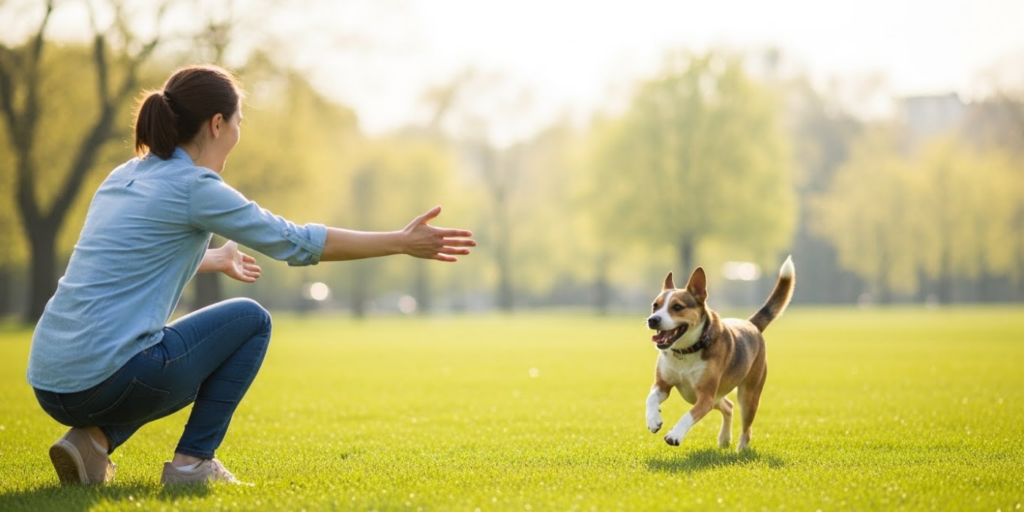
Start indoors or in a low-distraction yard. Use a happy, upbeat tone. When your dog comes, celebrate like they just won the lottery. This builds a powerful emotional association: Coming to you = best thing ever.
Choose the Right Recall Cue (And Stick to It)
Believe it or not, the word you choose matters less than how you use it—but picking a dedicated recall cue makes training clearer.
Many people use “come,” but that word often gets thrown around casually (“Come on, we’re leaving!”). Instead, consider a unique, high-energy word or phrase that you only use for emergency or intentional recall. Popular options include:
- “Here!”
- “Front!”
- “This way!”
- Your dog’s name + a cue (“Buddy, touch!”)
The key is consistency and exclusivity. If you use “come” for everything, your dog won’t recognize when it’s serious. But if you reserve “Rocket!” for true recall moments—and always reward it generously—your dog will learn to respond instantly.
Pro tip: Say the cue once, in a cheerful tone. If your dog doesn’t respond within 2–3 seconds, don’t repeat it. Instead, go get them (calmly), reset, and try again with less distraction or closer distance. Repeating the cue teaches your dog they can ignore it.
Build Recall Step by Step—From Backyard to Trail
Great recall isn’t built in a day. It’s a progressive skill that requires structured practice. Here’s a simple training ladder you can follow:
Stage 1: Inside the House
Start in a quiet room with zero distractions. Call your dog using your chosen cue. When they come, reward with high-value treats (think chicken, cheese, or hot dogs—not kibble). Repeat 5–10 times per session, multiple times a day.
Stage 2: Fenced Backyard or Quiet Yard
Once your dog responds reliably indoors, move outside—but stay close (within 10 feet). Toss the treat behind you as your dog arrives, so they learn to stop at your feet, not barrel into you.
Stage 3: Mild Distractions
Add light challenges: toss a toy nearby, have a family member stand quietly, or practice after your dog has been sniffing. Keep sessions short and successful.
Stage 4: On-Leash in Public Spaces
Use a long training leash (15–30 feet) in a park. Let your dog explore, then call them. If they hesitate, gently guide them with the leash—but still reward when they reach you. The leash isn’t for yanking; it’s insurance.
Stage 5: Off-Leash in Safe Areas
Only attempt this in a fully enclosed space (like a dog park with double gates or a private field). Begin at close range, gradually increasing distance as reliability improves.
Remember: If your dog fails, you’ve moved too fast. Go back a step. Success builds confidence—for both of you.
Make Yourself the Most Exciting Thing in the World
Let’s be honest: to your dog, a rabbit darting through the bushes might seem like the ultimate prize. So how do you compete?
By becoming unpredictably fun.
Dogs are motivated by what’s most rewarding in the moment. If coming to you always leads to the same dry biscuit, they’ll choose the squirrel. But if coming to you could mean:
- A hidden stash of chicken bits
- A sudden game of tug-of-war
- A joyful chase you initiate (“Catch me if you can!”)
- Access to something they love (like getting to keep playing)
…then you become irresistible.
Try the “Recall Game”: During walks, randomly call your dog, reward enthusiastically, then release them back to explore (“Okay, go!”). This teaches them that recall doesn’t mean the fun ends—it’s just a quick check-in before more freedom.
Also, vary your rewards. Sometimes it’s treats, sometimes it’s play, sometimes it’s running in the opposite direction to trigger their chase instinct. Keep them guessing—and eager to respond.
Troubleshooting Common Recall Challenges
Even with great training, setbacks happen. Here’s how to handle three frequent issues:
1. “My dog comes… but slowly.”
This often means they’ve learned that stalling still gets a reward. Solution: Only reward prompt responses. If they dawdle, cheerfully go get them, reset, and try again at a shorter distance. Over time, speed improves.
2. “They ignore me completely when distracted.”
You’re likely asking for too much too soon. Go back to lower-distraction environments and rebuild the behavior. Use a long leash for safety while retraining.
3. “They come once, then take off again.”
This is often because the reward isn’t compelling enough—or the environment is too stimulating. Always follow recall with a high-value reward, and consider using a “collar grab” as part of the routine (gently touch their collar before giving the treat). This builds comfort with being handled and prevents darting away.
Patience is key. Every dog learns at their own pace. Celebrate small wins.
Safety First: When (and How) to Use Emergency Recall
Even the best-trained dogs can bolt in extreme situations—a loud noise, a deer sprinting by, or sudden fear. That’s why every dog owner should establish an emergency recall.
This is a distinct, ultra-high-value cue (e.g., “Daisy, HERE!” in a specific tone) paired with an irresistible reward—something they only get in emergencies. Think freeze-dried liver, squeaky toys, or a sudden game of chase.
Practice this monthly in safe settings so it stays sharp. And never use it unless you’re 95% sure it will work—its power lies in its rarity and reliability.
Also, always carry backup safety tools: a long leash, a whistle (some dogs respond better to sound than voice), or a GPS tracker for peace of mind.
The Bigger Picture: Trust, Freedom, and Connection
Teaching recall isn’t just about obedience—it’s about building trust. When your dog knows that coming to you leads to joy, safety, and more freedom, they choose to stay connected with you, even in a world full of temptations.
This bond deepens your relationship and expands your dog’s world. With reliable recall, you can hike off-leash on legal trails, enjoy open fields, and give your dog the mental and physical enrichment they crave—safely.
More than that, it gives you peace of mind. No more white-knuckle moments at the dog park. No more shouting into the woods. Just confidence, connection, and shared adventure.
Conclusion
A strong outdoor recall is one of the most valuable gifts you can give your dog—and yourself. It’s not about control; it’s about communication, trust, and mutual respect. By using the right cue, training progressively, making yourself irresistibly rewarding, and handling setbacks with patience, you can transform your dog’s recall from unreliable to rock-solid.
Remember: this is a journey, not a quick fix. Celebrate progress, stay consistent, and never punish your dog for coming—even if it took them forever. Every return is a chance to reinforce the behavior.
So, what’s your next step? Pick one technique from this article and try it on your next walk. Start small, stay positive, and watch your dog’s responsiveness grow.
We’d love to hear from you! What recall challenges have you faced? Did a particular trick finally work for your pup? Share your story in the comments below—and if this guide helped you, pass it on to a fellow dog lover who’s dreaming of off-leash freedom. Happy training!

Mary Brown is a devoted pet enthusiast with a lifelong passion for animals of all kinds. From volunteering at local shelters to creating cozy, enriching spaces for her own furry family, she believes that every pet deserves love, comfort, and attentive care. With years of hands-on experience and a heart full of empathy, Mary shares practical tips and heartfelt insights to help fellow pet parents nurture happier, healthier lives for their companions.