Introduction
Picture this: you’ve just lured your dog into the bathtub with treats, armed with shampoo and a hopeful smile—only for them to slip, shake, and bolt the moment water touches their paws. Sound familiar?
Bathing your dog at home doesn’t have to feel like wrestling a greased seal or surviving a splash zone at a water park. In fact, with the right approach, it can become a calm, even bonding experience for both of you. Not only does regular bathing keep your dog’s skin and coat healthy, but it also reduces shedding, odor, and the risk of skin infections—especially for dogs with allergies or sensitive skin.
Yet many pet parents either dread bath time or avoid it altogether, opting for expensive (and sometimes stressful) professional grooming. The good news? You can create a spa-like, low-stress routine right in your own bathroom or backyard.
In this guide, we’ll walk you through everything you need to know to bathe your dog at home—safely, gently, and effectively. From choosing the right products and preparing your space to using calming techniques and drying like a pro, you’ll learn practical, vet-approved tips that turn bath time from chaotic to calming. Let’s make your dog’s next bath not just bearable—but enjoyable.
Step 1: Set the Stage for Success (Before the Water Even Runs)
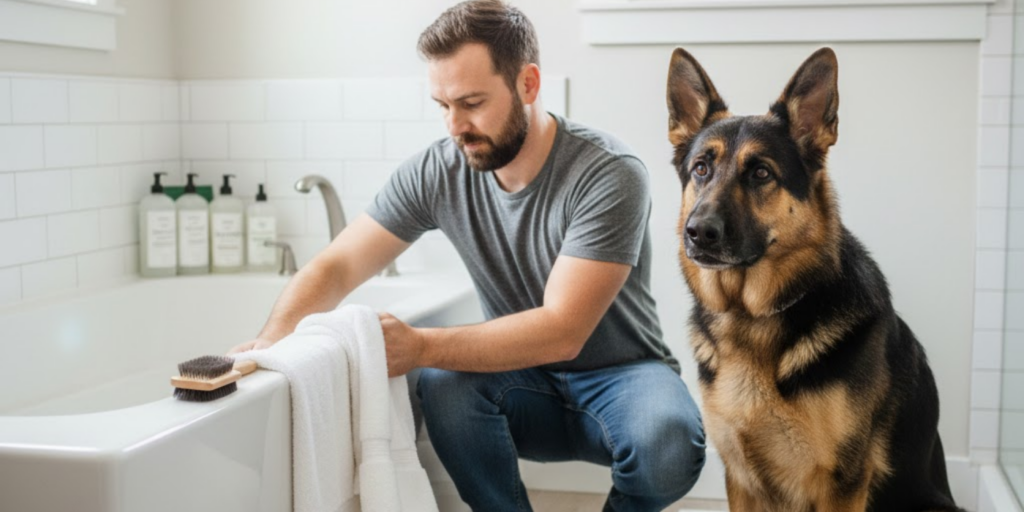
The secret to a stress-free bath begins long before the shampoo comes out. Preparation is everything—and it starts with creating a safe, comfortable environment.
First, choose the right location. For small dogs, a kitchen sink or bathtub with a non-slip mat works well. Larger dogs may do better in a shower stall or even outdoors (weather permitting). Just avoid slippery surfaces—nothing spikes anxiety like feeling unsteady on wet tile.
Next, gather your supplies ahead of time:
- Dog-specific shampoo (never use human shampoo—it disrupts your dog’s skin pH)
- Towels (at least two—more for long-haired breeds)
- A washcloth for the face
- A pitcher or handheld showerhead with lukewarm water
- Treats for positive reinforcement
- Cotton balls (to gently place in ears and keep water out)
Pro tip: Run a “dry rehearsal” before bath day. Let your dog explore the tub with treats, play near it, or even stand in it while dry. This builds positive associations without pressure.
Also, brush your dog thoroughly before bathing. Mats and tangles tighten when wet, making them painful to remove later. A good brushing removes loose fur, dirt, and dander—making the bath more effective and less irritating for your pup.
Think of this like prepping a kitchen before cooking: when everything’s in place, the process flows smoothly, with far less mess (and panic).
Step 2: Use the Right Products—and Avoid Common Mistakes
Not all shampoos are created equal. Using the wrong product can cause dryness, itching, or even allergic reactions—leading your dog to associate baths with discomfort.
Always use a gentle, pH-balanced shampoo formulated for dogs. If your dog has specific needs—like dry skin, allergies, or a yeast-prone coat—look for vet-recommended formulas with ingredients like oatmeal, aloe vera, or chlorhexidine. Avoid heavily fragranced or “deep-cleaning” human shampoos; they’re too harsh for canine skin.
How often should you bathe your dog? Most healthy dogs only need a bath every 4–8 weeks. Over-bathing strips natural oils, leading to flaky skin and increased odor—yes, ironically, too many baths can make your dog smell worse.
Another common mistake? Getting water or shampoo in your dog’s eyes, ears, or mouth. Use a damp washcloth to clean their face instead of pouring water over their head. And always rinse thoroughly—leftover shampoo is a top cause of post-bath itching and licking.
Real-world example: Max, a Golden Retriever, used to scratch nonstop after baths—until his owner switched from a generic pet store shampoo to a hypoallergenic oatmeal formula and rinsed for a full two minutes longer. The difference was night and day.
Your goal isn’t just cleanliness—it’s comfort. And the right products are half the battle.
Step 3: Make the Experience Calm, Not Chaotic
Even with perfect prep, bath time can go sideways if your dog is anxious. The key is to stay calm yourself—dogs pick up on your energy. If you’re tense, they’ll be tense.
Start by speaking in a soft, reassuring voice. Use treats liberally—not just after, but during the bath. Toss one when they stand still, another when water hits their back. This builds a positive feedback loop: “Water = good things happen.”
Use lukewarm water only—too hot or too cold can shock or scare your dog. Test it on your wrist like you would for a baby.
When washing, begin at the neck and work down to the tail, saving the legs and paws for last (many dogs are sensitive there). Avoid vigorous scrubbing; gentle massage feels better and helps relax tense muscles.
For nervous dogs, try the “three-second rule”: touch a new area (like a paw), count to three, then reward. Gradually increase contact time over several baths. This desensitization technique works wonders for pups who hate having their feet touched.
Bonus tip: Play soft music or keep a familiar blanket nearby to muffle echoey bathroom sounds, which can amplify anxiety.
Remember, this isn’t a race. Take your time. If your dog shuts down or tries to escape, pause and regroup. Better to end on a positive note and try again tomorrow than force through a traumatic session.
Step 4: Master the Art of Drying (Without the Drama)
Believe it or not, many dogs find the drying phase more stressful than the bath itself—especially the noise of a blow dryer or the chill of a wet coat.
Start by squeezing excess water from the coat with your hands, then wrap your dog in a highly absorbent towel (microfiber works great). Let them air-dry partially while you calmly towel-dry in sections.
For short-haired dogs, thorough towel drying is often enough. But long- or double-coated breeds (like Huskies, Shih Tzus, or Poodles) need more attention to prevent skin irritation or mildew.
If you use a blow dryer:
- Use the lowest heat and speed setting
- Keep it at least 12 inches from your dog’s skin
- Move it constantly—never hold it in one spot
- Introduce it gradually over several days (turn it on while giving treats, even when your dog is dry)
Some pet parents find quiet, pet-specific dryers (like the MetroVac or K-9 III) worth the investment—they’re quieter and more powerful than human hair dryers.
And never skip brushing during or after drying! A slicker brush or wide-tooth comb prevents mats and distributes natural oils, leaving the coat shiny and tangle-free.
Fun fact: A properly dried dog is less likely to roll in the grass or on your clean couch afterward—because they don’t feel “sticky” or uncomfortable!
Bonus: Special Considerations for Puppies, Seniors, and Anxious Dogs
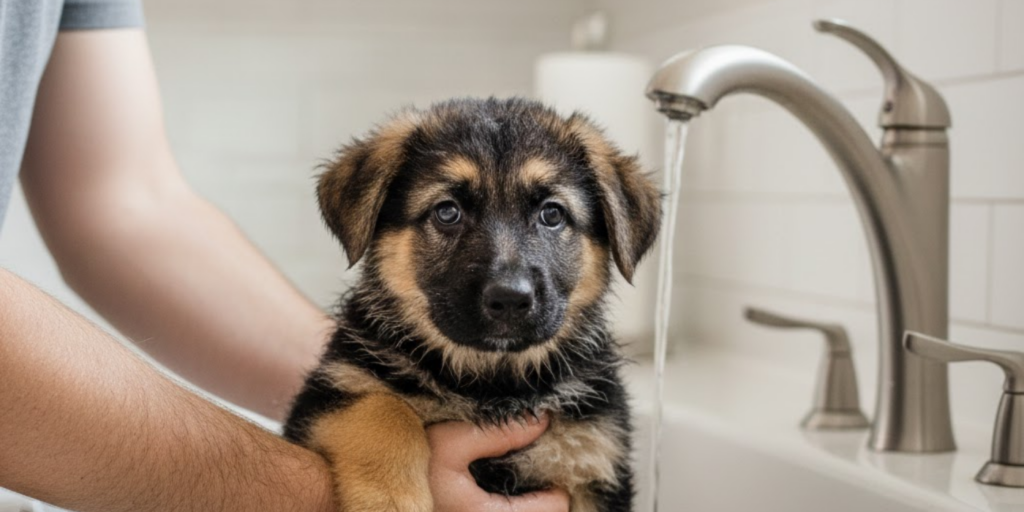
Not all dogs approach bath time with the same level of tolerance. Tailoring your method to your dog’s age, temperament, and history makes a huge difference.
Puppies: Keep baths short, sweet, and playful. Use toys (like a floating rubber duck) and lots of praise. Early positive experiences shape lifelong attitudes—so don’t wait until they’re dirty to introduce water.
Senior dogs: Arthritic or mobility-impaired dogs may struggle to stand in a tub. Consider a non-slip mat, a low-entry basin, or even waterless shampoos for spot cleaning. Be extra gentle around joints and sensitive skin.
Anxious or rescue dogs: These dogs may have trauma around water or handling. Go slower. Use high-value treats (boiled chicken, cheese). Consider wrapping them in a “thundershirt”-style garment for calming pressure during the bath. And if needed, consult a certified fear-free trainer for support.
Above all, never punish a dog for being scared. Your patience builds trust—and trust makes every future bath easier.
Conclusion
Bathing your dog at home doesn’t have to be a battle. With thoughtful preparation, the right products, a calm demeanor, and a focus on your dog’s comfort, you can turn bath time into a moment of care—not chaos.
We’ve covered how to prep your space and your pup, choose safe and effective shampoos, keep your dog calm during washing, dry thoroughly without stress, and adapt your approach for puppies, seniors, or nervous dogs. The common thread? Respect your dog’s experience. When they feel safe, understood, and rewarded, they’re far more likely to cooperate—and even relax.
So next time bath day rolls around, take a deep breath, gather your supplies, and remember: this isn’t just about cleanliness. It’s about connection.
Now we’d love to hear from you!
What’s your dog’s biggest bath-time challenge—and which tip will you try first? Share your story or questions in the comments below. If this guide helped you, share it with a fellow dog parent who’s still mopping up after a bath-time escape! Here’s to cleaner pups, calmer homes, and fewer wet floors. Happy bathing!

Mary Brown is a devoted pet enthusiast with a lifelong passion for animals of all kinds. From volunteering at local shelters to creating cozy, enriching spaces for her own furry family, she believes that every pet deserves love, comfort, and attentive care. With years of hands-on experience and a heart full of empathy, Mary shares practical tips and heartfelt insights to help fellow pet parents nurture happier, healthier lives for their companions.