Introduction
You’ve just finished brushing your dog—only to find clumps of matted fur stuck in the brush, or worse, your pup flinching in pain. Maybe you tried trimming their nails at home and accidentally hit the quick, leaving both of you stressed. If this sounds familiar, you’re not alone. Many loving dog owners unknowingly make grooming mistakes that can cause discomfort, stress, or even long-term health issues for their pets.
Grooming isn’t just about keeping your dog looking cute—it’s a vital part of their overall well-being. Proper grooming helps prevent skin infections, detects early signs of illness, and strengthens the bond between you and your dog. Yet, well-meaning owners often fall into common traps, from using human shampoo to skipping regular brushing altogether.
In this article, we’ll walk you through the top grooming mistakes dog owners should avoid, explain why they’re harmful, and—most importantly—offer simple, practical solutions. Whether you groom your dog at home or rely on professionals, these insights will help you keep your furry friend healthy, comfortable, and happy. Let’s turn grooming from a chore into a caring ritual your dog actually enjoys.
Mistake #1: Skipping Regular Brushing

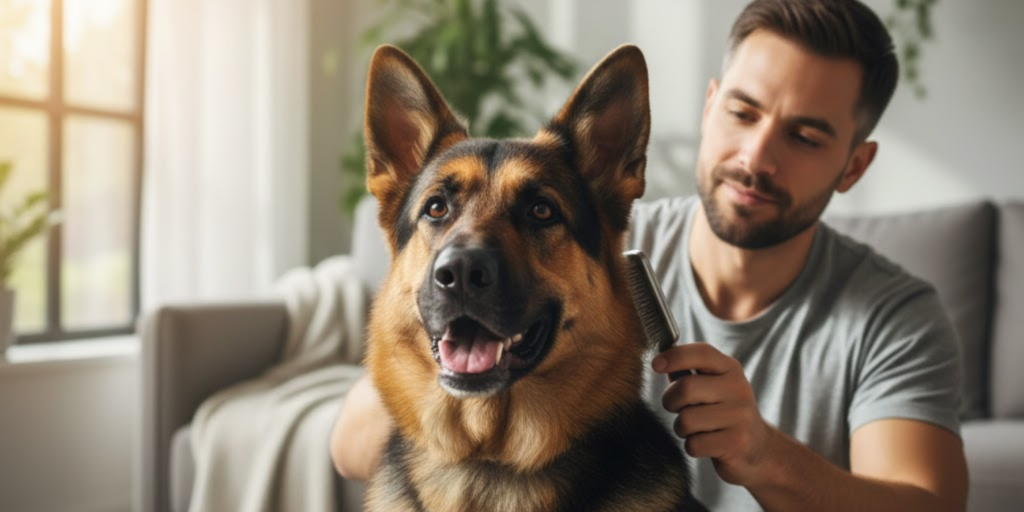
One of the most common—and damaging—grooming oversights is neglecting regular brushing. Many owners assume short-haired dogs don’t need it, or they only brush when they see tangles. But all dogs benefit from consistent brushing, regardless of coat length or type.
Without regular brushing, dead hair builds up, leading to painful mats—especially behind the ears, under the legs, and around the tail. Mats trap moisture, dirt, and bacteria against the skin, which can cause hot spots, rashes, or even open sores. In severe cases, shaving may be required, which can be traumatic for your dog and expensive for you.
What to do instead:
- Short-haired dogs: Brush once or twice a week with a rubber grooming mitt or bristle brush.
- Double-coated breeds (like Huskies or Golden Retrievers): Use an undercoat rake during shedding season—never shave them, as their coat protects against both heat and cold.
- Curly or long-haired dogs (like Poodles or Shih Tzus): Daily brushing with a slicker brush and metal comb prevents tangles.
Make it a bonding moment: offer treats, speak softly, and start with less sensitive areas. Over time, your dog will learn to associate brushing with care—not discomfort.
Mistake #2: Using Human Shampoo or Soap
It’s tempting to grab your own shampoo when it’s bath time—after all, it’s clean, right? But human shampoos are formulated for a different pH level than a dog’s skin. Using them can strip natural oils, cause dryness, itching, and even lead to chronic skin conditions.
Dogs have a more neutral skin pH (around 7.0), while human skin is more acidic (around 5.5). Human products disrupt this delicate balance, leaving your dog vulnerable to irritation and infection. Even “gentle” baby shampoos aren’t ideal for regular use.
Better approach: Always use a dog-specific, hypoallergenic shampoo. Look for products with natural ingredients like oatmeal, aloe vera, or chamomile—especially if your dog has sensitive skin. Avoid heavily fragranced or medicated shampoos unless recommended by your vet.
Also, don’t over-bathe. Most dogs only need a bath every 4–8 weeks. Over-bathing dries out their skin just as much as using the wrong product. Between baths, use waterless sprays or wipes for quick cleanups.
Mistake #3: Cutting Nails Too Short or Ignoring Them Altogether
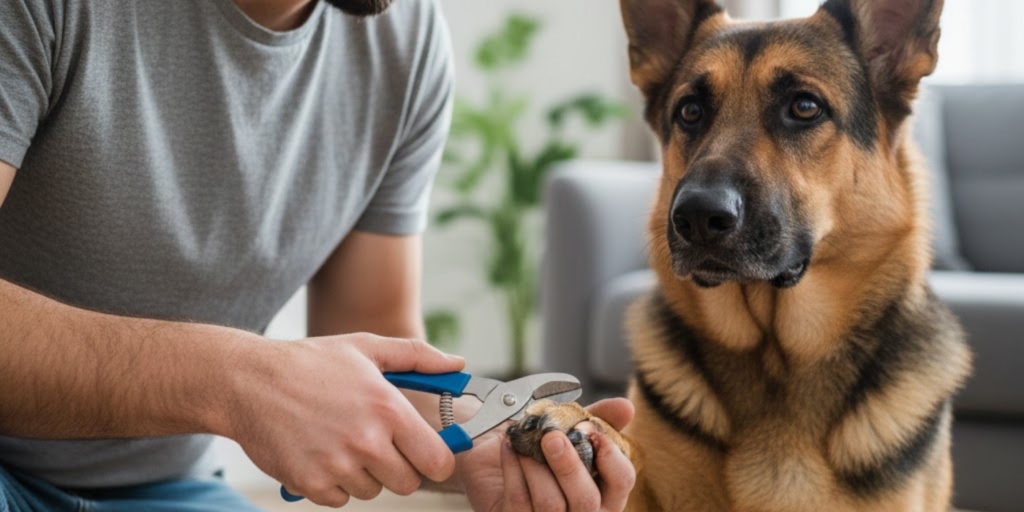
Few things make dog owners more nervous than nail trims—and for good reason. Accidentally cutting into the “quick” (the pink, blood-rich area inside the nail) is painful and can cause bleeding. But leaving nails too long is equally harmful.
Overgrown nails can:
- Alter your dog’s gait, leading to joint stress or arthritis
- Curl into the paw pad, causing infection
- Split or break during play, resulting in emergency vet visits
Many dogs with long nails also develop splayed feet or reduced traction on hard surfaces.
How to get it right:
- Know your dog’s nail anatomy: In light-colored nails, the quick is visible as a pink core. In black nails, trim just the curved tip.
- Use sharp, high-quality clippers (guillotine or scissor-style—choose what you’re comfortable with).
- Go slow: Trim a little at a time. If you see a grayish or black dot in the center of the nail, stop—you’re near the quick.
- Have styptic powder on hand to stop bleeding if you nick the quick.
- Reward your dog with treats and praise throughout the process.
If you’re too anxious, consider a Dremel tool (a gentle grinder) or schedule professional trims every 3–4 weeks. With patience, most dogs learn to tolerate nail care.
Mistake #4: Neglecting Ear and Dental Care
Grooming isn’t just about fur and nails—it includes ears and teeth, too. Yet many owners overlook these areas until a problem arises.
Ear infections are among the top reasons dogs visit the vet. Breeds with floppy ears (like Cocker Spaniels or Basset Hounds) or hairy ear canals (like Poodles) are especially prone. Signs include head shaking, odor, redness, or discharge.
Dental disease affects over 80% of dogs by age 3. Bad breath isn’t “normal”—it’s often the first sign of plaque buildup, gum inflammation, or tooth decay.
Preventive steps:
- Ears: Check weekly. Clean gently with a vet-approved ear cleaner and cotton ball—never use cotton swabs, as they can push debris deeper.
- Teeth: Brush daily with a dog toothbrush and enzymatic toothpaste (never human toothpaste—it’s toxic). Dental chews and water additives can help, but aren’t substitutes for brushing.
Early prevention saves your dog from pain—and you from costly treatments.
Mistake #5: Rushing or Forcing Grooming Sessions
Grooming should never feel like a battle. Yet many owners try to “get it over with” quickly, holding their dog down or scolding them for squirming. This only creates fear, anxiety, and long-term resistance.
Imagine if someone forced you into a shower while yelling—would you cooperate next time? Dogs react the same way.
Build trust instead:
- Start grooming young, but go slowly.
- Keep sessions short (5–10 minutes) and positive.
- Use high-value treats and calm praise.
- Stop if your dog shows stress signs (lip licking, yawning, trying to escape).
- Desensitize them to tools by letting them sniff brushes or clippers first.
Over time, your dog will learn that grooming = good things. Some even fall asleep during brushing!
Mistake #6: Ignoring Professional Help When Needed
While at-home care is essential, some grooming tasks are best left to professionals—especially for certain breeds or conditions.
Trying to shave a severely matted Poodle or trim the sanitary area of a long-haired dog without experience can lead to cuts, skin irritation, or incomplete cleaning. Similarly, expressing anal glands at home is risky and unnecessary for most dogs.
When to call a pro:
- Heavy matting that can’t be brushed out
- Breeds requiring breed-specific cuts (e.g., Bichons, Schnauzers)
- Dogs with anxiety that makes home grooming unsafe
- First-time grooming for puppies (a pro can set a positive tone)
Choose a groomer who is patient, certified (look for NDGAA or IPG credentials), and willing to explain their process. A good groomer partners with you—not just “does a job.”
Turning Mistakes into Opportunities
Every grooming misstep is a chance to learn. Take Maya, a rescue Shih Tzu whose previous owners never brushed her. Her coat was one giant mat. Her new owner, terrified of hurting her, almost gave up—until she found a gentle groomer and started daily 2-minute brushing sessions with chicken treats. Within a month, Maya relaxed—and now wags her tail when the brush comes out.
Stories like this remind us: grooming is an act of love. When done with care, it’s not just about appearance—it’s about health, trust, and connection.
Conclusion
Grooming your dog is one of the most meaningful ways to care for them—but it’s easy to fall into habits that do more harm than good. From skipping brushing and using human products to rushing sessions or ignoring ears and teeth, these common mistakes can affect your dog’s comfort and long-term health.
The good news? With awareness and small adjustments, you can transform grooming into a positive, even enjoyable experience for both of you. Remember: consistency, the right tools, and patience go a long way. And when in doubt, don’t hesitate to seek professional guidance.
Your dog depends on you not just for food and shelter, but for gentle, informed care that keeps them feeling their best. So next time you pick up that brush or nail clipper, take a deep breath, slow down, and think of it as quality time—not a chore.
We’d love to hear from you: What grooming challenge has surprised you the most? Have you overcome a tough habit with your dog? Share your story in the comments below—and if this guide helped, pass it on to a fellow dog parent! Together, we can raise happier, healthier pups, one brushstroke at a time.

Mary Brown is a devoted pet enthusiast with a lifelong passion for animals of all kinds. From volunteering at local shelters to creating cozy, enriching spaces for her own furry family, she believes that every pet deserves love, comfort, and attentive care. With years of hands-on experience and a heart full of empathy, Mary shares practical tips and heartfelt insights to help fellow pet parents nurture happier, healthier lives for their companions.