
Introduction
If dogs had a popularity contest in the United States, the Labrador Retriever wouldn’t just win—they’d have held the trophy for over 30 years straight. That’s right: since 1991, Labs have reigned as America’s most beloved dog breed, according to the American Kennel Club (AKC). And it’s easy to see why. With their soulful eyes, wagging otter tails, and boundless enthusiasm for life (and treats), Labs seem tailor-made for friendship.
But there’s far more to this cheerful breed than meets the eye. Behind that perpetually grinning face lies a rich history, surprising talents, and quirks that even longtime owners might not know. Did you know Labs were originally bred as fishing dogs in Canada? Or that they come in a rare silver coat color that’s sparked decades of debate among breeders?
In this article, we’ll dive into the fascinating world of the Labrador Retriever—exploring their origins, intelligence, coat colors, working roles, and the little-known habits that make them so endearing (and sometimes a bit mischievous!). Whether you’re a proud Lab parent, considering adoption, or simply a dog lover, you’ll walk away with a deeper appreciation for this iconic breed.
So grab a tennis ball (you’ll need it), and let’s uncover the joyful, tail-wagging truth about Labradors.
From Newfoundland Fisherman’s Helper to Global Favorite
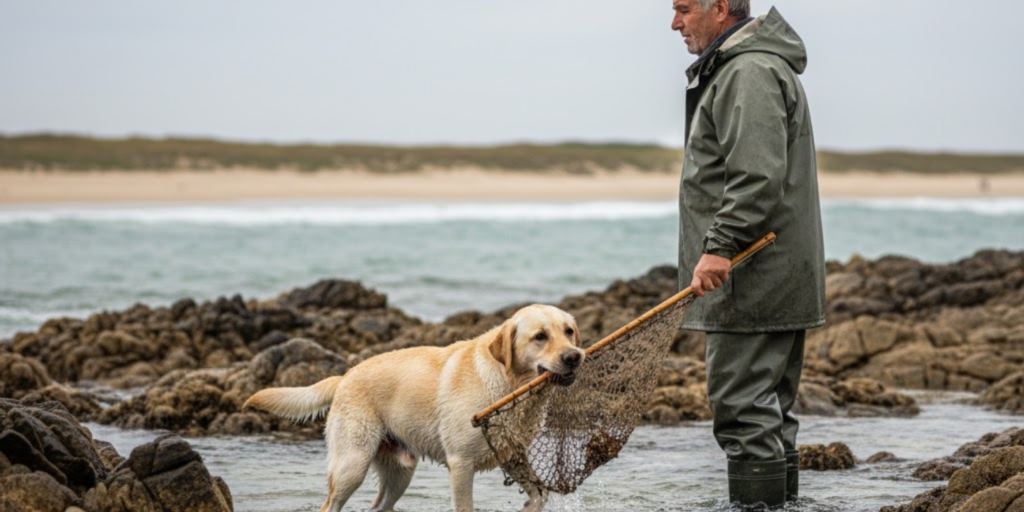
Long before Labs became suburban family staples, they were hardworking companions on the rugged coasts of Newfoundland, Canada—not Labrador, as their name suggests. In the 1800s, local fishermen relied on small, water-loving dogs called “St. John’s Dogs” to help retrieve nets, pull ropes, and fetch fish that escaped hooks.
These early ancestors of the modern Lab were strong swimmers with water-resistant coats and webbed feet—perfect adaptations for icy Atlantic waters. British nobles visiting Newfoundland in the 19th century were so impressed that they brought some of these dogs back to England, where breeders refined them into the Labrador Retriever we know today.
Interestingly, the name “Labrador” was likely adopted to distinguish them from the Newfoundland dog—a much larger breed also from the same region. So, despite the name, Labs are Canadian by birth and British by refinement!
Fun twist: The original St. John’s Dog is now extinct, making the Labrador one of the last living links to this historic working dog line.
This working heritage explains why modern Labs love water, carry objects in their mouths, and thrive when given a job to do—whether it’s fetching slippers or competing in agility trials.
More Than Just Friendly: The Labrador’s Remarkable Intelligence
Sure, Labs are known for their sweet temperament—but their intelligence is equally impressive. Ranked #7 on Dr. Stanley Coren’s list of the smartest dog breeds, Labradors can learn new commands in fewer than five repetitions and obey known commands 95% of the time.
This sharp mind, combined with their eagerness to please, makes them ideal candidates for service, therapy, and detection work. In fact, Labs are the most commonly trained breed for:
- Guide dogs for the blind
- Diabetic alert dogs (they can smell blood sugar changes)
- Search-and-rescue teams
- Explosives and narcotics detection (U.S. Customs and TSA rely heavily on them)
But their intelligence also means they need mental stimulation. A bored Lab might redecorate your living room by shredding couch cushions or digging holes in the backyard. The solution? Puzzle toys, obedience training, or even simple games like “find the treat” under cups.
Real-life example: Endal, a British Labrador, was named “Dog of the Millennium” after saving his disabled owner’s life multiple times—once dragging him into the recovery position, covering him with a blanket, and even using an ATM card to call for help!
Labs aren’t just smart—they’re thoughtful. And that’s what makes them such extraordinary partners.
The Truth About Labrador Coat Colors (Including the Controversial Silver)

Most people know Labs come in three classic colors: black, yellow, and chocolate. But did you know yellow Labs can range from fox-red to almost white? And that “chocolate” includes everything from light mocha to deep espresso?
What many don’t realize is that all coat colors are determined by just two genes: one for black vs. brown (B locus), and one that “hides” the base color to produce yellow (E locus). A black Lab (BB or Bb) can carry the chocolate gene and produce chocolate puppies if bred to another carrier.
Then there’s the silver Lab—a pale, metallic gray that’s caused a stir in the dog world. Purists argue silver Labs aren’t purebred, suspecting a Weimaraner cross in their past. Genetic testing, however, shows the silver color likely comes from a dilution gene (dd) already present in the breed—though the AKC doesn’t recognize it as a standard color.
Important note: Color doesn’t affect temperament—but it can affect health. Chocolate Labs, for instance, have been shown in studies to have shorter lifespans and higher rates of ear and skin infections than black or yellow Labs.
Regardless of shade, all Labs share that dense double coat and otter-like tail—nature’s perfect swimming gear.
Labs in Action: Beyond the Backyard
While many Labs enjoy napping on the couch (especially after stealing a loaf of bread), their true magic shines when they’re put to work.
In healthcare, Labs serve as:
- Autism support dogs, providing calming pressure during meltdowns
- PTSD service dogs for veterans, trained to “block” in crowded spaces
- Hospital therapy dogs, bringing joy to patients with their gentle presence
In conservation, specially trained Labs help scientists by sniffing out invasive species or endangered animal scat—yes, poop! Their noses are so sensitive they can detect whale feces from a boat, helping researchers track migration patterns.
In entertainment, Labs have starred in beloved films like Marley & Me, Air Bud, and Andre, often playing lovable goofballs—which, let’s be honest, isn’t far from reality.
But perhaps their most vital role is as family guardians—not in the protective sense, but in their unwavering emotional support. Labs seem to sense sadness, illness, or anxiety and respond with quiet companionship or a well-timed nudge of their wet nose.
Did you know? A Lab named Jake became a 9/11 search-and-rescue hero, working tirelessly at Ground Zero—and later helped locate survivors after Hurricane Katrina.
Labs don’t just live alongside us—they show up for us, in every sense of the word.
Quirks, Habits, and “Only a Lab Would…” Moments
Every Lab owner has a story that starts with, “You won’t believe what my dog just did…” Here are some classic Lab traits that are equal parts hilarious and head-scratching:
- The “soft mouth” paradox: Bred to carry game without damaging it, Labs can gently hold an egg in their jaws… but will demolish a squeaky toy in 12 seconds flat.
- Counter surfing champions: Their height, intelligence, and food obsession make them expert kitchen thieves. Many Labs have mastered opening cabinets or sliding doors!
- Selective hearing: They’ll sprint across a field at the word “treat,” but suddenly become deaf when you say “bath” or “vet.”
- The “Lab lean”: When they want affection, they’ll press their entire 60–80 pounds against your leg like a furry, warm statue.
- Carrying everything: Rocks, socks, TV remotes—you name it. If it fits in their mouth, it’s fair game for a joyride.
Pro tip: Keep a “Lab-proof” trash can and store food in cabinets with child locks. Prevention beats cleanup!
These quirks aren’t flaws—they’re proof that Labs experience the world with joyful curiosity. And honestly? That’s part of why we love them.
Final Thoughts: Why the World Keeps Falling for Labs
The Labrador Retriever’s enduring popularity isn’t about looks or trends—it’s about heart. They offer loyalty without judgment, enthusiasm without pretense, and comfort without condition. Whether guiding the blind, detecting life-threatening allergens, or simply resting their head on your knee after a hard day, Labs show up with everything they’ve got.
They remind us that joy can be found in a tennis ball, a belly rub, or a shared walk in the rain. And in a complicated world, that kind of simplicity is priceless.
Conclusion
From their origins as Canadian fishing assistants to their modern roles as heroes, healers, and family members, Labrador Retrievers continue to earn our admiration through their intelligence, versatility, and unwavering kindness. We’ve explored their surprising history, coat color genetics, working superpowers, and endearing (if chaotic) habits—and hopefully uncovered a few facts that made you smile or say, “I had no idea!”
If you share your life with a Lab, cherish those goofy moments—the stolen sandwiches, the muddy paws, the tail wags that knock over your coffee cup. They’re not just pets; they’re teachers of patience, joy, and unconditional love.
We’d love to hear from you! Does your Lab have a hilarious habit or an amazing talent? Share your favorite “Only a Lab would…” story in the comments below! And if you’re thinking about welcoming a Lab into your home, remember: adopt don’t shop—many Labs in shelters are waiting for their second chance at love. Don’t forget to share this article with a fellow Lab lover. After all, the world could always use a little more Labrador joy.

Mary Brown is a devoted pet enthusiast with a lifelong passion for animals of all kinds. From volunteering at local shelters to creating cozy, enriching spaces for her own furry family, she believes that every pet deserves love, comfort, and attentive care. With years of hands-on experience and a heart full of empathy, Mary shares practical tips and heartfelt insights to help fellow pet parents nurture happier, healthier lives for their companions.