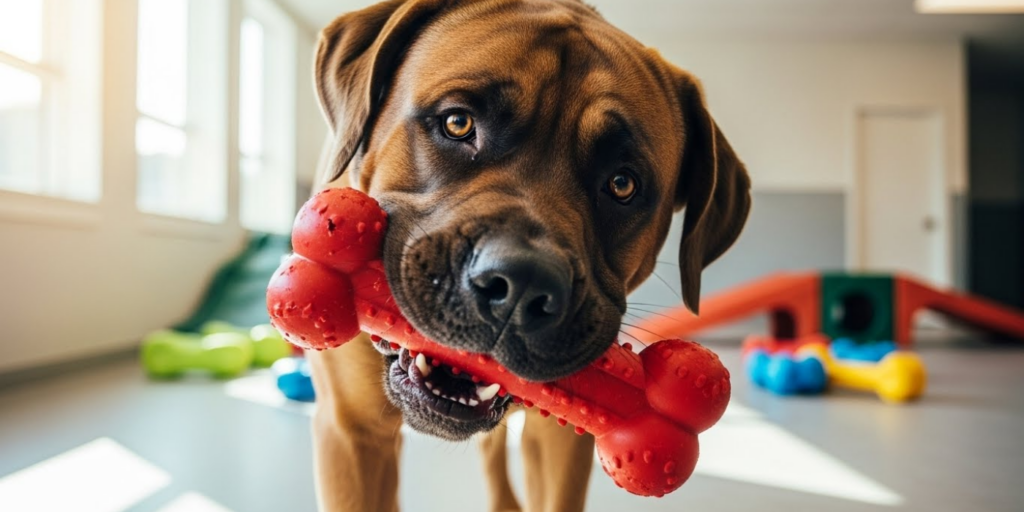
If your dog treats every toy like it’s on a countdown to destruction, you’re not alone. From plush squeakers shredded in seconds to rubber bones splintered before lunchtime, heavy chewers can leave even the toughest toys in ruins—fast. But what if you could find toys that actually last? Toys that withstand the jaw strength of a determined bulldog or the relentless gnawing of a teething puppy? This article is your ultimate guide to durable, long-lasting toys specifically designed for power chewers.
We’ll explore why durability matters beyond just saving money, what materials truly hold up under pressure, and which trusted brands consistently deliver chew-resistant options. You’ll also discover practical tips for choosing the right toy based on your dog’s chewing style, size, and behavior. Plus, we’ll share real-world recommendations and safety considerations so you can feel confident—and calm—every time you hand over a new toy.
Whether you’re tired of vacuuming up stuffing remnants or worried about your pup swallowing broken plastic, this guide will help you make smarter, safer choices that bring joy to your dog and peace of mind to you.
Why Durability Matters More Than You Think
When it comes to dog toys, durability isn’t just about getting your money’s worth—it’s a critical factor in your pet’s safety and well-being. Heavy chewers, especially breeds like Pit Bulls, Rottweilers, Labradors, and even high-energy terriers, can rip through flimsy toys in minutes. What’s left behind? Small pieces that pose choking hazards, synthetic fibers that can cause intestinal blockages, or sharp plastic shards that may injure gums and teeth.
Beyond safety, durable toys support healthy chewing behavior. Chewing is natural for dogs—it relieves stress, combats boredom, and promotes dental hygiene by scraping off plaque. But if a toy falls apart too quickly, your dog misses out on these benefits and may redirect their energy toward your shoes, furniture, or baseboards. A truly durable toy offers long-lasting mental stimulation and an appropriate outlet for that innate urge to gnaw.
Moreover, investing in quality saves you money (and frustration) in the long run. Sure, a heavy-duty rubber toy might cost more upfront than a $5 plush, but if it lasts six months instead of six minutes, it’s a smarter purchase. Think of it as paying for performance, not just packaging.
Ultimately, choosing durable toys is about respecting your dog’s instincts while protecting their health—and your home.
Materials That Can Truly Withstand Power Chewers
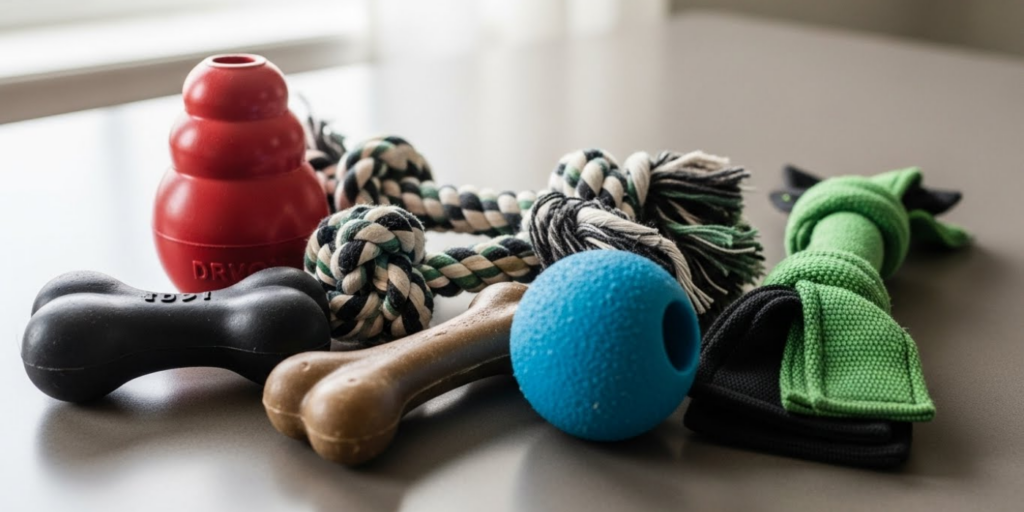
Not all “tough” toys are created equal. Many products labeled as “indestructible” fall apart under real-world chewing pressure. So what materials actually hold up?
Natural rubber (like that used by West Paw or Kong) is a top performer. High-quality, non-toxic rubber has just the right balance of firmness and flexibility—it resists splitting while still being gentle on teeth. Look for toys made from food-grade, BPA-free rubber that’s been lab-tested for tear resistance.
Nylon is another excellent option, especially for aggressive chewers. Brands like Nylabone use flavored, ultra-dense nylon that’s tough enough to survive daily gnawing yet safe if small pieces are ingested (though supervision is always recommended). Avoid cheap, brittle nylon—it can splinter.
Thermoplastic elastomers (TPE) are newer to the market and offer rubber-like resilience with enhanced durability. Some premium brands blend TPE with other polymers to create hybrid materials that outperform traditional options.
On the flip side, avoid toys made from low-density plastics, thin rubber, or stuffed plush with minimal reinforcement. Even if they claim to be “for large dogs,” these often fail under sustained chewing.
Pro tip: Check for third-party certifications like FDA compliance or independent durability testing. Real-world reviews from fellow power-chewer owners can also reveal which materials truly last.
Top 5 Durable Toys That Have Proven Their Strength
After testing dozens of options and analyzing thousands of customer reviews, these five toys consistently earn praise from owners of heavy chewers:
- Kong Extreme Dog Toy
Made from ultra-strong black rubber, this classic is nearly indestructible for most dogs. Its hollow center lets you stuff it with peanut butter or kibble, turning chewing into a mental challenge. Available in multiple sizes for dogs from 15 to over 100 pounds. - West Paw Zogoflex Tux
This BPA-free, recyclable toy is backed by a one-time replacement guarantee if your dog destroys it. Its unique shape makes it great for fetch, and the cavity holds treats securely. West Paw even uses eco-conscious manufacturing—bonus! - GoughNuts MAX 50 Stick
Engineered for extreme chewers, this toy features a dual-layer design: an outer red layer for play and an inner green safety layer that signals when the toy is worn down. Made in the USA with rigorous quality control. - Nylabone Dura Chew Textured Ring
Infused with real bacon flavor, this nylon ring satisfies the urge to chew while helping reduce plaque. Its textured surface massages gums, and the ring shape promotes healthy chewing angles. - Benebone Wishbone
Ergonomically shaped for a comfortable grip, this nylon chew features real food flavor infused throughout (not just on the surface). Its rugged design stands up to hours of gnawing, and the raised nubs clean teeth as your dog chews.
Each of these options prioritizes safety, durability, and engagement—without compromising on fun.
Matching the Toy to Your Dog’s Chewing Style
Not all heavy chewers are the same. Some dogs crush, others shred, and some simply gnaw slowly for hours. Understanding your dog’s chewing personality helps you choose the right toy.
Crushers (like Mastiffs or Boxers) need dense, solid toys with no hollow centers that can be collapsed. Solid rubber or thick nylon bones work best.
Shredders (often terriers or high-drive herding breeds) focus on tearing fabric or ripping seams. Avoid plush toys entirely—opt instead for rope-free, seamless rubber or TPE options.
Gnawers (common in senior dogs or anxious pups) benefit from softer-but-still-durable materials that provide comfort without falling apart. A slightly flexible rubber toy like the Kong Classic (not Extreme) may be ideal.
Also consider your dog’s size and jaw strength. A toy that’s perfect for a 20-pound Corgi could be a choking hazard for a 10-pound Chihuahua—or too small for a 100-pound Malamute to engage with safely. Always follow manufacturer size guidelines.
And never forget: supervision matters. Even the toughest toy can wear down over time. Regularly inspect for cracks, splinters, or loose pieces, and replace when needed.
Safety First: What to Watch Out For
Even the best toys can become hazards if misused. Here’s how to keep your heavy chewer safe:
- Avoid toys with small parts like buttons, squeakers, or glued-on eyes. These can detach and become choking risks.
- Skip rawhide and animal hooves. While popular, they can splinter, cause blockages, or contain unsafe preservatives.
- Never give cooked bones—they splinter easily and can puncture the digestive tract.
- Check for recalls regularly via the FDA or ASPCA websites.
- Rotate toys weekly to prevent boredom (and over-chewing from fixation).
- Wash toys regularly to prevent bacterial buildup, especially treat-stuffable ones.
If your dog swallows a piece of a toy, watch for signs of distress: vomiting, lethargy, loss of appetite, or straining to defecate. When in doubt, call your vet immediately.
Remember: No toy is 100% indestructible—but with smart choices and vigilance, you can dramatically reduce risks.
Beyond Toys: Managing Chewing Behavior Holistically

While durable toys are essential, they’re just one piece of the puzzle. Heavy chewing often signals unmet needs—like lack of exercise, mental stimulation, or anxiety.
- Ensure daily physical activity: A tired dog chews less destructively. Aim for at least 30–60 minutes of walking, running, or play.
- Provide mental enrichment: Puzzle feeders, snuffle mats, and training sessions reduce boredom-driven chewing.
- Use positive reinforcement: Praise your dog when they chew on appropriate items. Redirect (don’t punish) when they go for furniture.
- Consider chew deterrents: Bitter sprays on off-limits items can help (though consistency matters more).
Sometimes, excessive chewing stems from separation anxiety or teething (in puppies). In these cases, consult a vet or certified trainer for tailored strategies.
The goal isn’t to stop chewing—it’s to channel it wisely.
Conclusion: Invest in Quality, Reap the Rewards
Finding the right durable toy for a heavy chewer isn’t just about avoiding mess—it’s about supporting your dog’s health, happiness, and natural instincts. From choosing the right materials (like solid rubber or food-grade nylon) to matching toys to your dog’s unique chewing style, every decision makes a difference.
The top picks—Kong Extreme, West Paw Zogoflex, GoughNuts, Nylabone, and Benebone—offer proven performance, safety, and enrichment. But remember: even the toughest toy requires your attention. Inspect regularly, supervise play when possible, and replace worn items before they become hazards.
Most importantly, view durable toys as part of a bigger picture. Combine them with exercise, mental stimulation, and positive training, and you’ll not only save money—you’ll build a happier, more balanced life with your dog.
So next time your pup eyes a new toy with that intense, focused stare, you’ll know exactly what to give them—something that lasts, something safe, and something they’ll truly love.
What’s your dog’s favorite indestructible toy? Have you found a holy grail that survived weeks (or months!) of abuse? Share your go-to picks in the comments below—other power-chewer parents will thank you!

Mary Brown is a devoted pet enthusiast with a lifelong passion for animals of all kinds. From volunteering at local shelters to creating cozy, enriching spaces for her own furry family, she believes that every pet deserves love, comfort, and attentive care. With years of hands-on experience and a heart full of empathy, Mary shares practical tips and heartfelt insights to help fellow pet parents nurture happier, healthier lives for their companions.