Introduction
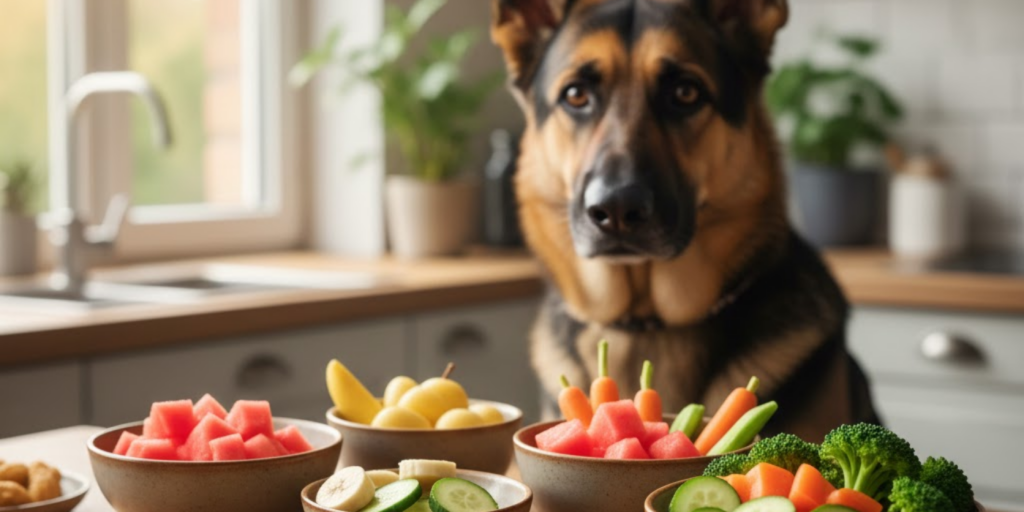
You know that look—the big, soulful eyes, the gentle paw on your knee, the hopeful tilt of the head every time you open a bag of chips or slice an apple. Your dog isn’t just begging; they’re asking to share a moment with you. And while it’s tempting to toss them a bite of whatever you’re eating, not all human foods are safe—or healthy—for dogs.
The good news? You don’t have to say “no” all the time. In fact, offering your dog nutritious, vet-approved snacks daily can support their digestion, boost their energy, freshen their breath, and even strengthen your bond. The key is choosing the right treats—and giving them in the right amounts.
In this article, we’ll explore the best healthy snacks you can safely give your dog every day, along with portion tips, preparation tricks, and a few foods to avoid at all costs. Whether you’re training, rewarding good behavior, or just sharing a quiet afternoon together, these wholesome options will keep your pup happy, healthy, and wagging.
Let’s turn snack time into a moment of care—not just convenience.
Why Healthy Daily Snacks Matter (More Than You Think)
Snacks aren’t just rewards—they’re part of your dog’s daily nutrition. According to the American Veterinary Medical Association (AVMA), treats should make up no more than 10% of your dog’s total daily calories. The other 90% should come from a complete, balanced dog food. But within that 10%, you have a powerful opportunity to enhance your dog’s well-being.
For example, a small piece of carrot provides fiber and beta-carotene for eye health. A few blueberries offer antioxidants that fight cell damage. Even plain pumpkin can regulate digestion and help with occasional upset stomachs.
On the flip side, many commercial dog treats are loaded with fillers, artificial colors, and excess sugar or salt—ingredients that contribute to weight gain, dental issues, and even long-term health problems. The Association for Pet Obesity Prevention reports that nearly 59% of dogs in the U.S. are overweight or obese, and unnecessary treats are a major factor.
By choosing whole, minimally processed snacks, you’re not just satisfying your dog’s cravings—you’re investing in their long-term vitality. Think of daily snacks as tiny doses of wellness, given with love.
Pro insight: A healthy snack is one that adds nutritional value without extra calories, preservatives, or risk.
Top 10 Vet-Approved Healthy Snacks You Can Give Daily
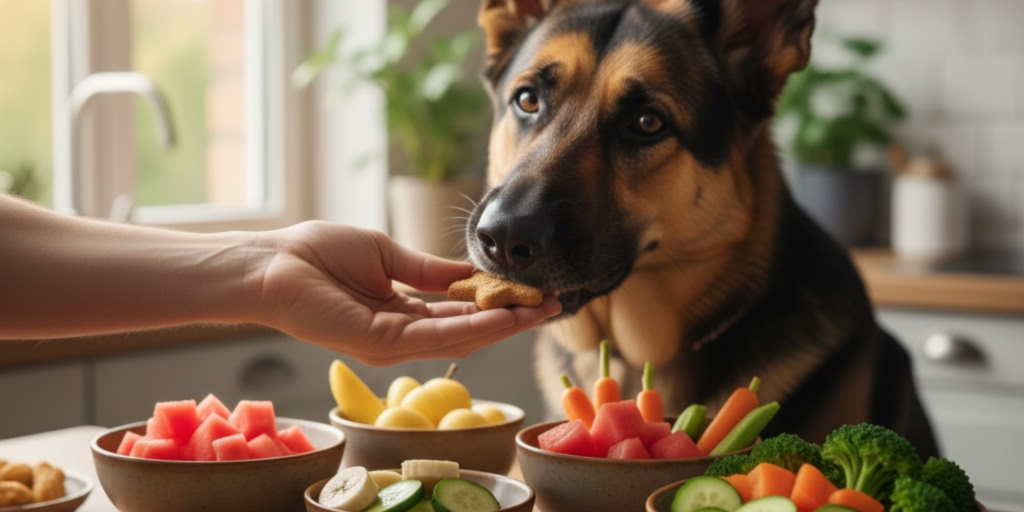
Here’s a curated list of safe, nutritious options that most dogs can enjoy—daily, in moderation:
- Carrots (raw or steamed)
Low in calories, high in fiber and vitamin A. Great for dental health—chewing crunches off plaque. - Blueberries
Packed with antioxidants, vitamins C and K, and fiber. Perfect for training due to their small size. - Green Beans (raw, steamed, or canned—no salt!)
A crunchy, low-calorie favorite. Many dogs love them straight from the fridge. - Plain Pumpkin (canned, 100% pure—not pie filling)
Soothes digestive issues and adds fiber. Just 1–2 teaspoons per day for small dogs; 1–2 tablespoons for large breeds. - Apples (seedless and core removed)
High in vitamins A and C. Remove seeds—they contain trace amounts of cyanide. - Cucumber Slices
Refreshing, hydrating, and ultra-low calorie. Ideal for overweight dogs. - Plain Cooked Sweet Potato (small portions)
Rich in beta-carotene and fiber. Bake or steam—never feed raw. - Plain Low-Fat Greek Yogurt (xylitol-free!)
Contains probiotics for gut health. Offer only if your dog tolerates dairy. - Broccoli (in tiny amounts)
Full of vitamins K and C—but too much can cause gas. Stick to a few small florets. - Plain Cooked Chicken or Turkey (no skin, no seasoning)
A lean protein boost. Ideal for picky eaters or senior dogs needing extra nutrition.
Important: Always introduce new foods one at a time and in small quantities. Watch for vomiting, diarrhea, or itching—signs of intolerance or allergy.
And remember: portion size matters. A Great Dane can handle a whole apple slice; a Chihuahua should get just a sliver.
Foods to NEVER Give Your Dog (Even as “Just a Bite”)
Not all human foods are harmless—and some are dangerous or even deadly.
Absolutely avoid:
- Chocolate: Contains theobromine, which dogs can’t metabolize. Even small amounts can cause vomiting, seizures, or death.
- Grapes and Raisins: Can cause sudden kidney failure—no safe dose is known.
- Onions, Garlic, and Chives: Damage red blood cells, leading to anemia.
- Xylitol (found in sugar-free gum, peanut butter, and baked goods): Triggers a rapid insulin release, causing life-threatening hypoglycemia.
- Avocado: The pit is a choking hazard, and persin (a fungicidal toxin) can cause vomiting and diarrhea.
- Alcohol, Caffeine, and Macadamia Nuts: All highly toxic.
Real-life warning: A 2023 study in Veterinary Record found that xylitol poisoning in dogs increased by 300% over five years, largely due to “healthy” human snacks being shared unknowingly.
When in doubt, don’t share. Keep a list of toxic foods on your fridge—or save it in your phone for quick reference.
How to Safely Incorporate Healthy Snacks Into Your Dog’s Routine
Giving healthy snacks daily is great—but only if done mindfully. Here’s how to do it right:
1. Measure Portions
Use the “10% rule”: If your 30-pound dog needs 700 calories a day, no more than 70 should come from treats. A single blueberry is ~1 calorie; a baby carrot is ~4. Track accordingly.
2. Use Snacks for Training
Instead of commercial treats, break a carrot or apple into tiny pieces. You’ll reinforce good behavior and avoid empty calories.
3. Rotate Options
Variety prevents boredom and ensures a broader range of nutrients. Try “snack themes”: Monday = veggies, Wednesday = fruit, Friday = protein.
4. Prep Ahead
Wash and chop safe fruits and veggies on the weekend. Store them in airtight containers in the fridge for grab-and-go convenience.
5. Watch for Allergies
Even safe foods can cause reactions in sensitive dogs. Start with a pea-sized amount and wait 24 hours before offering more.
6. Skip Seasonings
Never add salt, butter, oil, or spices. Plain is always best.
Bonus tip: Freeze blueberries or apple slices for a cool summer treat. Or mix plain pumpkin with low-sodium broth and freeze in a Kong for enrichment.
Healthy snacking isn’t about restriction—it’s about intentional sharing.
Special Considerations: Puppies, Seniors, and Dogs with Health Issues

Not every dog can enjoy the same snacks. Tailor your choices to your pup’s life stage and health status.
Puppies have sensitive stomachs and developing immune systems. Stick to mild options like plain cooked chicken, small apple pieces, or plain yogurt (if tolerated). Avoid high-fiber foods like pumpkin until their digestion matures.
Senior dogs often benefit from antioxidant-rich berries, joint-supportive sweet potatoes, or easily digestible proteins. But if they have kidney disease, avoid high-phosphorus foods like dairy. Always consult your vet first.
Dogs with allergies or sensitivities may react to common “healthy” foods. For example, some dogs are allergic to chicken or beef—so even plain cooked meat could cause issues. In these cases, novel proteins (like duck or fish) or hypoallergenic veggie snacks (like zucchini) may be better.
Overweight dogs need ultra-low-calorie options: cucumber, green beans, or ice cubes made from bone broth (unsalted) can satisfy without adding pounds.
Remember: Your vet is your best resource. Ask them to review your dog’s snack list during annual checkups.
A one-size-fits-all approach doesn’t work in dog nutrition—and that’s okay. Personalization is part of good care.
Final Thoughts: Snacking with Love and Wisdom
Giving your dog a healthy snack isn’t just about filling their belly—it’s a daily act of care. It says, “I see you. I value your health. And I want to share my world with you—safely.”
Every carrot stick, blueberry, or slice of apple becomes a small promise: that you’ll nourish them as thoughtfully as you’d nourish yourself. And in return, you’ll be rewarded with shiny eyes, a happy tail, and a lifetime of trust.
Conclusion
Feeding your dog healthy daily snacks is a simple yet powerful way to support their overall health, strengthen your bond, and avoid the pitfalls of processed treats. From crunchy carrots and antioxidant-rich blueberries to soothing pumpkin and lean proteins, the best options are often the simplest—and closest to nature.
Just remember: moderation, safety, and awareness are key. Stick to vet-approved foods, respect portion limits, and always consider your dog’s age, size, and health needs.
This week, try swapping one store-bought treat for a slice of cucumber or a few green beans. Notice how your dog responds—not just in their wag, but in their energy, coat, and digestion.
We’d love to hear from you! What’s your dog’s favorite healthy snack? Have you discovered a surprising food they love (or hate)? Share your story in the comments below—and help other pet parents build a safer, tastier treat routine. If you found this guide helpful, please share it with a fellow dog lover. Because every wag deserves to be fueled by something good.

Mary Brown is a devoted pet enthusiast with a lifelong passion for animals of all kinds. From volunteering at local shelters to creating cozy, enriching spaces for her own furry family, she believes that every pet deserves love, comfort, and attentive care. With years of hands-on experience and a heart full of empathy, Mary shares practical tips and heartfelt insights to help fellow pet parents nurture happier, healthier lives for their companions.