If your dog spends their days hiking trails, chasing Frisbees, or training for agility competitions, they’re not just “active”—they’re athletes. And just like human athletes, active dogs need more than just kibble off the shelf. They need high-quality, high-protein nutrition to fuel their muscles, support recovery, and maintain peak performance.
Yet many pet parents unknowingly feed their energetic pups diets that fall short of their true nutritional needs. The result? Fatigue, poor coat condition, slow recovery after exercise, or even muscle loss over time.
The good news? With the right foods and feeding strategy, you can help your dog thrive—on the trail, in the yard, or at the dog park. In this guide, we’ll explore why protein matters for active dogs, how to identify high-quality sources, and the best whole-food and commercial options to keep your four-legged athlete strong and energized. You’ll also learn how to avoid common pitfalls (like overfeeding or choosing the wrong protein type) and get practical tips you can start using today.
Whether your dog is a weekend warrior or a full-time working K-9, this article will help you feed them like the champion they are.
Why Protein Is Non-Negotiable for Active Dogs
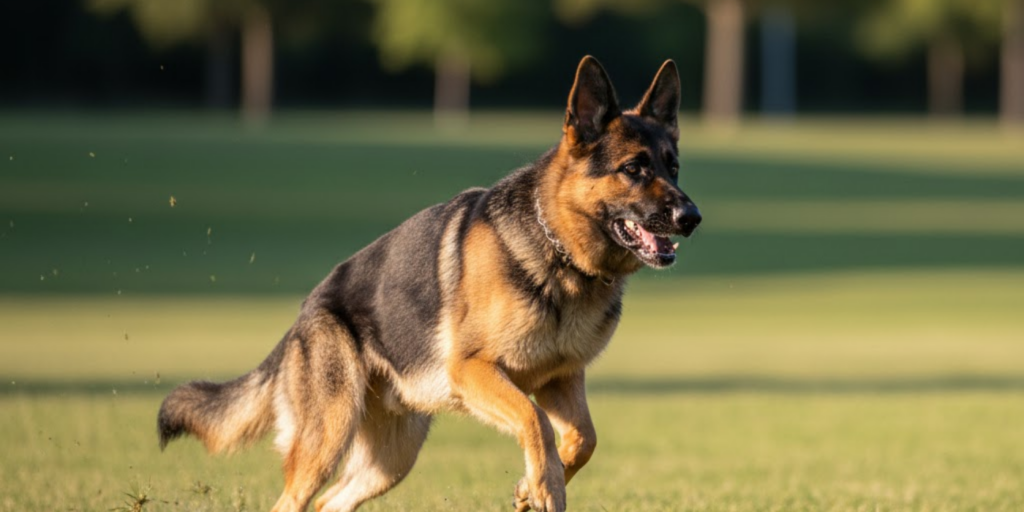
Protein isn’t just about building big muscles—it’s the foundation of nearly every bodily function in dogs. It’s made up of amino acids, which are essential for repairing tissues, supporting the immune system, maintaining skin and coat health, and producing enzymes and hormones.
For active dogs, protein demands increase significantly. According to the Association of American Feed Control Officials (AAFCO), adult dogs need a minimum of 18% protein in their diet. But active, working, or performance dogs often benefit from 25–30% or more, depending on their activity level, age, and breed.
Think of it this way: if your dog runs 5 miles with you every morning, they’re burning calories and breaking down muscle fibers—just like a runner. Without adequate protein, their body can’t rebuild efficiently, leading to slower recovery, reduced stamina, and even injury risk.
Moreover, unlike humans, dogs can’t store excess amino acids. They need a steady, daily supply from their diet. That’s why consistent, high-quality protein intake is crucial—not just on “big activity” days.
Real-world impact: A study published in the Journal of Animal Physiology found that sled dogs fed a high-protein diet (32%) maintained better body condition and endurance over long distances compared to those on moderate-protein diets.
So if your dog is always on the move, skimping on protein isn’t an option—it’s a shortcut to burnout.
What Makes a Protein “High-Quality”?
Not all protein is created equal. The key isn’t just the percentage on the bag—it’s the source, digestibility, and amino acid profile.
High-quality proteins:
- Come from real animal sources (chicken, beef, fish, lamb, eggs)
- Are highly digestible (your dog absorbs more nutrients)
- Contain all 10 essential amino acids dogs can’t make on their own
In contrast, “meat meal” or “by-products” may sound protein-rich, but they’re often less digestible and inconsistent in quality. And plant-based proteins (like peas or lentils), while useful as supplements, can’t fully replace animal protein for dogs, who are biologically carnivorous.
Look for dog foods where the first ingredient is a named animal protein, such as “salmon” or “beef”—not “meat meal” or “poultry by-product.”
Digestibility matters too. A food with 30% protein from low-quality sources might deliver less usable nutrition than a 26% food made from pure chicken and eggs. That’s why brands that publish digestibility studies (like Orijen, Acana, or The Farmer’s Dog) often outperform cheaper options.
Pro tip: If you’re adding fresh food to your dog’s diet, cooked eggs, plain chicken, or canned sardines are excellent, highly bioavailable protein boosts. Just keep them unseasoned—no garlic, onion, or salt!
Top High-Protein Commercial Dog Foods for Active Breeds
When time is tight, a well-formulated commercial food can be your best ally. Here are trusted, vet-recommended options that deliver both quality and performance:
- Orijen Original or Regional Red
- Protein: 38–42%
- Features: Fresh regional meats (chicken, turkey, beef), no grains, high in omega-3s
- Ideal for: High-energy breeds like Border Collies, Australian Shepherds, or working dogs
- The Farmer’s Dog Fresh Food (Custom Plans)
- Protein: ~30–35% (varies by recipe)
- Features: Human-grade, fresh-cooked, tailored to your dog’s weight and activity
- Ideal for: Owners who want convenience without sacrificing quality
- Wellness CORE Original
- Protein: 34%
- Features: Grain-free, high meat content, includes probiotics for digestion
- Ideal for: Active dogs with sensitive stomachs
- Taste of the Wild High Prairie
- Protein: 32%
- Features: Bison and venison, antioxidant-rich superfoods, affordable premium option
- Ideal for: Outdoor adventurers and hunting dogs
- Purina Pro Plan Sport
- Protein: 30%
- Features: Developed with canine athletes in mind, includes glucosamine and fish oil
- Ideal for: Endurance dogs (sled, search-and-rescue, agility)
Always transition slowly over 7–10 days when switching foods to avoid digestive upset. And remember: more protein isn’t always better for senior dogs or those with kidney issues—consult your vet if your dog has health conditions.
Safe Whole Foods to Boost Protein Intake
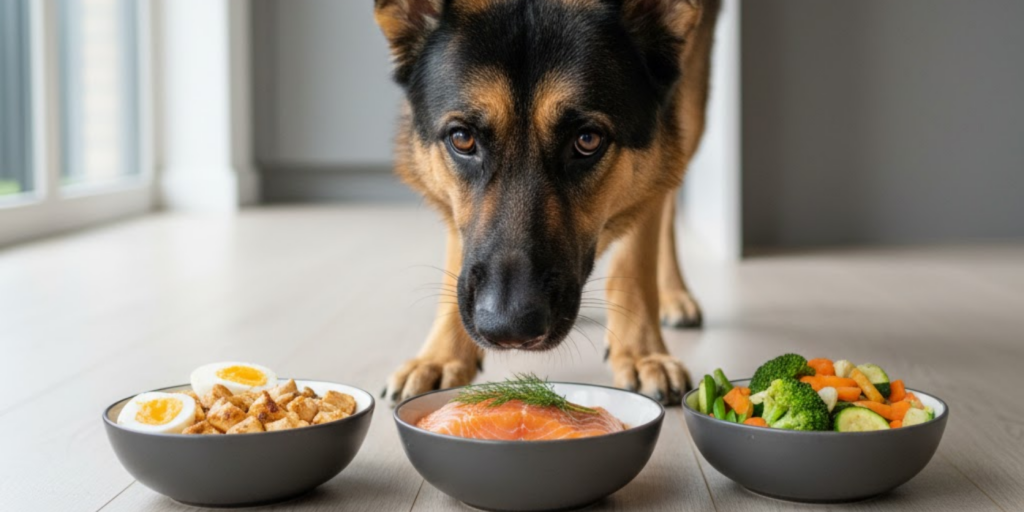
Want to supercharge your dog’s diet with real food? Many human-safe, high-protein foods make excellent toppers or occasional meals—when prepared correctly.
Top whole-food protein sources:
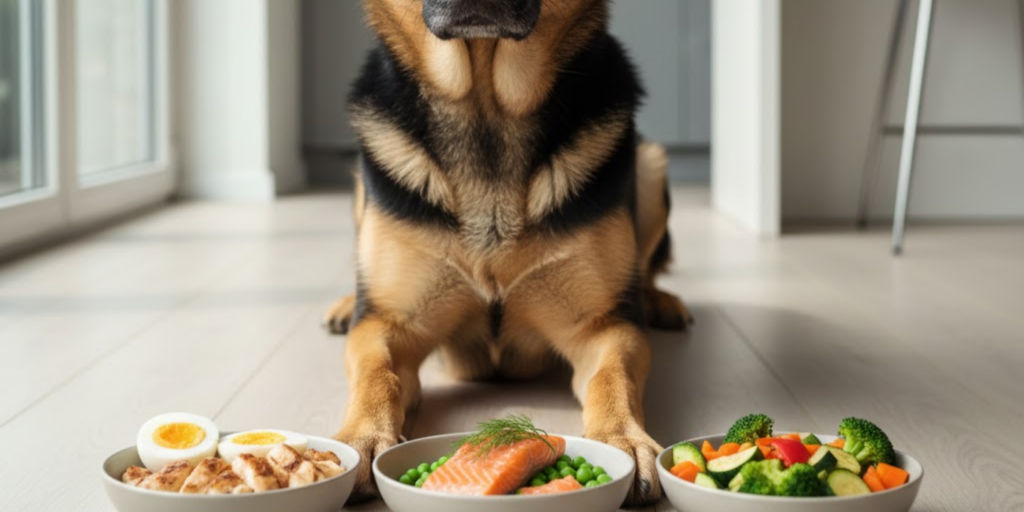
- Cooked chicken or turkey (skinless, boneless): Lean, easy to digest, perfect post-workout
- Hard-boiled or scrambled eggs: Contain all essential amino acids and biotin for coat health
- Canned sardines or salmon (in water, no salt): Rich in protein + omega-3s for joint and brain support
- Lean ground beef (cooked, drained): Higher in fat—great for high-calorie needs but use in moderation
- Plain Greek yogurt or cottage cheese: Good for gut health, but only if your dog tolerates dairy
Avoid: Raw pork, raw fish (risk of parasites), cooked bones (splinter hazard), and any meat with seasoning, garlic, or onion—all toxic to dogs.
Portion guidance: Whole foods should make up no more than 10–15% of your dog’s daily calories unless you’re following a vet-supervised homemade diet. Too much can unbalance their nutrition.
Real-life hack: Meal-prep protein boosters on Sundays—boil eggs, cook chicken breasts, and freeze portions in silicone molds for quick, grab-and-go toppers during the week.
Common Mistakes (and How to Avoid Them)
Even well-meaning owners can fall into protein pitfalls. Here are the top three mistakes—and how to sidestep them:
- Assuming “high-protein” = healthy
A food can be high in protein but made from low-quality fillers (like corn gluten meal). Always check ingredient quality, not just the number. - Overfeeding protein to sedentary dogs
Extra protein won’t turn your couch potato into an athlete—and may stress their kidneys over time. Reserve high-protein diets for truly active dogs. - Ignoring hydration
High-protein diets increase water needs. Always provide fresh, clean water, especially after exercise. Dehydration can lead to urinary issues or reduced performance.
Also, never switch to a raw or homemade high-protein diet without consulting a veterinary nutritionist. Imbalances in calcium, phosphorus, or vitamins can cause serious health problems.
As canine nutritionist Dr. Emily Torres warns: “More isn’t always better. Precision beats excess every time.”
Listen to Your Dog: Signs You’re Getting It Right (or Wrong)
Your dog’s body will tell you whether their diet is working. Positive signs of a well-fueled, high-protein diet include:
- Sustained energy throughout the day
- Quick recovery after exercise
- Shiny coat and healthy skin
- Lean, firm muscle tone (not overweight, not underweight)
- Consistent, firm stools
Warning signs you may need to adjust:
- Excessive gas or loose stools (could indicate poor digestibility)
- Weight gain without muscle tone (too many calories, not enough activity)
- Dull coat or flaky skin (possible amino acid deficiency)
- Lethargy or reluctance to exercise (could signal imbalance or overfeeding)
Trust your instincts—and your dog’s behavior. They’re your best feedback system.
Conclusion
Feeding an active dog isn’t about loading up on the most protein you can find—it’s about choosing high-quality, digestible, species-appropriate sources that match their lifestyle and physiology. Whether you opt for a premium commercial food, fresh meals, or smart whole-food toppers, the goal is the same: to fuel their adventures, support their recovery, and keep them thriving for years to come.
Remember, your dog’s diet is one of the most powerful tools you have as a pet parent. By prioritizing real protein from trusted sources, you’re not just filling their bowl—you’re investing in their strength, resilience, and joy.
So take a look at your dog’s current food. Does it truly meet their athletic needs? If not, even one small upgrade—like switching to a named-meat-first formula or adding a boiled egg twice a week—can make a meaningful difference.
We’d love to hear from you!
What high-protein food or recipe has transformed your active dog’s energy and coat? Have you tried fresh or raw diets? Share your experience in the comments below—your tip could inspire another dog parent to take the next step toward optimal nutrition. And if you found this guide helpful, pass it on to a fellow adventure buddy and their pup! 🐕💪

Mary Brown is a devoted pet enthusiast with a lifelong passion for animals of all kinds. From volunteering at local shelters to creating cozy, enriching spaces for her own furry family, she believes that every pet deserves love, comfort, and attentive care. With years of hands-on experience and a heart full of empathy, Mary shares practical tips and heartfelt insights to help fellow pet parents nurture happier, healthier lives for their companions.