You’re lacing up your boots, checking your pack, and glancing at your dog—tail wagging, eyes bright with anticipation. You both love the trail, but let’s be honest: you’re carrying everything. Water, snacks, first aid, poop bags… and your dog just watches, eager to help but wearing only a collar.
What if your pup could carry their own gear—and even some of yours? With a well-fitted, multi-functional dog backpack, they can. Not only does it lighten your load, but it also gives your dog a sense of purpose, boosts confidence, and builds endurance on long hikes.
But not all dog backpacks are created equal. Some chafe, overheat, or discourage movement. Others lack storage, adjustability, or safety features essential for rugged terrain.
In this guide, we’ll walk you through what makes a great hiking dog backpack, highlight the top 5 models of 2025, and share essential tips for fit, weight distribution, and trail safety. Whether you have a compact Aussie or a sturdy Bernese Mountain Dog, you’ll find the perfect pack to turn your next hike into a true team effort.
Let’s hit the trail—together, and well-equipped.
Why a Dog Backpack Is More Than Just a Gimmick
Many owners assume dog backpacks are just cute accessories. But for active dogs, they’re functional tools that enhance the hiking experience.
Benefits of a quality dog backpack:
✅ Reduces your pack weight (your dog can carry 10–25% of their body weight safely)
✅ Provides mental stimulation—carrying a “job” reduces boredom and anxiety
✅ Improves posture and muscle tone when fitted correctly
✅ Keeps essentials accessible: water, snacks, first aid, waste bags
✅ Boosts confidence in shy or reactive dogs by giving them focus
“My Border Collie used to get restless on long hikes. Now he wears his pack proudly—he’s calmer, more engaged, and walks with purpose.” — Jenna, Pacific Crest Trail hiker
Important: A backpack isn’t for puppies (under 1 year) or dogs with joint/back issues. Always consult your vet before starting.
What to Look for in a Multi-Functional Hiking Dog Backpack
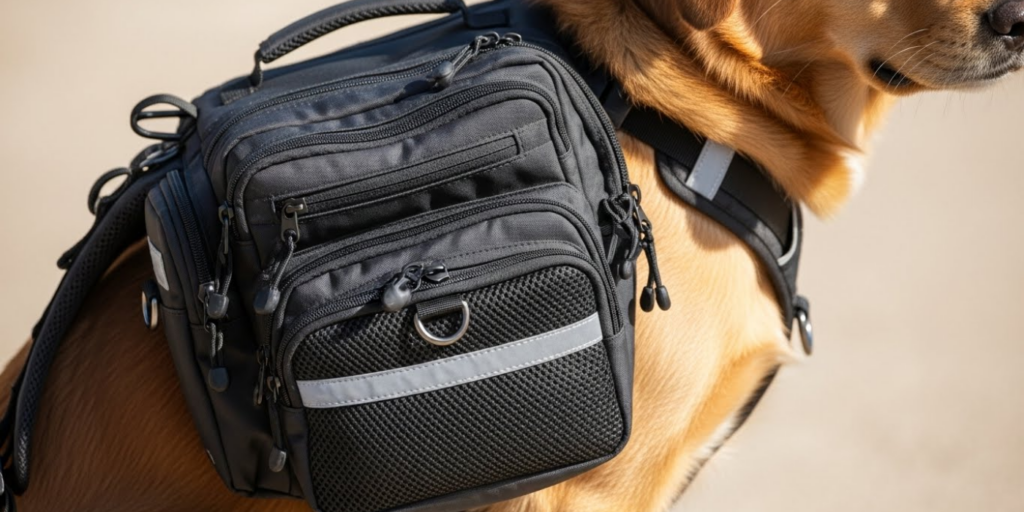
Don’t just grab the cutest design. Prioritize function, safety, and comfort with these key features:
🎒 Adjustable, Ergonomic Fit
- Look for multiple adjustment points (girth, chest, neck)
- Pads should be breathable mesh, not stiff foam
- Straps must not restrict shoulder or leg movement
💧 Ventilation & Temperature Control
- Avoid fully enclosed packs—mesh panels on the back prevent overheating
- In hot climates, choose light-colored packs to reflect sun
🧳 Smart Storage Design
- Multiple compartments (not just one big pouch) keep gear organized
- Water-resistant or waterproof material for river crossings or rain
- Easy-access side pockets for treats or poop bags
🔒 Safety & Durability
- Reflective trim for low-light visibility
- Heavy-duty buckles and stitching (YKK zippers are a plus)
- Leash attachment point on the back or chest (never just on the pack)
⚖️ Weight Distribution
- Weight should sit over the shoulders, not the lower back
- Use symmetrical loading—equal weight on both sides
Pro tip: Measure your dog’s girth (widest part of chest) and back length (neck to tail base) before buying. Sizing charts vary by brand.
Top 5 Multi-Functional Dog Backpacks for Hiking in 2025
1. Ruffwear Approach Pack – The Gold Standard
- Best for: All-day hikes, rugged terrain, serious adventurers
- Key features:
- Breathable, padded harness with 4 adjustment points
- Two saddlebag-style pockets with water-resistant zippers
- Reflective trim + light loop for night safety
- D-ring for leash attachment on chest and back
- Weight capacity: Up to 25% of dog’s body weight
- Why it stands out: Used by search-and-rescue dogs—built for endurance and comfort
“I’ve hiked 50+ miles with my Aussie in this pack. No chafing, no overheating, and he still trots proudly at mile 10.” — Tyler, Colorado hiker
2. Kurgo Baxter Backpack – Best Value for Budget-Conscious Hikers
- Best for: Weekend warriors, medium dogs, first-time backpack users
- Key features:
- Affordable ($45–60) but durable 600D polyester
- Two zippered compartments + mesh side pockets
- Adjustable straps with quick-release buckles
- Includes free collapsible water bottle
- Weight capacity: Up to 18 lbs (ideal for dogs 30–70 lbs)
- Bonus: Machine-washable—great for muddy adventures
Ideal for: Those testing the waters before investing in premium gear.
3. Outward Hound Granby Pack – Lightweight & Trail-Ready
- Best for: Hot climates, fast-moving dogs, minimalist hikers
- Key features:
- Ultra-lightweight (under 1 lb) with maximum airflow
- Mesh saddlebags with drawstring closure (easy one-paw access)
- Reflective accents + handle for quick lifts
- Fits dogs as small as 15 lbs
- Weight capacity: 10–15% of body weight (light-duty use)
- Why choose it: Perfect for shorter hikes or warm-weather treks where overheating is a concern.
4. EzyDog Trailpack – For Large & Working Breeds
- Best for: Big dogs (70+ lbs), service dogs, expedition hiking
- Key features:
- Heavy-duty 1000D nylon with reinforced stitching
- Four storage compartments, including a hydration bladder sleeve
- Ergonomic chest plate to prevent rubbing
- Leash clip on chest and back for control
- Weight capacity: Up to 30 lbs (for dogs 80+ lbs)
- Standout: Designed with input from wildlife conservation K-9 units—tested in extreme conditions.
5. Tupawt Adjustable Dog Backpack – Best for Small Breeds
- Best for: Corgis, Jack Russells, Shelties, and other small hikers
- Key features:
- Custom-fit design for short-backed, long-bodied dogs
- Padded belly strap prevents sagging
- Bright colors + reflective strips
- Holds up to 8 lbs (20% of body weight for small dogs)
- Why it’s unique: Most packs are made for medium/large dogs—this one actually fits small breeds properly.
How to Introduce Your Dog to a Backpack (Without Stress)
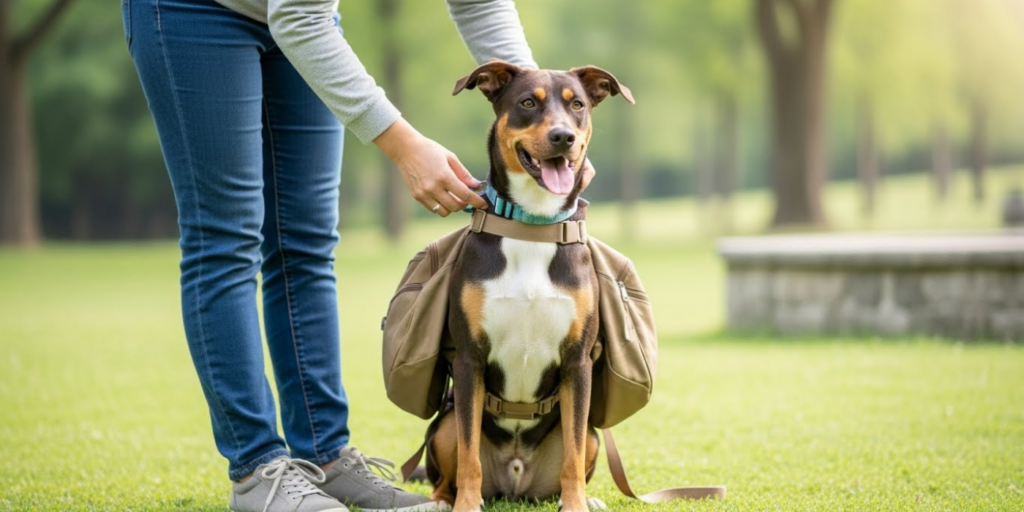
Even the best pack fails if your dog hates wearing it. Follow these steps:
- Let them sniff and explore it first—leave it on the floor for a day.
- Put it on without fastening—let them walk around loose. Reward calm behavior.
- Fasten one strap at a time, rewarding each step.
- Add weight gradually: Start with empty → add 5% of capacity → build to full load over 1–2 weeks.
- Keep early hikes short (under 1 mile) to build endurance.
Never: Force the pack on, leave it on for hours during training, or overload on the first hike.
Signs of discomfort:
- Rubbing against walls
- Reluctance to move
- Excessive panting unrelated to heat
- Chewing at straps
If you see these, remove the pack and reassess fit or weight.
Packing Smart: What to Put in Your Dog’s Backpack
Your dog’s pack should carry their gear first, then extras:
✅ Essentials:
- Their portion of food and treats
- Collapsible bowl
- Poop bags (in an outer pocket for quick access)
- Dog-safe first aid items (antiseptic wipes, tick remover)
✅ Optional (if weight allows):
- Extra water (use a small hydration bladder)
- Your phone or keys (in a waterproof pouch)
- Lightweight rain jacket (for them or you)
❌ Never pack:
- Heavy metal items (like full water bottles)
- Your dog’s leash (they need freedom of movement)
- Anything sharp or noisy that could distract them
Rule of thumb: If it’s not essential for your dog’s comfort or safety, leave it in your pack.
Safety Tips for Hiking with a Packed Pup
✅ Weigh your dog monthly—their ideal load changes with fitness
✅ Check straps every 30 minutes for tightness or chafing
✅ Offer water breaks every 20–30 minutes—backpacks increase exertion
✅ Avoid peak heat—hike early morning or late evening in summer
✅ Know your dog’s limits—a tired dog is more prone to injury
Emergency tip: Always carry a dog first aid kit in your pack—even if their backpack has one.
The Trail Is Better Together
A well-chosen dog backpack does more than carry gear—it deepens your partnership. It says: “You’re not just coming along. You’re part of the team.”
And when your dog trots ahead, pack snug, ears perked, and tail high, you’ll know you’ve given them more than a job. You’ve given them pride, purpose, and a shared adventure.
Final Thoughts: Equip Well, Explore Freely
You don’t need the most expensive pack—just the right one for your dog’s size, fitness, and hiking style. Start slow, prioritize comfort, and always put your dog’s well-being first.
So measure, choose, and hit the trail. With the right backpack, your next hike won’t just be a walk in the woods—it’ll be a true adventure, side by side.
Now we’d love to hear from you: Has your dog worn a backpack on the trail? Which model worked best for you? Or do you have tips for new hikers? Share your story in the comments—your advice might help another pup gear up for their first mountain summit!

Mary Brown is a devoted pet enthusiast with a lifelong passion for animals of all kinds. From volunteering at local shelters to creating cozy, enriching spaces for her own furry family, she believes that every pet deserves love, comfort, and attentive care. With years of hands-on experience and a heart full of empathy, Mary shares practical tips and heartfelt insights to help fellow pet parents nurture happier, healthier lives for their companions.