Introduction
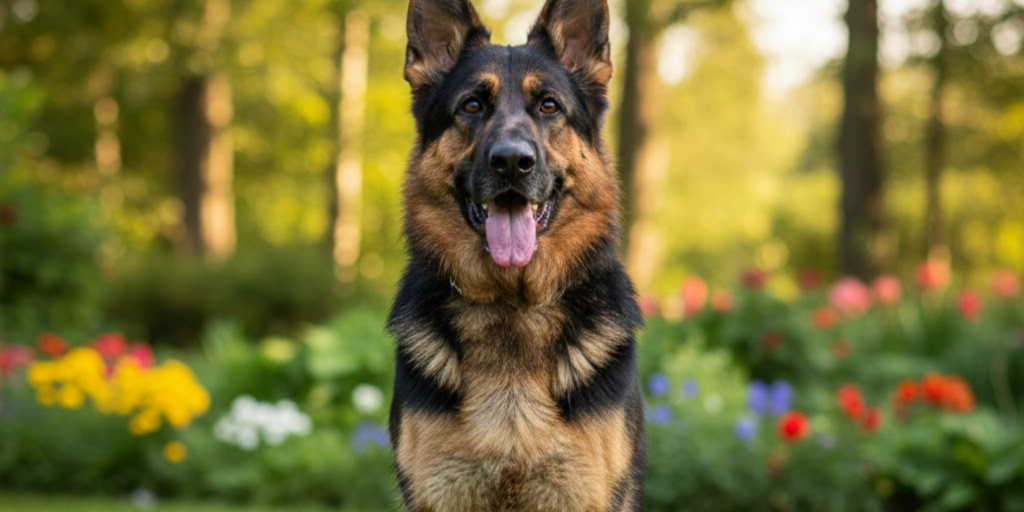
There’s something truly magical about running your fingers through a dog’s glossy, soft coat—especially when it gleams in the sunlight or smells fresh after a good brush. But that radiant fur isn’t just about looks. A shiny, healthy coat is often one of the clearest signs that your dog is thriving, both inside and out.
On the flip side, a dull, brittle, or flaky coat can signal underlying issues—nutritional gaps, allergies, stress, or even medical conditions. The good news? With the right care, most dogs can enjoy a lustrous, resilient coat that not only turns heads at the dog park but also protects their skin and supports their overall well-being.
In this article, we’ll share science-backed, vet-approved tips to help you keep your dog’s coat in top condition. From diet and grooming to hydration and lifestyle, you’ll discover simple, practical strategies you can start using today—no fancy spa treatments required. Whether you have a long-haired Afghan Hound or a short-coated Beagle, these tips apply to every pup.
Let’s dive into the secrets behind that picture-perfect shine.
Nutrition: The Foundation of a Healthy Coat
You’ve probably heard the saying, “Beauty starts from within”—and it’s absolutely true for dogs. Diet is the single biggest factor influencing your dog’s coat health.
A shiny coat begins with high-quality protein. Dogs need essential amino acids like methionine and cysteine, which are building blocks for keratin—the protein that makes up hair. Without enough quality protein, fur becomes thin, brittle, or slow to regrow.
Equally important are fatty acids, especially omega-3 and omega-6. These healthy fats nourish the skin, reduce inflammation, and give hair that natural sheen. Wild-caught salmon, flaxseed, chia seeds, and fish oil supplements are excellent sources. According to a study published in the Journal of the American Veterinary Medical Association, dogs supplemented with omega-3s showed significant improvements in coat luster and skin hydration within 6–8 weeks.
Also, don’t overlook vitamins and minerals like zinc, biotin, vitamin E, and B-complex vitamins. Many premium dog foods include these, but if you feed a homemade or raw diet, talk to your vet about balanced supplementation.
Pro tip: Avoid low-cost kibble loaded with fillers like corn, soy, or artificial dyes. These can trigger allergies that manifest as itchy skin and dull fur.
Think of your dog’s food as fuel—not just for energy, but for beauty. A nutritious diet doesn’t just make your dog look good—it helps them feel good, too.
Grooming: More Than Just Brushing
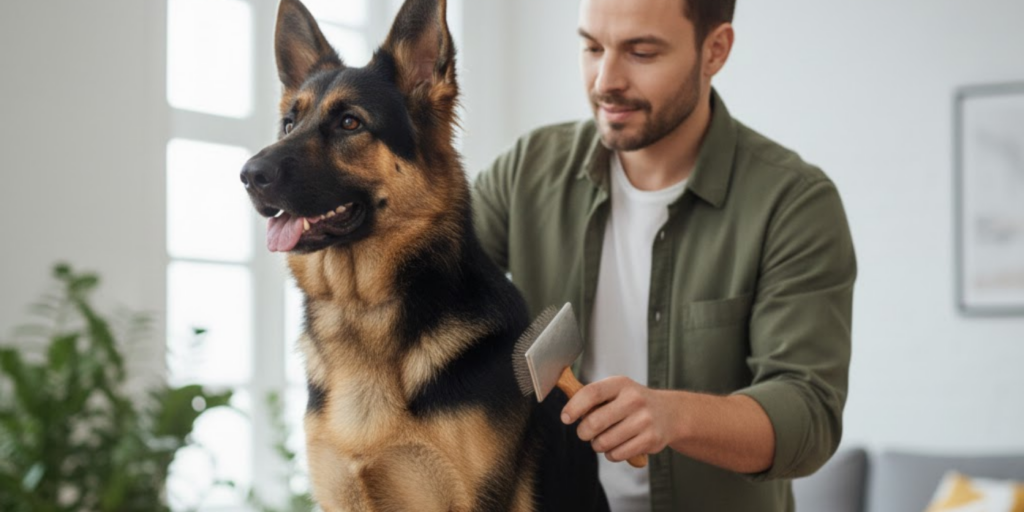
While diet builds a healthy coat from within, regular grooming maintains it from the outside. And no, this isn’t just for show dogs or long-haired breeds—every dog benefits from consistent care.
Brushing does more than remove tangles. It:
- Distributes natural skin oils from the roots to the tips of the hair, enhancing shine
- Stimulates blood circulation to hair follicles, promoting growth
- Removes dead hair, dirt, and dander that can clog pores and cause irritation
How often should you brush? It depends on your dog’s coat type:
- Short-haired dogs (like Boxers or Labs): 1–2 times per week
- Medium/long-haired dogs (like Golden Retrievers or Shelties): Daily or every other day
- Double-coated breeds (like Huskies or Shepherds): Frequent brushing during shedding seasons to prevent matting
Always use the right tool for your dog’s fur:
- Slicker brushes for detangling
- Undercoat rakes for heavy shedders
- Bristle brushes for short, smooth coats
Bathing matters too—but don’t overdo it. Bathing too often strips natural oils, leaving skin dry and fur dull. Most dogs only need a bath every 4–8 weeks, unless they roll in mud or skunk spray. When you do bathe, choose a gentle, pH-balanced dog shampoo—never human products, which can disrupt your dog’s delicate skin barrier.
Real-life win: After switching to weekly brushing and a salmon-oil supplement, Maria’s rescue mutt went from “matted mess” to “glossy goofball” in under two months—no professional groomer needed.
Hydration and Overall Health: The Hidden Keys
Even the best diet and grooming routine won’t shine if your dog is dehydrated or unwell. Healthy skin is about 70% water, and without enough fluids, it becomes dry, flaky, and prone to irritation—which directly affects coat quality.
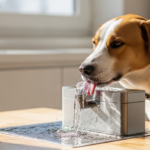
Make sure your dog always has access to fresh, clean water, especially in hot weather or after exercise. Some dogs prefer moving water, so a pet fountain might encourage them to drink more. You can also add bone broth (unsalted, no onions or garlic) to their meals for extra hydration and flavor.
But hydration isn’t just about water intake. Underlying health issues—like hypothyroidism, Cushing’s disease, parasites, or allergies—can cause coat changes. If you notice sudden dullness, excessive shedding, bald patches, or skin redness, consult your veterinarian. These aren’t “just cosmetic”—they’re clues your dog needs help.
Stress also plays a role. Dogs experiencing anxiety (from loud noises, changes in routine, or separation) may over-groom or lose hair. Creating a calm, predictable environment goes a long way in supporting coat health.
Fun analogy: Think of your dog’s coat like a houseplant. Even with the best potting soil (food) and regular pruning (grooming), it won’t thrive without enough water and sunlight (hydration and wellness).
A shiny coat is often the tip of the iceberg—beneath it lies your dog’s total health.
Natural Supplements and Home Remedies That Work
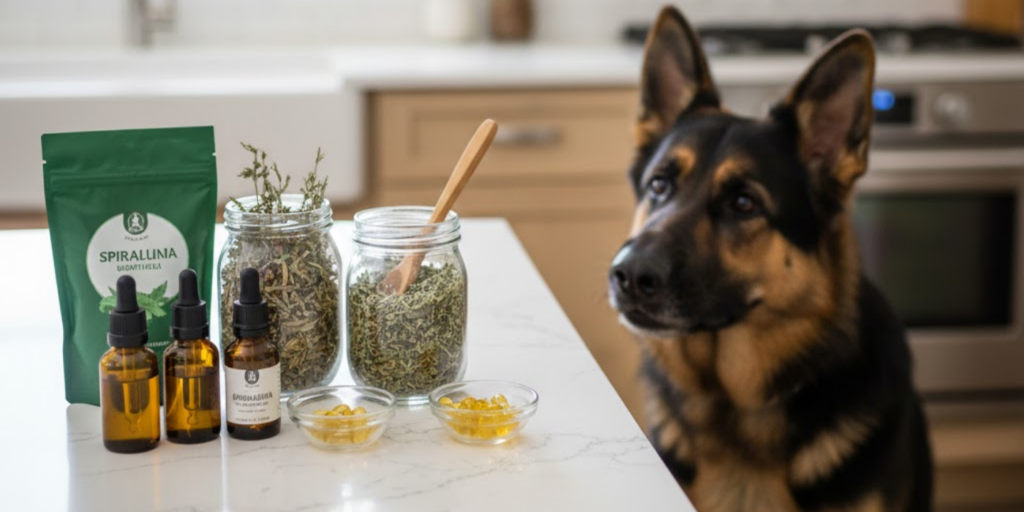
Many pet parents turn to natural add-ons to boost coat quality—and some actually deliver results.
1. Fish Oil
Rich in EPA and DHA (omega-3s), fish oil is one of the most effective supplements for coat and skin health. Most dogs tolerate it well, and it often doubles as an anti-inflammatory for joint support. Dosage varies by weight—check with your vet before starting.
2. Coconut Oil
While research is limited, many owners report softer fur and reduced itching after adding a teaspoon of virgin coconut oil to their dog’s food (for medium-sized dogs). It may support skin barrier function—but use sparingly, as it’s high in saturated fat.
3. Eggs (in moderation)
A cooked egg once a week provides biotin, protein, and healthy fats. Just avoid raw eggs, which can interfere with biotin absorption.
4. Apple Cider Vinegar Rinse (Diluted!)
After bathing, a final rinse with 1 part apple cider vinegar to 4 parts water can help restore pH balance and add shine. Never use undiluted, and avoid if your dog has open sores.
Caution: Always introduce new supplements slowly and one at a time. Monitor for digestive upset or allergic reactions. And never replace a balanced diet with “miracle” remedies.
Natural doesn’t always mean safe—so when in doubt, ask your vet.
Breed-Specific Considerations and Seasonal Care
Not all coats are created equal. A Poodle’s curly fur needs different care than a Dachshund’s sleek coat—and seasonal changes affect them all.
Long or curly coats (Poodles, Bichons, Shih Tzus):
Prone to matting, which pulls on the skin and traps moisture. Schedule professional grooming every 4–8 weeks, and brush thoroughly every day.
Double-coated breeds (Huskies, Malamutes, Labs):
Never shave them! Their undercoat insulates against both heat and cold. Instead, use an undercoat rake during spring and fall to manage “blowing coat” seasons.
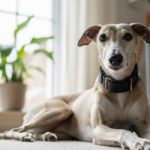
Short-haired dogs (Dalmatians, Greyhounds, Pit Bulls):
Their coats show every speck of dirt and skin issue. Focus on skin health—they have less fur to protect against sunburn or dryness.
Seasonal shifts matter, too. In winter, indoor heating dries the air—consider a humidifier in your dog’s sleeping area. In summer, rinse off saltwater or chlorine after beach or pool days to prevent irritation.
Pro insight: Grooming isn’t vanity—it’s prevention. Mats can lead to skin infections. Dry skin can cause constant scratching. Tailoring care to your dog’s specific needs keeps small issues from becoming big problems.
Your dog’s breed and environment should guide your routine—not a one-size-fits-all rule.
Final Thoughts: Shine From the Inside Out
A shiny, healthy coat isn’t about perfection—it’s about care. It’s the result of consistent nutrition, thoughtful grooming, and attention to your dog’s overall well-being. More than that, it’s a reflection of the love and commitment you pour into your relationship with your pet.
Every brush stroke, every balanced meal, every fresh bowl of water—they all add up to a happier, healthier dog who struts through life with confidence (and a little extra gleam).
Conclusion
Keeping your dog’s coat shiny and healthy doesn’t require expensive products or endless hours of grooming. It starts with the basics: high-quality food rich in essential fats and proteins, regular brushing tailored to your dog’s coat type, proper hydration, and attention to overall health. Add in smart supplements like fish oil when appropriate, and adjust your routine based on your dog’s breed and the seasons.
Remember, your dog’s coat is a window into their inner world. When it shines, it’s often because everything else is in balance, too.
So take a moment this week to check your dog’s food label, grab that brush, and give them an extra scratch behind the ears. You’ll both feel the difference.
We’d love to hear from you! What’s your secret to a glossy coat? Has a supplement or grooming trick transformed your dog’s fur? Share your tips in the comments below—your advice could help another dog parent discover their pup’s inner sparkle. And if you found this guide helpful, please share it with a fellow dog lover. Because every dog deserves to shine.

Mary Brown is a devoted pet enthusiast with a lifelong passion for animals of all kinds. From volunteering at local shelters to creating cozy, enriching spaces for her own furry family, she believes that every pet deserves love, comfort, and attentive care. With years of hands-on experience and a heart full of empathy, Mary shares practical tips and heartfelt insights to help fellow pet parents nurture happier, healthier lives for their companions.