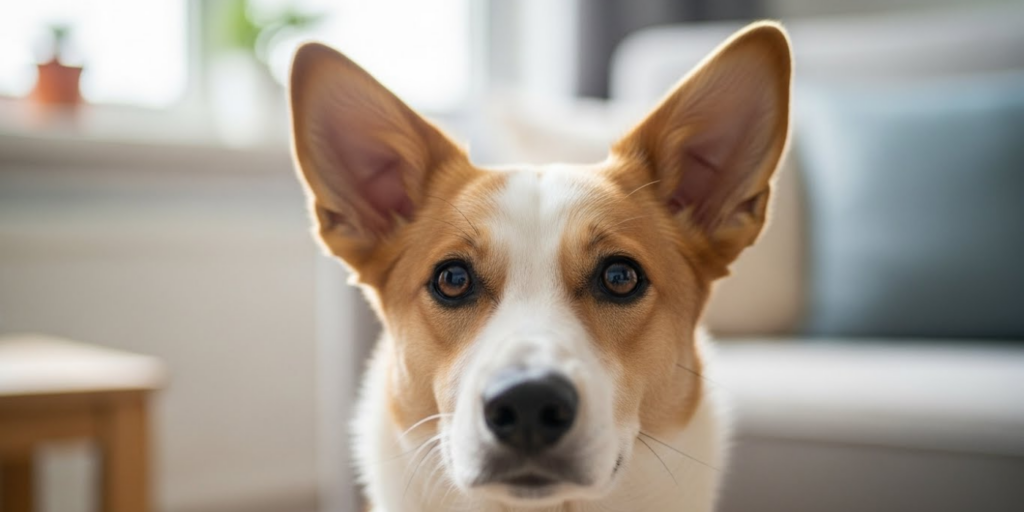
You’re cuddling your pup when you notice it: a faint, yeasty odor, a bit of head-shaking, and maybe a paw swiping at the ear. You peek inside—and see redness, wax, or even discharge.
Ear infections are one of the most common reasons dogs visit the vet, affecting up to 20% of all dogs at some point in their lives (AVMA). And while they’re treatable, they’re also painful, frustrating, and often recurring—especially in breeds with floppy ears, allergies, or active lifestyles.
The good news? Most ear infections can be prevented with consistent, gentle care and smart habits. You don’t need medical training—just awareness, the right tools, and a little routine.
In this guide, we’ll walk you through everything you need to know: why ear infections happen, which dogs are most at risk, how to clean ears safely, how to dry them after swimming or baths, and 7 proactive steps to keep your dog’s ears healthy for life.
Because a dog with healthy ears is a happy, comfortable, and itch-free companion—and that’s worth every minute of prevention.
1. Why Do Dogs Get Ear Infections? Understanding the Causes
Before you can prevent ear infections, it helps to understand why they happen. Unlike humans, dogs have long, L-shaped ear canals—perfect for trapping moisture, debris, and microorganisms.
Most ear infections are caused by an overgrowth of yeast (Malassezia) or bacteria (often Pseudomonas or Staphylococcus). But these microbes only thrive when the ear’s natural balance is disrupted.
Common triggers include:
- Moisture (from swimming, bathing, or humidity)
- Allergies (food or environmental—leading to inflamed, itchy ears)
- Excess wax or hair in the ear canal
- Foreign objects (like grass seeds or dirt)
- Hormonal imbalances (e.g., hypothyroidism)
“My golden retriever got an ear infection every summer after lake trips. Once I started drying his ears, they stopped completely.” — Mark, dog dad in Michigan
Key insight: Prevention isn’t about sterilizing ears—it’s about keeping them clean, dry, and balanced.
2. Know Your Dog’s Risk Level (Some Breeds Need Extra Care)
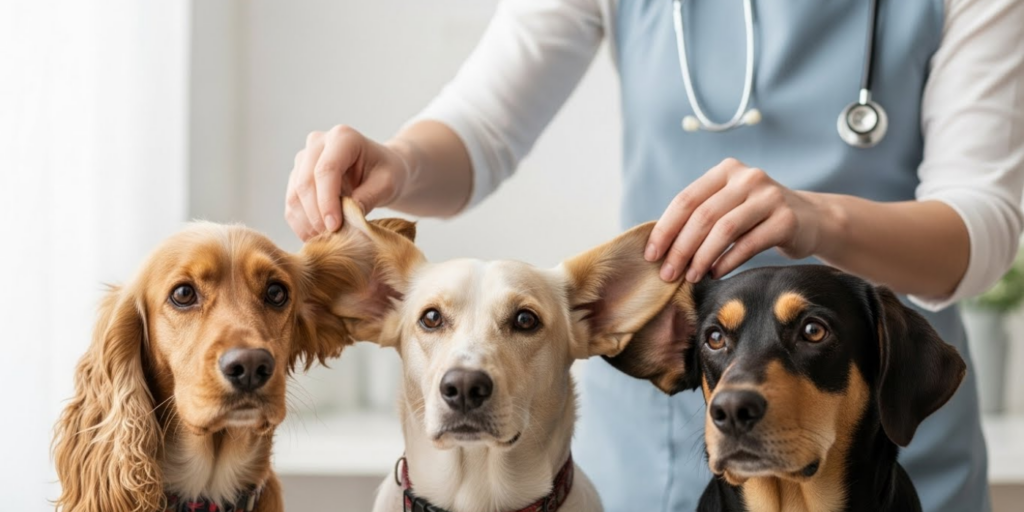
Not all dogs are equally prone to ear infections. Anatomy and lifestyle matter.
High-Risk Breeds:
✅ Floppy-eared dogs: Basset Hounds, Cocker Spaniels, Beagles (ears trap moisture and reduce airflow)
✅ Hair-inside-the-ear breeds: Poodles, Shih Tzus, Schnauzers (hair traps wax and debris)
✅ Water-loving dogs: Retrievers, Spaniels, Portuguese Water Dogs (frequent swimming = wet ears)
✅ Dogs with allergies: Bulldogs, Westies, French Bulldogs (allergies inflame ear tissue)
Puppies and seniors are also more vulnerable due to developing or weakening immune systems.
If your dog fits any of these categories, make ear care a non-negotiable part of their routine—even if they’ve never had an infection.
3. Clean Ears Properly—Not Too Much, Not Too Little
Over-cleaning can irritate ears; under-cleaning lets wax build up. The key is gentle, consistent maintenance.
When to Clean:
- Every 1–2 weeks for high-risk breeds
- After swimming or bathing
- If you notice odor, wax, or head-shaking
How to Clean Safely:
- Use a vet-approved ear cleaner (never hydrogen peroxide, alcohol, or vinegar—these damage delicate tissue). Look for pH-balanced formulas with soothing ingredients like aloe or chlorhexidine.
- Fill the ear canal with solution (don’t touch the tip to the ear).
- Massage the base of the ear for 20–30 seconds—you’ll hear a squishing sound.
- Let your dog shake—this brings debris to the surface.
- Wipe gently with a cotton ball or gauze (never Q-tips—they push wax deeper!).
Stop if your dog yelps or the ear is red/swollen—that’s a sign of infection, not just dirt.
“I used to use Q-tips. My vet showed me the right way—and my dog’s chronic infections vanished.” — Sarah
4. Dry Ears Thoroughly After Water Exposure
Moisture is public enemy #1 when it comes to ear infections. Water creates a warm, dark environment where yeast and bacteria multiply fast.
Post-Swim or Bath Routine:
- Wipe outer ears with a soft towel.
- Use a drying ear solution (many contain alcohol-free drying agents like witch hazel or boric acid).
- Let your dog shake—then wipe again.
- Leave ears uncovered—don’t put hoods or tight collars that trap humidity.
Pro tip: For dogs who swim often, keep a dedicated ear-drying kit in your car: towel + ear cleaner + cotton balls.
Never skip this step—even if it’s just a quick rinse during a summer walk.
5. Manage Allergies—A Silent Cause of Ear Problems
Up to 80% of dogs with chronic ear infections have underlying allergies (ACVD). Allergens cause inflammation in the ear canal, making it easier for infections to take hold.
Signs your dog’s ear issues are allergy-related:
- Itching paws, belly, or face
- Recurrent ear infections (especially both ears)
- Seasonal flare-ups (spring/fall = pollen)
What You Can Do:
- Work with your vet on allergy testing or elimination diets.
- Use hypoallergenic shampoos to reduce skin inflammation.
- Consider omega-3 supplements to support skin barrier health.
- Wipe paws and belly after walks to remove pollen.
By managing the root cause, you reduce ear flare-ups significantly.
6. Groom the Hair Around and Inside Ears
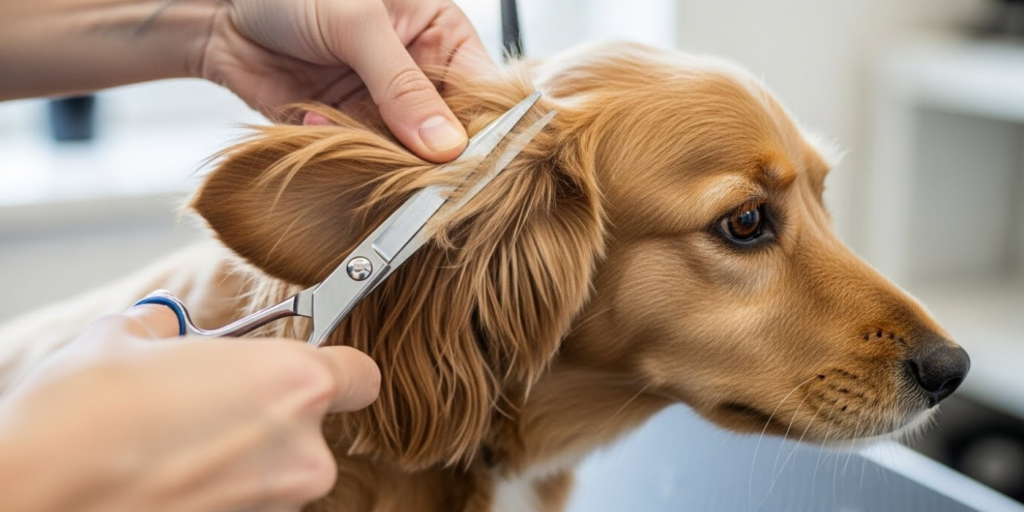
For breeds with hair in the ear canal (like Poodles or Bichons), excess hair traps wax and moisture—creating infection hotspots.
Safe Grooming Practices:
- Pluck gently during grooming sessions (only if your dog tolerates it—never force).
- Trim hair around the ear flap to improve airflow.
- Ask your groomer or vet to show you the right technique.
Never pluck if ears are red or sore—this can worsen irritation. In those cases, focus on cleaning and drying, and let hair grow out.
“My groomer started trimming my Shih Tzu’s ear hair instead of plucking. No more infections!” — Lena
7. Check Ears Weekly—Make It a Habit
Prevention starts with early detection. A quick weekly check takes 30 seconds but can save days of discomfort and vet bills.
What to Look For:
🟢 Healthy ears:
- Pale pink color
- Minimal light-brown wax
- No odor
- No redness or swelling
🔴 Warning signs:
- Dark brown, yellow, or bloody discharge
- Strong, yeasty or foul smell
- Redness, swelling, or scabs
- Head tilt, balance issues, or hearing loss (seek vet immediately)
Make it part of bonding: Pair checks with treats and praise so your dog associates it with positivity.
8. Avoid Common Mistakes That Lead to Infections
Even well-meaning owners make these errors:
❌ Using homemade ear cleaners (vinegar, hydrogen peroxide, or essential oils)—these disrupt pH and damage tissue.
❌ Inserting cotton swabs deep into the ear—pushes debris toward the eardrum.
❌ Skipping post-swim drying—“It’s just a little water” adds up.
❌ Ignoring mild symptoms—a little head-shake today can be a full infection tomorrow.
Remember: Your dog’s ears are delicate. When in doubt, ask your vet or groomer.
9. When to See the Vet (Don’t Wait!)
While prevention is powerful, some infections need professional care. Contact your vet if you notice:
- Persistent head-shaking or scratching
- Discharge, odor, or swelling
- Your dog seems in pain (whining, avoiding touch)
- Symptoms return within weeks of treatment
Untreated ear infections can lead to:
- Ruptured eardrums
- Hearing loss
- Chronic pain
- Deep tissue infections
Your vet may prescribe medicated ear drops, oral antibiotics, or anti-inflammatories—and show you how to apply them correctly.
10. Build a Prevention Routine That Works for Your Lifestyle
You don’t need to overhaul your life—just integrate ear care into existing habits.
- After every bath or swim: 2-minute ear drying
- During weekly brushing: 30-second ear check + cleaning if needed
- At grooming appointments: Request ear hair maintenance
- During allergy season: Increase omega-3s and paw wiping
Make it a team effort: Involve kids in gentle ear checks (with supervision)—it teaches empathy and responsibility.
“We made ‘Ear Check Sundays’ part of our family routine. My dog gets treats, and we catch issues early.” — James
Conclusion: Prevention Is Love in Action
Preventing ear infections isn’t about perfection—it’s about consistent, caring attention to one of your dog’s most vulnerable areas.
Every time you dry their ears after a swim, check for redness, or choose a gentle cleaner, you’re not just avoiding vet visits. You’re giving your dog the gift of comfort, pain-free play, and the simple joy of a good head shake without agony.
Because a dog who feels good in their own body is free to be their happy, energetic, loving self. And that’s what every pup deserves.
So grab that ear cleaner, give those ears a gentle peek, and know that your care makes all the difference.
Now we’d love to hear from you: Has your dog struggled with ear infections? What prevention tip worked best for you? Share your story or questions in the comments below—your experience could help another dog parent keep their pup’s ears healthy and happy! 🐾💙

Mary Brown is a devoted pet enthusiast with a lifelong passion for animals of all kinds. From volunteering at local shelters to creating cozy, enriching spaces for her own furry family, she believes that every pet deserves love, comfort, and attentive care. With years of hands-on experience and a heart full of empathy, Mary shares practical tips and heartfelt insights to help fellow pet parents nurture happier, healthier lives for their companions.