Introduction
Have you ever noticed your dog giving you that guilty-but-adorable look after rolling in something smelly at the park? Or maybe you’ve caught them licking their paws obsessively—and wondered if it’s normal or a sign of trouble? As much as we love our furry companions, keeping them clean and healthy isn’t just about fresh breath or a shiny coat. It’s about preventing illness, catching problems early, and ensuring your dog lives a longer, happier life.
Yet, many well-meaning pet parents overlook daily hygiene until an issue arises—like an ear infection, matted fur, or bad breath that clears a room. The truth is, consistent, simple hygiene routines can solve (or avoid) 80% of common dog health problems before they start.
In this article, we’ll walk you through the essential daily hygiene habits every dog owner should practice—from checking ears and brushing teeth to paw care and coat maintenance. These aren’t time-consuming chores; they’re quick, loving rituals that strengthen your bond while protecting your pup’s well-being. Whether you have a fluffy Pomeranian or a sleek Doberman, these tips apply to all breeds, ages, and lifestyles. Let’s dive in and turn daily care into a seamless part of your routine—because a clean dog is a healthy, confident, and joyful one.
1. Brush Their Teeth—Yes, Daily (Or Almost!)
Let’s start with one of the most neglected—but critical—habits: dental care. According to the American Veterinary Dental College, over 80% of dogs show signs of dental disease by age three. And it’s not just about bad breath; untreated dental issues can lead to heart, kidney, and liver problems due to bacteria entering the bloodstream.
Yet, many owners assume kibble or chew toys are enough. While they help, they don’t replace brushing.
Make it simple:
- Use a dog-specific toothbrush (finger brushes work great for beginners) and vet-approved toothpaste (never human toothpaste—it’s toxic to dogs).
- Start slowly: let your dog taste the toothpaste, then gently rub a few teeth. Praise heavily.
- Aim for 30 seconds on the outer surfaces—that’s where plaque builds fastest.
- Do it after dinner, when your dog is calm.
Even brushing 3–4 times a week makes a huge difference. But if you can build it into your nightly wind-down routine—alongside your own brushing—it becomes second nature. Think of it as love with a toothbrush: a small act with lifelong benefits.
2. Check and Clean Their Ears Weekly (But Observe Daily)
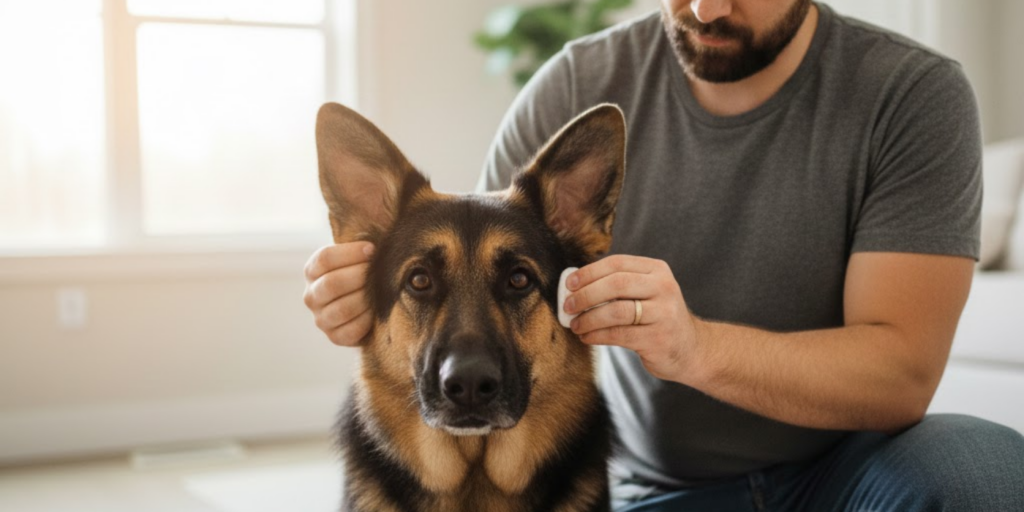
Your dog’s ears are more than just cute floppy or perky features—they’re complex, sensitive organs prone to infection, especially in breeds with long ears (like Basset Hounds) or hairy ear canals (like Poodles).
While deep cleaning isn’t needed every day, a quick daily glance can catch trouble early. Look for:
- Redness or swelling
- Dark, waxy buildup
- Foul odor
- Excessive head shaking or scratching
What’s normal? A light coating of pale yellow or light brown wax and no smell.
Weekly care tip:
- Use a veterinarian-recommended ear cleaner (never alcohol or hydrogen peroxide).
- Squeeze a few drops into the ear canal, gently massage the base, then let your dog shake.
- Wipe the outer ear with a cotton ball—never insert anything deep into the canal.
Dogs who swim or bathe frequently need extra attention—moisture breeds yeast and bacteria. A quick dry with a soft towel after water exposure goes a long way.
By making ear checks part of your cuddle time (“Let me see those ears, sweetie!”), you turn prevention into connection.
3. Inspect and Care for Their Paws—Every Single Day
Your dog’s paws are their shoes, shock absorbers, and sensory tools—all in one. Yet they’re constantly exposed to hot pavement, icy salt, burrs, gravel, and chemicals. Daily paw checks take less than a minute but prevent pain, infection, and limping.
After walks, make it a habit to:
- Gently press between the pads to remove debris (pebbles, grass seeds, gum—yes, it happens!).
- Look for cuts, cracks, redness, or swelling.
- Check nails: if you hear clicking on hard floors, they’re too long.
- Smell them: a strong “corn chip” odor can signal a yeast infection.
Pro tip: Keep a paw balm (like Musher’s Secret) on hand for dry or cracked pads—especially in winter or summer. And trim nails every 2–4 weeks to avoid overgrowth, which can alter your dog’s gait and cause joint stress.
For anxious dogs, start by massaging one paw while offering treats. Over time, they’ll associate paw handling with comfort—not fear.
4. Brush Their Coat Regularly—Yes, Even Short-Haired Dogs
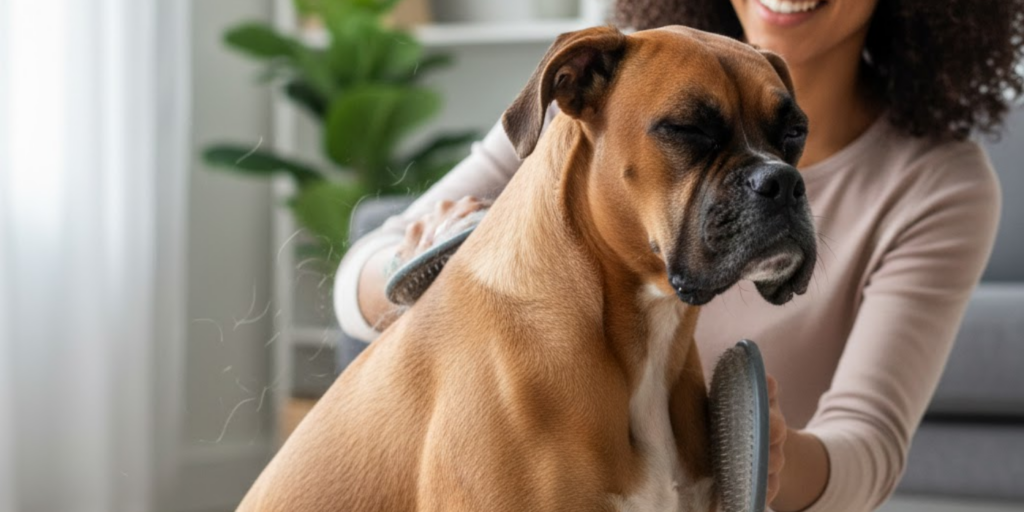
Brushing isn’t just for long-haired breeds. All dogs benefit from regular coat care, and the frequency depends on their fur type:
- Short-haired dogs (e.g., Boxers, Beagles): Brush 1–2 times per week to remove dead hair and distribute natural oils.
- Double-coated breeds (e.g., Huskies, Golden Retrievers): Brush 3–5 times per week, especially during shedding season.
- Curly or corded coats (e.g., Poodles, Komondors): Daily brushing or combing prevents painful mats.
Why it matters: Mats pull on the skin, trap moisture (leading to hot spots), and hide ticks or lumps. Brushing also stimulates blood flow and gives you a chance to spot skin issues early—like rashes, bumps, or parasites.
Use the right tool: slicker brushes for undercoats, bristle brushes for short hair, combs for tangles. Keep sessions short and positive—pair with treats or do it during TV time.
And remember: a clean coat starts with a clean environment. Wash dog beds weekly and vacuum often to reduce allergens and shedding indoors.
5. Keep Their Eyes Clean and Monitor for Changes
Dogs can’t tell us when their eyes itch, burn, or blur—but you can notice the signs. Some breeds (like Shih Tzus or Pugs) naturally produce more tear stains, but sudden changes warrant attention.
Daily eye care is simple:
- Use a soft, damp cloth or vet-approved eye wipe to gently clean crust or discharge from the corners.
- Never use human eye drops unless directed by a vet.
- Watch for redness, cloudiness, squinting, or excessive tearing.
When to call the vet:
- Green or yellow discharge (sign of infection)
- One pupil larger than the other
- Your dog bumping into things
Early detection of conditions like glaucoma, cataracts, or corneal ulcers can save your dog’s vision. Plus, a quick wipe each morning keeps those puppy-dog eyes sparkling.
6. Maintain a Clean Feeding and Water Area
Hygiene isn’t just about your dog—it’s about their environment too. Food and water bowls are breeding grounds for bacteria if not cleaned regularly.
A study by NSF International found that pet bowls rank among the germiest household items—dirtier than kitchen sinks or cutting boards!
Stay on top of it:
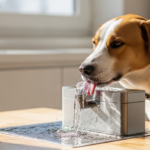
- Wash food and water bowls daily with hot, soapy water (or run them through the dishwasher if safe).
- Use stainless steel or ceramic bowls—they’re non-porous and easier to sanitize than plastic (which scratches and harbors bacteria).
- Wipe down the feeding area to remove crumbs and spills that attract ants or mold.
- Refresh water at least twice a day—stale water discourages hydration.
Bonus: Place a washable mat under bowls to catch splashes and simplify cleanup. Your dog (and your floors) will thank you.
7. Bathe Smart—Not Too Much, Not Too Little
Contrary to popular belief, bathing your dog too often can do more harm than good. Over-bathing strips natural oils, leading to dry, itchy skin.
Most dogs only need a bath every 4–8 weeks, unless they get into something stinky or dirty. Between baths, use dry shampoos or rinse-free foams for freshening up.
When you do bathe:
- Use a dog-specific shampoo (human shampoos disrupt pH balance).
- Brush thoroughly first to remove tangles.
- Protect ears with cotton balls (don’t push deep).
- Rinse completely—leftover shampoo causes irritation.
- Dry thoroughly, especially in skin folds (hello, Bulldogs!).
Make bath time calm and positive: use warm water, soft sponges, and lots of praise. Never punish or rush. Over time, your dog may even start to enjoy it!
The Bigger Picture: Hygiene as Love in Action
Daily hygiene isn’t about perfection—it’s about presence. These small acts of care show your dog they’re seen, valued, and protected. And in return, you gain early warnings about health issues, fewer vet bills, and a cleaner, more comfortable home.
More than that, routines like brushing or paw checks build trust and cooperation—making future vet visits, nail trims, or medication easier. You’re not just cleaning your dog; you’re deepening your relationship.
Conclusion
From dental care to paw checks, daily hygiene is the quiet foundation of your dog’s health and happiness. These habits don’t require fancy tools or hours of your day—just consistency, kindness, and a little awareness. By integrating these seven practices into your routine, you’ll catch problems early, prevent discomfort, and give your dog the gift of feeling their best every single day.
So, start tonight: after dinner, brush those teeth. After your walk, check those paws. During morning cuddles, glance at those eyes. Small actions, repeated, create big results.
Now we’d love to hear from you! Which hygiene habit do you already do—and which one will you try this week? Share your tips or questions in the comments below. And if this guide helped you, pass it on to a fellow dog parent who wants their pup to thrive. Because every dog deserves to feel clean, cared for, and deeply loved—one gentle wipe at a time.

Mary Brown is a devoted pet enthusiast with a lifelong passion for animals of all kinds. From volunteering at local shelters to creating cozy, enriching spaces for her own furry family, she believes that every pet deserves love, comfort, and attentive care. With years of hands-on experience and a heart full of empathy, Mary shares practical tips and heartfelt insights to help fellow pet parents nurture happier, healthier lives for their companions.