Introduction
You’re halfway through your sandwich when your dog gives you that look—big eyes, wagging tail, head tilted like they’re asking, “Can I have just a bite?” It’s hard to say no. But here’s the truth: not everything on your plate is safe for your pup. In fact, some human foods can cause mild stomach upset, while others can lead to life-threatening emergencies—sometimes within hours.
Every year, thousands of dogs end up at veterinary clinics because of accidental food poisoning. The heartbreaking part? Most of these cases are completely preventable. As loving pet parents, we often assume that if it’s okay for us, it’s okay for them. But dogs metabolize food very differently than humans—and what seems harmless can be toxic.
In this article, we’ll walk you through the top human foods you should never feed your dog, explain why they’re dangerous, and share real-life examples of what can go wrong. More importantly, you’ll learn safer alternatives so you can still treat your furry friend without putting their health at risk. Because when it comes to your dog’s diet, a little knowledge goes a long way toward keeping them happy, healthy, and by your side for years to come.
Chocolate: More Than Just a Sweet Temptation
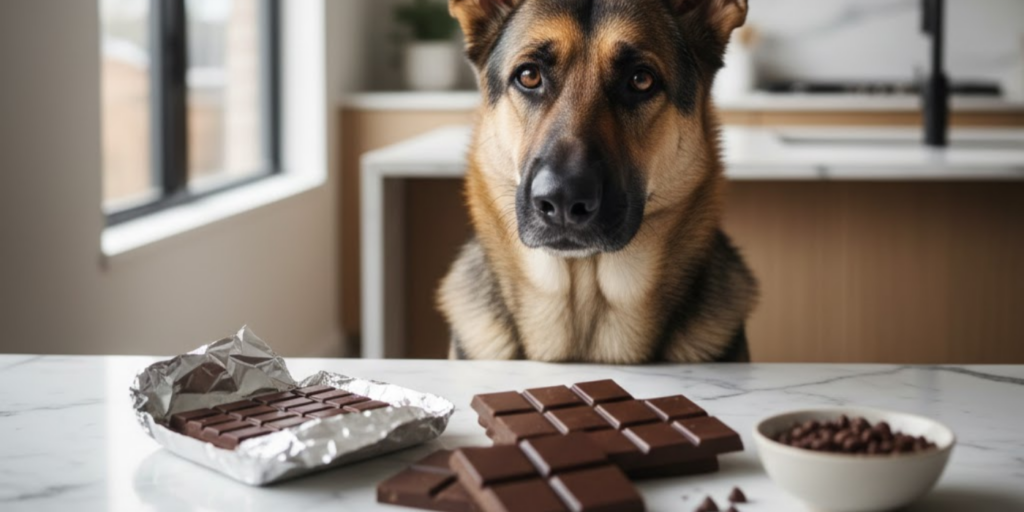
Let’s start with one of the most well-known—but still commonly misunderstood—dog dangers: chocolate. While many people know it’s “bad” for dogs, not everyone realizes just how serious it can be.
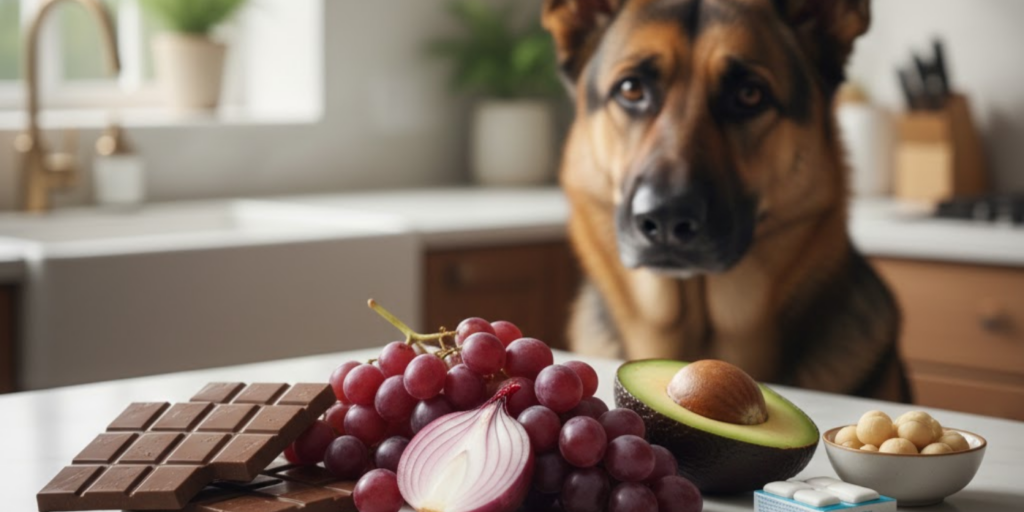
Chocolate contains two toxic compounds for dogs: theobromine and caffeine. Humans metabolize these quickly, but dogs process them very slowly, allowing them to build up to dangerous levels in the bloodstream. The darker the chocolate, the higher the concentration—meaning baking chocolate and dark chocolate are the most dangerous, followed by milk chocolate. White chocolate contains minimal theobromine but is still high in fat and sugar, which can cause pancreatitis.
Symptoms of chocolate poisoning include vomiting, diarrhea, rapid breathing, restlessness, muscle tremors, seizures, and even heart failure. Just one ounce of baking chocolate can poison a 10-pound dog.
Imagine this: during a family movie night, a toddler drops a piece of dark chocolate on the floor. Your dog snatches it before you notice. Within an hour, they’re panting heavily and can’t settle down. This isn’t rare—it happens more often than you think.
What to do? If you suspect your dog ate chocolate, call your vet or the ASPCA Animal Poison Control Center immediately (888-426-4435). Time is critical.
Instead of sharing your dessert, keep dog-safe treats like carrot sticks or plain pumpkin puree nearby. They’ll satisfy your pup’s urge to join in—without the risk.
Grapes and Raisins: Tiny Fruits, Huge Danger
Here’s a shocker: grapes and raisins—completely natural, healthy for humans—are highly toxic to dogs, and no one knows exactly why. Even a small handful can cause acute kidney failure in some dogs, sometimes within 24 hours.
There’s no known “safe” amount. Some dogs react severely to just one or two grapes; others may seem fine initially but develop symptoms hours later. Early signs include vomiting, lethargy, loss of appetite, and abdominal pain. Within 1–3 days, kidney damage can become irreversible.
Veterinarians believe the toxicity may be linked to a mycotoxin (a fungus-derived compound) or a salicylate-like substance in the fruit—but the exact mechanism remains a mystery. What is clear: never assume your dog is “the exception.”
Consider this real scenario: a family makes fruit salad with grapes. Afterward, they toss the peelings in the compost bin—but their curious Labrador digs them out and eats them. By morning, the dog is dehydrated and refusing water. A rushed trip to the ER and $2,000 in vet bills later, the dog survives—but only because treatment started early.
Prevention tip: Keep grapes and raisins (including trail mix, granola bars, or baked goods containing them) well out of reach. Teach kids not to share snacks with pets.
And remember: currants and sultanas are equally dangerous—they’re just different varieties of dried grapes.
Onions, Garlic, and Chives: The Silent Threat in Your Kitchen
You might toss a bit of cooked onion into your dog’s kibble as a “flavor boost,” thinking it’s harmless. But all members of the Allium family—onions, garlic, leeks, chives, and shallots—are toxic to dogs, whether raw, cooked, powdered, or dehydrated.
These foods contain thiosulfate, which damages red blood cells and leads to hemolytic anemia—a condition where the body destroys its own oxygen-carrying cells. Symptoms include weakness, pale gums, rapid heart rate, vomiting, and dark-colored urine (like cola). In severe cases, a blood transfusion may be needed.
Garlic is especially concentrated—some sources claim it takes about 15–30 grams of garlic per kilogram of body weight to cause harm, but sensitive dogs can react to far less. And onion powder is sneaky: it’s in baby food, broths, gravies, and even some “natural” dog treats.
Think about this: you’re making chicken soup and use a store-bought broth that lists “natural flavors”—which often include onion powder. You give your dog the leftover meat and broth. A few days later, they’re unusually tired and won’t play fetch. Blood work reveals anemia.
Safe swap: Skip the Alliums entirely. Want to add flavor? Try a splash of low-sodium bone broth (onion-free!) or a sprinkle of parsley—safe and fresh-smelling.
Xylitol: The Hidden Killer in “Healthy” Products
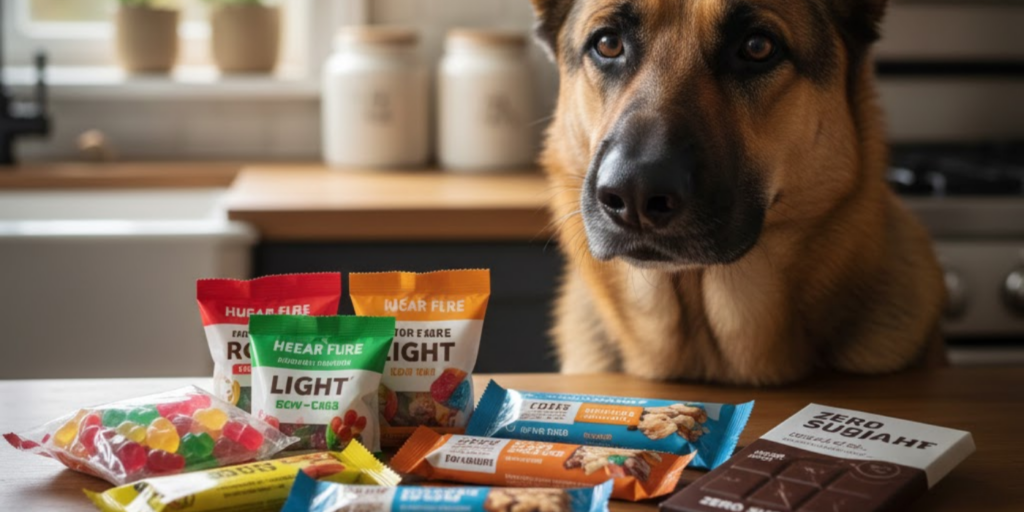
This one catches even the most cautious pet owners off guard. Xylitol is a sugar alcohol used as a sweetener in countless “sugar-free” or “low-calorie” products—gum, mints, peanut butter, protein bars, toothpaste, even some medications.
For humans, xylitol is safe. But for dogs, it’s extremely toxic—and fast-acting. Within 10–60 minutes of ingestion, it triggers a massive release of insulin, causing dangerously low blood sugar (hypoglycemia). At higher doses, it can lead to liver failure in as little as 24–48 hours.
Just one piece of xylitol-sweetened gum can poison a small dog. A 2018 study found that over 70% of “natural” peanut butters marketed to health-conscious consumers contained xylitol—many without clear labeling.
Imagine giving your dog a spoonful of peanut butter as a treat—only to find out too late it contains xylitol. Within an hour, they’re stumbling, weak, and having seizures. This is a true emergency requiring immediate IV dextrose and intensive care.
Always check labels. Look for “xylitol,” “birch sugar,” or “sugar alcohol” in the ingredients. Stick to dog-safe peanut butter brands like Whole Foods’ 365 or Jif Natural (which contain only peanuts and salt).
When in doubt, skip the human food entirely.
Alcohol, Caffeine, and Raw Yeast Dough: Less Obvious But Equally Dangerous
Not all dangerous foods are “snacks.” Some everyday items hiding in your kitchen pose serious risks:
- Alcohol: Even small amounts can cause vomiting, disorientation, difficulty breathing, and coma. Dogs are much smaller than humans—so a few sips of beer or wine, or even unbaked rum cake, can be fatal.
- Caffeine: Found in coffee, tea, energy drinks, and diet pills. Like chocolate, it stimulates the nervous system. Symptoms include restlessness, rapid heart rate, tremors, and collapse.
- Raw yeast dough: When a dog eats unbaked bread dough, the yeast continues to ferment in their warm stomach, producing alcohol and gas. This can cause bloating (a life-threatening condition called GDV) and alcohol poisoning simultaneously.
Picture this: you’re baking bread, and your dog sneaks a chunk of dough off the counter. An hour later, their belly is distended, they’re retching, and they can’t lie down comfortably. This is a double emergency—and time is critical.
Prevention is simple: keep countertops clear, secure trash cans, and never leave drinks unattended around curious pups.
Avocados, Macadamia Nuts, and Other Surprising No-Nos
While the foods above are the most critical, several others deserve your attention:
- Avocados: Contain persin, a fungicidal toxin that can cause vomiting and diarrhea in dogs. The pit is also a choking hazard.
- Macadamia nuts: Even a few nuts can cause weakness, tremors, fever, and hind-leg paralysis in dogs. The exact toxin is unknown, but symptoms usually appear within 12 hours.
- Cooked bones: They splinter easily, leading to choking, intestinal blockages, or perforations. Never give your dog poultry or pork bones.
- Excessively fatty foods: Bacon grease, fried chicken skin, or holiday trimmings can trigger pancreatitis—a painful, potentially fatal inflammation of the pancreas.
On the flip side, many human foods are safe in moderation: apples (no seeds), blueberries, carrots, green beans, plain cooked chicken, and plain yogurt (if your dog tolerates dairy).
Golden rule: When introducing any new food, start with a tiny amount and watch for digestive upset.
What to Do If Your Dog Eats Something Toxic
Despite your best efforts, accidents happen. If you suspect your dog ingested something dangerous:
- Stay calm—your dog will mirror your energy.
- Identify what they ate and how much (check packaging if possible).
- Call your vet or the ASPCA Animal Poison Control Center (888-426-4435) immediately. There’s a $65 consultation fee, but it’s worth it.
- Do NOT induce vomiting unless instructed—some toxins cause more harm coming back up.
Having emergency info saved in your phone and keeping activated charcoal or hydrogen peroxide (only if approved by a vet) on hand can help—but never act without professional guidance.
Conclusion
Feeding your dog is an act of love—but love also means knowing what not to share. From chocolate and grapes to hidden xylitol and raw dough, everyday foods can pose serious, even fatal, risks to your furry companion. The good news? With awareness and a few simple habits—like reading labels, securing trash, and choosing dog-safe treats—you can prevent most of these emergencies before they happen.
Your dog trusts you to keep them safe. By learning which foods to avoid and why, you’re honoring that trust every single day. So the next time those pleading eyes meet yours over dinner, you’ll know exactly how to respond—with a safe alternative and peace of mind.
Have you ever had a close call with a toxic food? Did your vet warn you about something unexpected? Share your story in the comments—we can all learn from each other’s experiences. And if this guide helped you feel more confident as a pet parent, pass it along to a friend who loves their dog as much as you love yours. Because every pup deserves a safe, happy, and healthy life.

Mary Brown is a devoted pet enthusiast with a lifelong passion for animals of all kinds. From volunteering at local shelters to creating cozy, enriching spaces for her own furry family, she believes that every pet deserves love, comfort, and attentive care. With years of hands-on experience and a heart full of empathy, Mary shares practical tips and heartfelt insights to help fellow pet parents nurture happier, healthier lives for their companions.