Introduction
Big personality in a tiny package—that’s the Chihuahua in a nutshell. Despite weighing as little as 2 pounds and fitting snugly in a purse, this pint-sized pup has ruled hearts (and Hollywood red carpets) for decades. But there’s so much more to Chihuahuas than their sassy strut and oversized eyes. From ancient royal connections to surprising survival instincts, these little dogs are packed with fascinating quirks most owners never discover.
Whether you’ve had your Chihuahua for years or are considering adopting one, understanding their unique history, behavior, and needs can deepen your bond and help you care for them better. In this article, we’ll uncover fun, surprising, and useful facts every Chihuahua owner should know—from why they shiver constantly to how they once lived in sacred temples. You’ll also get practical tips rooted in these insights, so your tiny companion doesn’t just survive, but thrives.
So grab your favorite blanket (your Chi might already be on it), and let’s dive into the wonderfully bold, clever, and ancient world of the Chihuahua!
They’re One of the Oldest Dog Breeds in the Americas
Long before they became fashion accessories, Chihuahuas walked the earth as sacred companions to ancient civilizations. In fact, they’re believed to be descendants of the Techichi, a small, mute dog kept by the Toltec people of Mexico as early as the 9th century.
Archaeological evidence—like clay sculptures and burial sites—shows that these dogs weren’t just pets; they held spiritual significance. The Aztecs believed Chihuahuas could guide human souls through the afterlife, even absorbing sins to help their owners reach the next world. Some were buried with their humans as guides; others were ceremonially sacrificed for this very purpose.
This deep cultural history explains a lot about their modern behavior. Their alertness, loyalty, and even their occasional “selective hearing” may stem from centuries of being revered—not trained as workers, but cherished as spiritual allies.
Why it matters today: Understanding this heritage helps you appreciate why your Chihuahua acts more like a tiny guardian than a passive lapdog. They’re not “yappy” without reason—they’re wired to be vigilant, expressive, and deeply bonded to their chosen person.
So next time your Chi barks at a leaf blowing by, remember: they’re not overreacting. They’re honoring 1,000 years of watchdog DNA.
That Shivering Isn’t (Always) About Being Cold
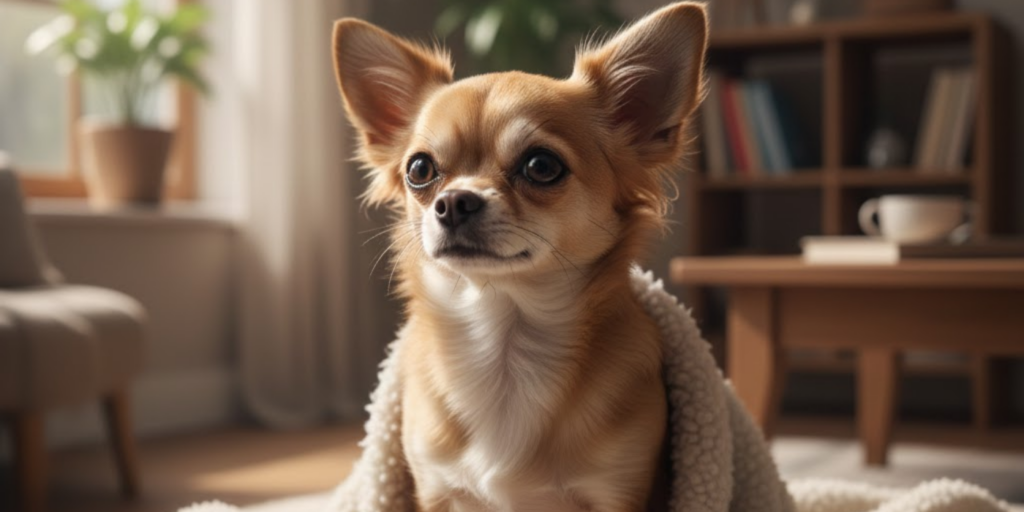
If you’ve ever held a Chihuahua, you’ve probably felt them tremble—sometimes violently—even in a warm room. Many assume it’s because they’re cold (and sure, their small size and thin coat make them sensitive to temperature). But shivering in Chihuahuas is often emotional, not physical.
These dogs have high metabolisms and sensitive nervous systems, which means excitement, anxiety, fear, or even joy can trigger trembling. It’s their way of releasing adrenaline—similar to how humans might shake after a scare or a big laugh.
That said, temperature regulation is still a real concern. With minimal body fat and a large surface-area-to-volume ratio, Chihuahuas lose heat quickly. In temperatures below 60°F (15°C), they can become uncomfortably cold—especially short-haired varieties.
Practical tips:
- Keep a light sweater or fleece jacket handy for walks in cool weather
- Provide a heated pet bed or cozy blanket near a sunny window
- Avoid over-bundling indoors—it can cause overheating
Most importantly, don’t punish shivering. Comfort them with calm words and gentle petting. Over time, as they build confidence, nervous trembling often decreases.
Fun fact: Some Chihuahuas “shiver-smile”—a happy wiggle that looks like a full-body quiver when they see their favorite person. It’s not fear—it’s pure joy, tiny-dog style.
They’re Surprisingly Athletic (Yes, Really!)
Don’t let their size fool you: Chihuahuas are natural athletes with impressive speed, agility, and endurance—for their scale. In the wild, their ancestors needed to be quick to avoid predators, and that instinct remains strong.
Many Chihuahuas excel in dog sports like agility, rally obedience, and even flyball. The American Kennel Club (AKC) has crowned Chihuahuas as top performers in beginner agility classes, thanks to their sharp focus and eagerness to please their owners.
Moreover, they love interactive play. A game of fetch with a lightweight toy, hide-and-seek with treats, or chasing bubbles can provide both physical exercise and mental stimulation.
Why this matters: Too many Chihuahuas are treated as delicate ornaments, carried everywhere and rarely allowed to run. But lack of exercise leads to behavioral issues—like excessive barking, chewing, or anxiety.
Try this: Dedicate 15–20 minutes twice a day to active play. Use indoor obstacle courses (cushions, tunnels, low jumps) on rainy days. Not only will your Chi burn energy, but they’ll sleep better and bond more deeply with you.
As one agility trainer puts it: “A tired Chihuahua is a quiet, happy Chihuahua.”
The “Apple Head” vs. “Deer Head” Mystery
Not all Chihuahuas look alike—and the difference goes beyond fluffiness. There are actually two distinct head types: Apple Head and Deer Head.
- Apple Head Chihuahuas have a rounded skull, pronounced “stop” (the dip between eyes and nose), and large, wide-set eyes. This is the official AKC breed standard and the look most people picture.
- Deer Head Chihuahuas have a longer muzzle, flatter skull, and larger ears—resembling a young deer. They’re often slightly larger and may be healthier due to fewer brachycephalic (flat-faced) issues.
Despite both being purebred, Deer Heads are sometimes dismissed by show breeders, even though they’re equally authentic. In fact, many working or companion Chihuahuas in Mexico are Deer Heads—it’s the Apple Head that was refined for Western show rings.
Health note: Apple Heads can be prone to dental crowding, breathing issues, and hydrocephalus (fluid on the brain) due to their domed skulls. Deer Heads often have fewer of these problems.
What this means for you: If you’re adopting, don’t fixate on “looks.” Focus on temperament, health, and how well the dog fits your lifestyle. Both types can be loving, loyal, and full of personality.
And fun bonus: Long-haired and short-haired Chihuahuas can be born in the same litter! Coat length is controlled by a single gene, making every puppy a delightful surprise.
Chihuahuas Form “Velcro” Bonds (And That’s Okay)

Chihuahuas are famously one-person dogs. They often pick a favorite human and follow them room to room, nap on their lap, and even “guard” them from strangers (or the vacuum cleaner). This intense loyalty isn’t clinginess—it’s deep-rooted pack behavior.
In the wild, small dogs survived by staying close to their group for protection. Today, that instinct translates into your Chi wanting to be wherever you are—even if it’s just you sitting on the toilet.
While this bond is endearing, it can lead to separation anxiety if not managed. Signs include whining, destructive chewing, or accidents when left alone.
How to help:
- Practice short, calm departures (leave the room for 30 seconds, then return)
- Create a safe space with their bed, toys, and a piece of your clothing
- Use puzzle feeders or stuffed Kongs to keep them occupied
- Avoid making a big fuss when leaving or returning
Remember: Their devotion is a gift. They’ve chosen you as their person. Honor that trust with patience and gentle training.
As one owner shared: “My Chihuahua doesn’t just sleep next to me—she sleeps on my chest, like a furry heartbeat monitor. It’s not neediness. It’s love in its purest, tiniest form.”
They’re Full of Surprising “Superpowers”
Beyond their charm, Chihuahuas possess some lesser-known talents:
- Low dander, but not hypoallergenic: While no dog is truly hypoallergenic, Chihuahuas produce less dander than many breeds—making them a better choice for mild allergy sufferers (especially the smooth-coat variety).
- Excellent watchdogs: Their sharp hearing and alert nature mean they’ll bark at the mail carrier, a passing squirrel, or even a change in barometric pressure. They may be small, but they’ve got the lungs of a much larger dog!
- Long lifespans: With proper care, Chihuahuas often live 14–20 years—one of the longest lifespans of any dog breed. That tiny companion could be with you through decades of life changes.
- Therapy potential: Despite their reputation for sass, many Chihuahuas excel as therapy dogs in hospitals and nursing homes, bringing comfort with their gentle presence and expressive eyes.
Their size also makes them ideal apartment dogs, easy to travel with, and perfect for seniors or people with limited mobility.
Conclusion
Owning a Chihuahua isn’t just about having a cute, pocket-sized pet—it’s about sharing your life with a dog full of ancient wisdom, fierce loyalty, and surprising resilience. From their sacred roots in Mesoamerican temples to their modern-day roles as companions, athletes, and even therapy heroes, Chihuahuas continually defy expectations.
By understanding their history, respecting their sensitivity, encouraging their athleticism, and embracing their unique quirks, you can give your tiny friend the rich, fulfilling life they deserve. After all, they may be small in stature—but their impact on your heart is enormous.
So next time your Chihuahua shivers on your lap, barks at a shadow, or steals your spot on the couch, smile. You’re not just living with a dog—you’re living with a piece of living history, wrapped in fur and full of love.
We’d love to hear from you!
What’s the most surprising thing your Chihuahua has done? Do you have an Apple Head or a Deer Head? Share your stories, photos, or favorite Chi facts in the comments below! And if you know a fellow Chihuahua lover, pass this article along—they’ll thank you (and so will their tiny best friend). 🐾💖

Mary Brown is a devoted pet enthusiast with a lifelong passion for animals of all kinds. From volunteering at local shelters to creating cozy, enriching spaces for her own furry family, she believes that every pet deserves love, comfort, and attentive care. With years of hands-on experience and a heart full of empathy, Mary shares practical tips and heartfelt insights to help fellow pet parents nurture happier, healthier lives for their companions.