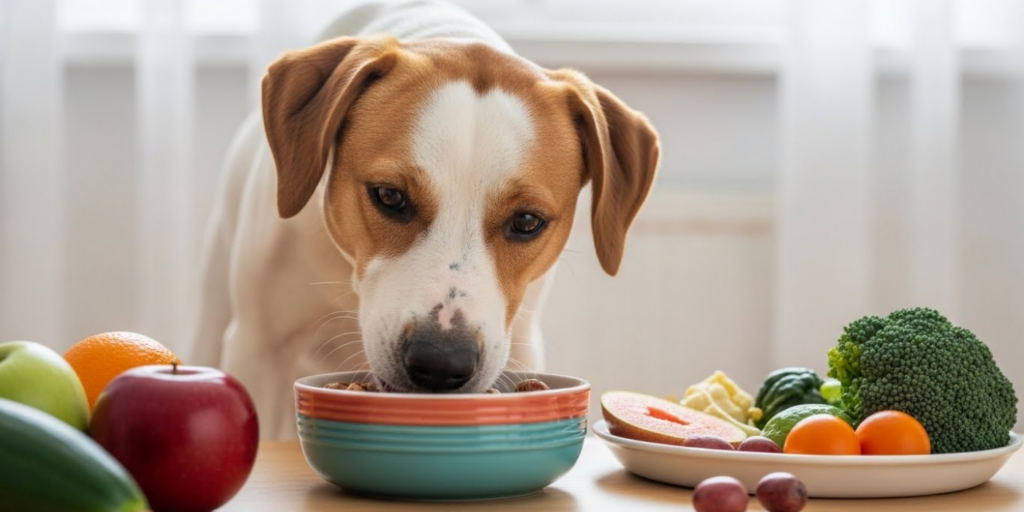
You’re sipping your morning coffee, flipping pancakes, or stirring oatmeal—and your dog is staring at you with those big, hopeful eyes. “Can I have some?” they seem to ask. While sharing your breakfast might feel like a sweet gesture, not all human foods are safe (or healthy) for dogs. But what if you could whip up a nutritious, dog-friendly breakfast that supports their energy, digestion, and overall well-being?
Good news: you absolutely can! While most dogs thrive on a consistent, high-quality commercial diet, adding a healthy, balanced breakfast topping or occasional meal can boost nutrition, support special needs (like weight management or sensitive stomachs), and strengthen your bond through shared routines.
In this guide, we’ll share safe, simple, and vet-approved healthy breakfast ideas for your dog—from protein-packed scrambles to digestive-friendly blends. You’ll learn which human foods are safe (and which are dangerous), how to serve them in the right portions, and when to consult your vet before making changes. Whether you’re looking to add variety, address a health concern, or just treat your pup to a special morning meal, these ideas will keep tails wagging—safely.
So grab your mixing bowl, and let’s cook up some love!
1. Should Dogs Even Eat Breakfast? Understanding Canine Meal Timing
First things first: Do dogs need breakfast?
Unlike humans, dogs don’t require three meals a day—but many benefit from it. Puppies, seniors, small breeds, and dogs with medical conditions (like diabetes) often do best with two smaller meals to maintain blood sugar and energy. Adult dogs can usually thrive on one or two meals, depending on their size, activity level, and routine.
Key point: If you’re feeding a complete and balanced commercial food, that alone meets all nutritional needs. Breakfast “extras” should be treats or toppers—not meal replacements—unless you’re working with a veterinary nutritionist on a homemade diet.
Rule of thumb: Keep extras under 10% of your dog’s daily calories. The other 90% should come from a nutritionally complete dog food.
2. Safe & Unsafe Human Foods: Know Before You Share
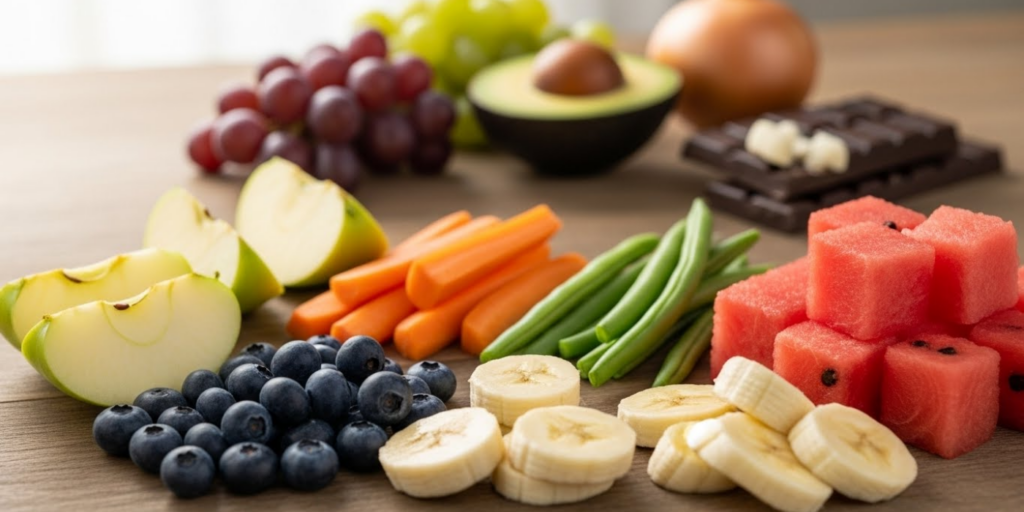
Not everything on your plate is fair game. Some common breakfast foods are toxic to dogs:
🚫 Never feed:
- Onions, garlic, chives (damage red blood cells)
- Grapes or raisins (cause kidney failure)
- Xylitol (found in sugar-free syrup or yogurt—can cause deadly hypoglycemia)
- Chocolate or caffeine
- Raw bread dough (expands in the stomach, releases alcohol)
- Excess salt or butter
✅ Safe in moderation:
- Cooked eggs
- Plain oatmeal
- Cooked lean meats (chicken, turkey, beef)
- Plain yogurt (if your dog tolerates dairy)
- Blueberries, bananas, apples (no seeds)
- Cooked sweet potato or pumpkin
Always introduce new foods slowly—one at a time—to monitor for allergies or upset stomach.
3. Protein-Packed Breakfast Bowl: Eggs & Lean Meat
Protein fuels muscle, supports immunity, and keeps your dog full longer. A simple scrambled egg or lean meat bowl makes a satisfying, nutrient-rich breakfast topper.
Recipe Idea: Canine Scramble
- 1 egg, scrambled in a non-stick pan (no oil or butter)
- 1–2 oz cooked ground turkey or chicken (unseasoned)
- Mix with your dog’s regular kibble or serve alone as a treat
Why it works: Eggs are a complete protein with biotin and healthy fats. Lean meats provide iron and B vitamins. Avoid raw eggs—they can carry salmonella and contain avidin, which interferes with biotin absorption.
Portion guide:
- Small dogs (under 20 lbs): ½ egg + 1 oz meat
- Medium dogs (20–50 lbs): 1 egg + 1–2 oz meat
- Large dogs (50+ lbs): 1–2 eggs + 2–3 oz meat
Pro tip: Save leftover plain cooked meat from dinner prep—freeze in portions for easy breakfasts!
4. Digestive-Friendly Oatmeal Bowl (Great for Sensitive Stomachs)
Got a dog with a finicky gut? Plain, unsweetened oatmeal is a gentle, fiber-rich carbohydrate that’s easy to digest and helps regulate bowel movements.
Recipe Idea: Soothing Oatmeal Mix
- ¼–½ cup cooked oatmeal (made with water, not milk)
- 1 tbsp plain canned pumpkin (not pie filling!)
- 1 tsp plain yogurt (optional, if dairy-tolerant)
- Sprinkle of ground flaxseed (for omega-3s)
Benefits: Oats provide soluble fiber; pumpkin adds insoluble fiber—great combo for diarrhea or constipation. Yogurt offers probiotics (if tolerated).
Avoid: Flavored oatmeal packets (loaded with sugar, xylitol, or artificial sweeteners).
Serving tip: Cool completely before serving—hot oatmeal can burn a dog’s mouth.
5. Fresh Fruit & Veggie Boost: Antioxidants in Every Bite
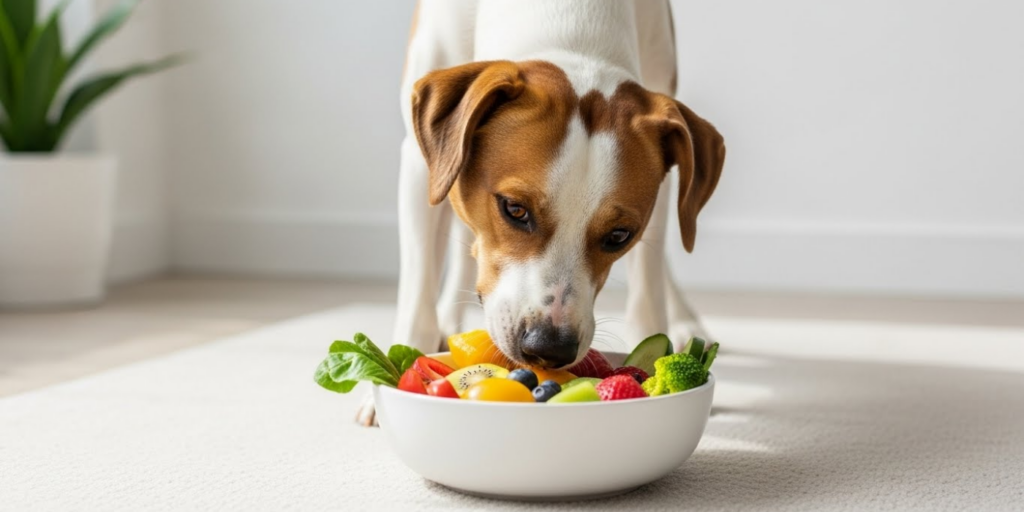
Fruits and veggies add vitamins, antioxidants, and hydration—plus, many dogs love them!
Safe morning options:
- Blueberries: Packed with antioxidants; freeze for a crunchy treat
- Banana slices: Potassium-rich; great for energy (watch portion—high in sugar)
- Apple slices (no core or seeds): Crunchy and fiber-rich
- Steamed carrots or green beans: Low-calorie, vitamin A–rich
Recipe Idea: Crunchy Morning Medley
- 2–3 blueberries
- 2 thin apple slices (peeled if your dog has a sensitive stomach)
- 1 tbsp steamed carrots
- Mix into kibble or serve as a side
Note: Always remove seeds, pits, and peels that could be choking hazards or toxic.
6. Protein Pancakes (Yes, Really!)
Want to make weekends special? Try dog-safe protein pancakes—no flour, no sugar, just eggs and banana.
Recipe: 2-Ingredient Banana Egg Pancakes
- 1 ripe banana
- 2 eggs
- Mash banana, whisk in eggs, cook like silver-dollar pancakes in a non-stick pan
Serve: Plain, or with a dollop of plain yogurt. Never add maple syrup, honey, or nut butter (choking hazard and unnecessary sugar).
Great for: Picky eaters, underweight dogs, or as a high-value training reward.
7. Frozen Breakfast Pupsicles: Cool & Nutritious
Perfect for hot mornings or dogs who need hydration, frozen breakfast treats are fun and functional.
Recipe Ideas:
- Bone broth cubes: Low-sodium, unsalted bone broth poured into ice cube trays
- Yogurt-berry pops: Plain yogurt + mashed blueberries, frozen in molds
- Pumpkin-peanut butter swirl: Plain pumpkin + dog-safe peanut butter (xylitol-free!), frozen
Benefits: Encourages slow licking (calming activity), hydrates, and soothes teething puppies.
Caution: Avoid large frozen items that could be a choking hazard. Always supervise.
8. Homemade Breakfast for Special Needs: Weight, Allergies & Age
Tailor breakfast to your dog’s unique needs:
- For weight loss: Use lean protein + low-cal veggies (green beans, zucchini)
- For allergies: Stick to novel proteins (duck, venison) and hypoallergenic carbs (sweet potato)
- For seniors: Soft, easily digestible meals with added joint support (fish oil, turmeric*)
- For puppies: Higher protein/fat, but always balanced—consult your vet before adding extras
*Note: Turmeric can be beneficial in tiny amounts (¼ tsp for large dogs), but only with black pepper and fat for absorption—and only after vet approval.
Golden rule: If your dog has a medical condition, always check with your vet before introducing new foods.
9. What NOT to Do: Common Breakfast Mistakes
Even well-meaning owners make these errors:
🚫 Feeding table scraps daily → unbalanced, high-fat, and may include unsafe ingredients
🚫 Adding too much fat (bacon, sausage, butter) → can trigger pancreatitis
🚫 Overdoing fruit → too much sugar can upset digestion
🚫 Using “natural” peanut butter with xylitol → deadly to dogs
🚫 Replacing kibble with homemade meals without supplementation → leads to nutritional deficiencies
Remember: Breakfast extras should enhance, not replace, a balanced diet.
10. When to Skip Breakfast (or Consult Your Vet)
Not every dog needs breakfast extras—and some shouldn’t have them at all.
Avoid homemade breakfasts if your dog:
- Is on a prescription diet (e.g., for kidney or liver disease)
- Has pancreatitis or inflammatory bowel disease (unless approved by vet)
- Is overweight and you’re not tracking calories
- Shows signs of food allergies (itching, ear infections, GI upset)
Always tell your vet what you’re feeding. Bring a list to annual check-ups!
Conclusion: Breakfast with Love, Not Guesswork
Sharing a healthy breakfast with your dog can be a joyful way to start the day—as long as it’s done safely and thoughtfully. By focusing on whole, dog-safe ingredients, keeping portions appropriate, and never compromising on balanced nutrition, you can turn morning meals into moments of care, connection, and wellness.
Remember: Your dog’s primary diet should always be complete and balanced. Treats and toppers are the sprinkles on the cupcake—not the cupcake itself.
So the next time your pup gazes up at your breakfast plate, you’ll know exactly how to say “yes” in a way that’s good for their body and their heart.
Now we’d love to hear from you: What’s your dog’s favorite healthy breakfast? Have you tried any of these ideas? Share your go-to recipes, questions, or photos in the comments below—let’s inspire each other to feed with love, knowledge, and wagging tails! 🐾🥣✨

Mary Brown is a devoted pet enthusiast with a lifelong passion for animals of all kinds. From volunteering at local shelters to creating cozy, enriching spaces for her own furry family, she believes that every pet deserves love, comfort, and attentive care. With years of hands-on experience and a heart full of empathy, Mary shares practical tips and heartfelt insights to help fellow pet parents nurture happier, healthier lives for their companions.