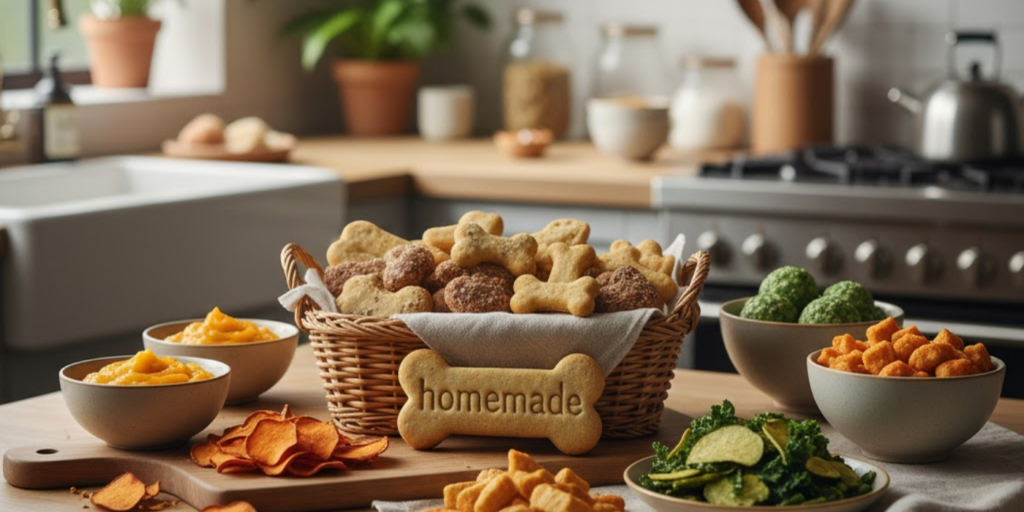
Imagine opening your pantry, grabbing a few simple ingredients, and whipping up a batch of fresh, healthy dog treats—all in the time it takes to brew a cup of coffee. No mystery preservatives, no artificial colors, and no sky-high price tags. Just real food your pup will wag for.
If you’ve ever glanced at the ingredient list on store-bought dog treats and felt uneasy, you’re not alone. Many commercial options are packed with fillers like corn syrup, artificial flavors, and vague “meat by-products.” Making your own treats at home gives you total control over what goes into your dog’s body—plus, it’s fun, affordable, and surprisingly easy.
In this article, you’ll discover five quick, vet-approved recipes you can make in 15 minutes or less—no baking required for most! We’ll also cover which human foods are safe (and which are dangerous), how to store homemade treats properly, and how to customize recipes for dogs with allergies, sensitive stomachs, or weight concerns. Whether you’re training, celebrating, or just saying “I love you,” these treats deliver joy in every bite.
So tie on your apron (or skip it—some of these require zero mess!) and get ready to become your dog’s favorite chef.
Why Homemade Treats Are Worth the (Minimal) Effort
Store-bought dog treats aren’t inherently bad—but they often prioritize shelf life and cost over nutrition. According to a 2023 survey by the American Pet Products Association, over 60% of pet owners now seek “clean-label” pet food and treats, meaning recognizable ingredients and no artificial additives.
Homemade treats let you meet that standard effortlessly. With just a banana, some peanut butter, or a handful of oats, you can create snacks that are:
- Free from preservatives, dyes, and excess sugar
- Tailored to your dog’s dietary needs (grain-free, low-fat, hypoallergenic, etc.)
- More affordable—a batch often costs less than a single bag of premium treats
- Fresh and aromatic, which dogs find far more enticing than processed options
Plus, making treats at home strengthens your bond. Your dog associates your kitchen with good things—and your hands with love, not just leashes or pills.
And don’t worry: you don’t need to be a gourmet chef or spend hours in the kitchen. Many of the best recipes require three ingredients or fewer and zero cooking. Even busy pet parents can manage these during a lunch break or while dinner simmers.
Safe (and Unsafe) Ingredients to Keep in Mind
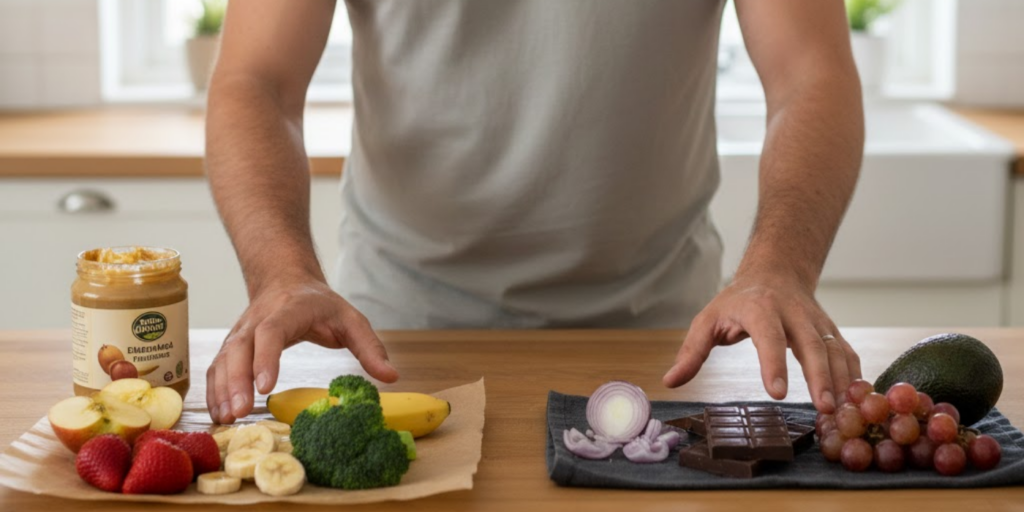
Before you start mixing, it’s crucial to know what’s safe for dogs—and what’s a hidden hazard.
✅ Dog-safe staples include:
- Peanut butter (choose unsalted, xylitol-free brands—xylitol is deadly to dogs!)
- Pumpkin puree (not pie filling—just 100% pure pumpkin)
- Plain Greek yogurt (great for probiotics; skip if your dog is lactose-sensitive)
- Oats, rice, or quinoa (cooked and plain)
- Lean meats (cooked chicken, turkey, or beef without seasoning)
- Fruits & veggies: apples (no seeds), blueberries, carrots, green beans, bananas
❌ Never use these toxic foods:
- Chocolate, caffeine, or anything with xylitol (common in “sugar-free” products)
- Grapes, raisins, or currants (can cause kidney failure)
- Onions, garlic, leeks, or chives (damage red blood cells)
- Avocado (contains persin, toxic to dogs in large amounts)
- Alcohol, macadamia nuts, or raw yeast dough
When in doubt, check the ASPCA’s Toxic and Non-Toxic Plant List or ask your vet. Also, introduce new ingredients one at a time to monitor for allergies or upset stomachs.
5 No-Fuss Homemade Treat Recipes Ready in Minutes
Here are five simple, dog-approved recipes—most requiring no oven, no special tools, and minimal cleanup.
1. 2-Ingredient Peanut Butter Banana Bites
Makes 12–15 treats | No bake
- 1 ripe banana
- ¼ cup unsalted, xylitol-free peanut butter
Mash banana, stir in peanut butter, roll into small balls, and refrigerate for 10 minutes. Serve chilled!
Great for training—soft, smelly, and enticing.
2. Frozen Pumpkin Yogurt Drops
Makes 24 mini treats | No bake
- ½ cup plain Greek yogurt
- ½ cup pure pumpkin puree
Mix, spoon into mini muffin tins or ice cube trays, and freeze for 2 hours.
Perfect summer cooler with digestive benefits.
3. Apple & Oat Energy Bites
Makes 10–12 | No bake
- 1 small apple, grated (no seeds)
- ½ cup rolled oats
- 1 tbsp honey (optional; skip for diabetic dogs)
Combine, roll into balls, and chill 15 minutes. Oats absorb moisture, creating a firm, chewy texture.
Ideal for dogs who love to crunch.
4. Chicken & Sweet Potato Cubes
Makes 20+ | Minimal cooking
- 1 cooked, skinless chicken breast (shredded)
- ½ cup mashed cooked sweet potato
Mix, shape into small cubes, and refrigerate. Keeps for 4 days.
High-protein reward for active or senior dogs.
5. Cheese & Carrot Mini Muffins
Makes 12 | Baked in 15 minutes
- 1 cup whole wheat or oat flour
- ½ cup grated carrots
- ¼ cup shredded low-fat cheddar
- 1 egg
- ¼ cup water or broth
Mix, spoon into mini muffin tin, bake at 350°F (175°C) for 12–15 minutes. Cool completely.
Great for picky eaters—cheese wins every time.
Pro tip: Use silicone molds or a melon baller for uniform, bite-sized pieces perfect for training.
Storage Tips to Keep Treats Fresh and Safe
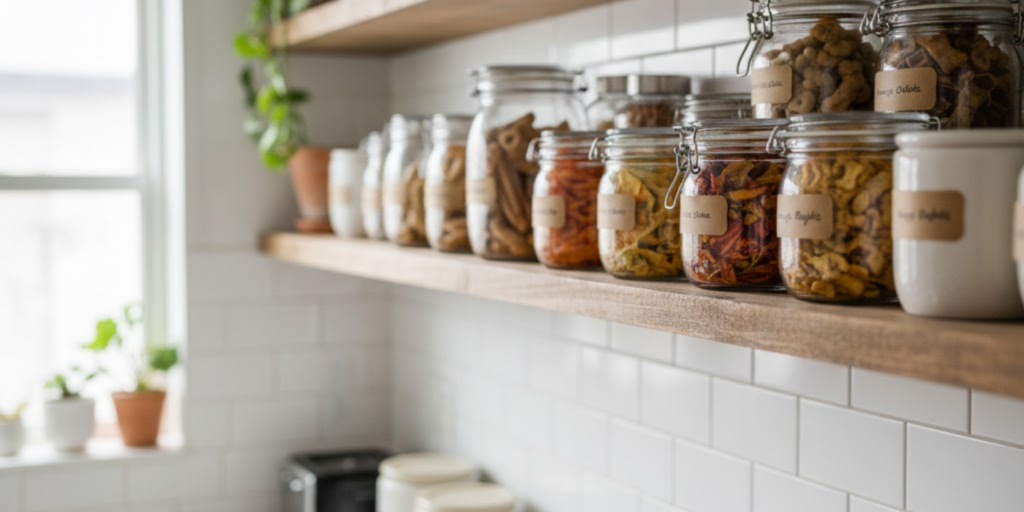
Homemade treats lack preservatives, so proper storage is key:
- Refrigerate soft or moist treats (like banana bites or yogurt drops) for up to 5–7 days in an airtight container.
- Freeze extras for up to 2–3 months. Thaw in the fridge or serve frozen as a puzzle toy filler.
- Dry or baked treats (like oat bites or muffins) last 5–7 days in the fridge or 2–3 weeks in the freezer.
Label containers with the date and ingredients. If you notice any off smells, discoloration, or mold, toss them immediately.
For travel or training, portion treats into small reusable containers or snack bags so you’re not repeatedly opening the main batch—this reduces contamination risk.
Customizing Treats for Special Needs
One of the biggest perks of homemade treats? You can adapt them for your dog’s unique health profile.
- For overweight dogs: Use low-calorie bases like green beans, zucchini, or lean turkey. Skip honey and high-fat ingredients.
- For allergies: Avoid common triggers like chicken, beef, wheat, or dairy. Try novel proteins (duck, venison) or carbs (sweet potato, quinoa).
- For senior dogs: Make soft, easily chewable treats (e.g., yogurt drops or mashed pumpkin bites). Add glucosamine powder if approved by your vet.
- For puppies: Keep pieces tiny and soft. Avoid hard or large chunks to protect developing teeth.
Always consult your veterinarian before adding supplements (like turmeric or fish oil) to treats—more isn’t always better.
The Joy of Sharing What You Make
Beyond nutrition, homemade treats carry emotional weight. That moment when your dog sniffs the bowl, wags their tail, and looks up at you with trusting eyes—it’s pure connection. You’re not just feeding them; you’re showing up with care, creativity, and attention.
In a world of convenience, choosing to make something by hand says, “You matter.” And the best part? Your dog doesn’t care if the banana bites are lopsided or the muffins sink in the middle. They just care that it came from you.
Conclusion: Simple Ingredients, Big Love
Making homemade dog treats doesn’t require fancy skills or hours of prep. With just a few pantry staples and 10–15 minutes, you can offer your dog something healthier, tastier, and more meaningful than anything off the shelf.
We’ve covered why homemade is better, what ingredients to use (and avoid), five quick recipes for every need, storage tips, and ways to customize for special diets. Now, it’s your turn to experiment!
Start with one recipe this week. Watch your dog’s reaction. Notice how fresh food excites their senses in a way processed treats never could. And remember: you don’t need perfection—just love, a little knowledge, and a willingness to try.
Which recipe will you try first? Do you have a secret ingredient your dog goes crazy for? Share your favorite homemade treat ideas in the comments below—your tip might inspire another pet parent to ditch the mystery bag and start cooking with confidence!

Mary Brown is a devoted pet enthusiast with a lifelong passion for animals of all kinds. From volunteering at local shelters to creating cozy, enriching spaces for her own furry family, she believes that every pet deserves love, comfort, and attentive care. With years of hands-on experience and a heart full of empathy, Mary shares practical tips and heartfelt insights to help fellow pet parents nurture happier, healthier lives for their companions.