Introduction
Imagine this: You’re walking your dog in a crowded park, and in a split second, they dart off—chasing a squirrel, startled by fireworks, or simply following an irresistible scent. Your heart races. Minutes feel like hours. What if you could know exactly where they are, even if they’re miles away?
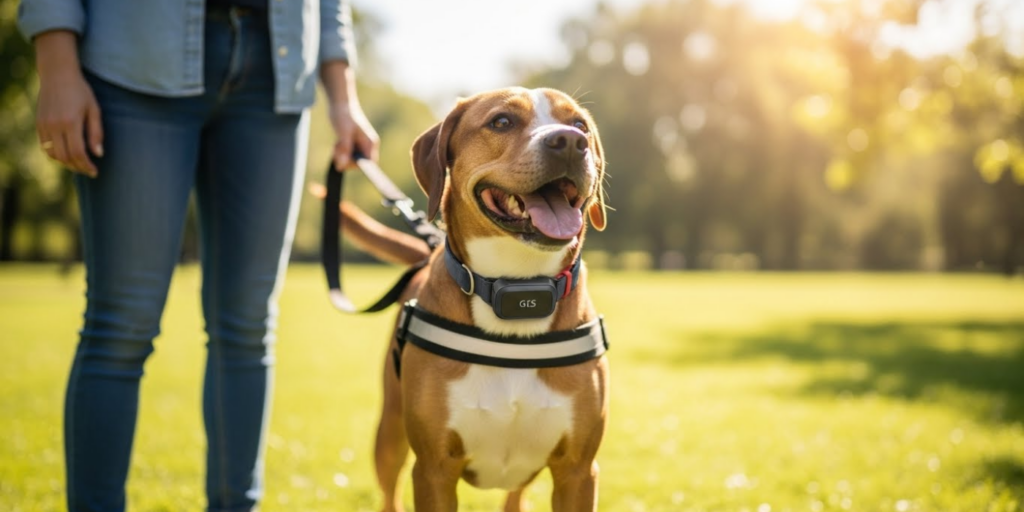
Losing a pet is one of the most distressing experiences a dog owner can face. Fortunately, modern technology offers a reassuring solution: GPS trackers. These small, powerful devices can give you peace of mind by showing your dog’s real-time location on your smartphone—anytime, anywhere. But with so many options on the market, how do you choose the right one?
In this article, we’ll walk you through everything you need to know to pick the best GPS tracker for your furry friend. From battery life and accuracy to subscription costs and comfort, we’ll break down the key factors that matter most. Whether you live in the city, the suburbs, or the countryside—or whether your pup is a backyard lounger or an off-leash adventurer—this guide will help you make a smart, confident decision that keeps your dog safe and your mind at ease.
Why GPS Trackers Matter for Dog Safety
Every year, millions of pets go missing in the United States alone. According to the American Society for the Prevention of Cruelty to Animals (ASPCA), approximately 10 million pets are lost annually, and only about 15–20% are ever reunited with their owners. While microchips and ID tags are essential, they only work if someone finds your dog and takes them to a shelter or vet.
GPS trackers change the game. Unlike passive identification methods, GPS technology gives you active, real-time tracking, allowing you to locate your dog immediately—often before they even leave your neighborhood.
Consider the story of Max, a Golden Retriever from Colorado who slipped out of his collar during a thunderstorm. Thanks to his GPS collar, his owner pinpointed his location just two blocks away, hiding under a neighbor’s porch. Without that tracker, Max might have wandered into traffic, gotten lost in the woods, or ended up in a shelter hours away.
GPS trackers are especially valuable for:
- High-energy breeds prone to bolting
- Senior dogs with cognitive decline (like canine dementia)
- Dogs in rural or unfamiliar areas
- Travelers who take their pets on road trips or hikes
In short, a GPS tracker isn’t just a gadget—it’s a lifeline.
Key Features to Consider When Choosing a GPS Tracker
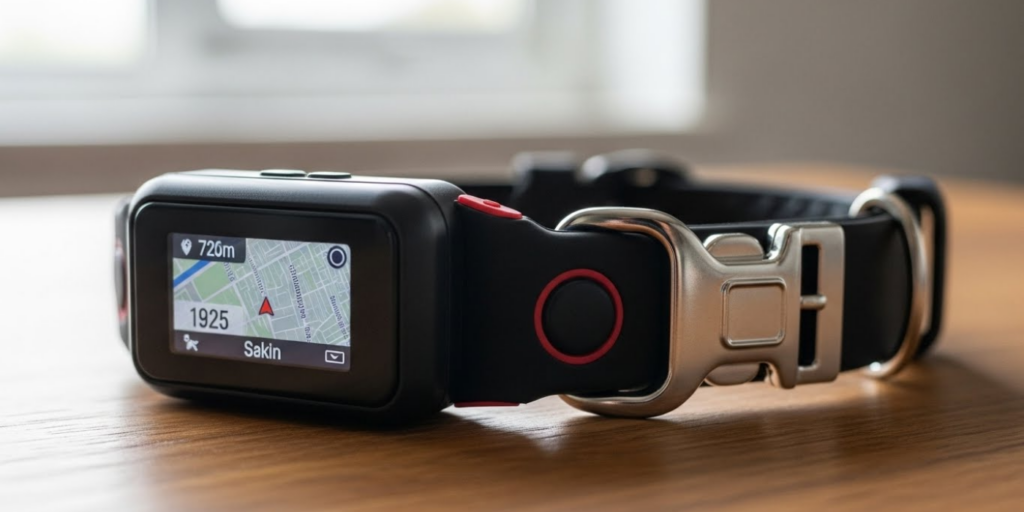
Not all GPS trackers are created equal. To find the best one for your dog, focus on these five critical features:
- Real-Time Tracking Accuracy
Look for devices that use GPS + cellular networks (like LTE-M or 4G) rather than Bluetooth-only trackers. Bluetooth has a limited range (usually under 300 feet) and won’t help if your dog runs far. True GPS trackers use satellite signals and cellular data to provide location updates within 3–10 feet of accuracy. - Battery Life
Battery performance varies widely. Some trackers last only 24–48 hours, while others can go 5–7 days on a single charge. If your dog is an escape artist, you don’t want your tracker dying mid-crisis. Check whether the device uses rechargeable batteries or disposable ones—and how long charging takes. - Subscription Requirements
Most GPS trackers require a monthly subscription (typically $5–$20/month) to access cellular networks. A few, like the Tractive GPS, offer flexible plans, while others lock you into annual contracts. Always factor in this recurring cost before buying. - Size and Comfort
The tracker should be lightweight and compact—especially for small breeds. A bulky device can cause chafing or discourage your dog from moving naturally. Many trackers attach to existing collars; others come with their own collars. Ensure it’s waterproof and durable enough for mud, rain, and rough play. - Geofencing and Alerts
Top-tier trackers offer geofencing: you set a virtual “safe zone” (like your backyard), and the app alerts you the moment your dog leaves it. This early warning can prevent a full-blown emergency.
Pro Tip: Read verified customer reviews—not just marketing claims. Real users will tell you if a device overheats, loses signal in forests, or drains battery faster than advertised.
Top GPS Trackers Compared: Pros, Cons, and Best Uses
To help you navigate the market, here’s a comparison of four leading GPS trackers as of 2025:
| Device | Battery Life | Subscription | Best For | Key Perk |
|---|---|---|---|---|
| Fi Collar | Up to 3 months* | $9.95–$19.95/mo | Urban & suburban dogs | Long battery in “Home Mode” |
| Tractive GPS | 2–5 days | $5.99–$10.99/mo | Travelers & hikers | Works in 175+ countries |
| Whistle Go | 20–25 days | $9.95–$29.95/mo | All-around use | Health monitoring + GPS |
| Apple AirTag | 1 year (replaceable) | None | Short-range backup (not true GPS) | Ultra-wideband precision (iPhone users) |
*Fi’s “3-month” claim applies only when the dog stays within pre-set “safe zones.” Once they leave, real-time tracking kicks in, reducing battery to 1–3 days.
Fi Collar stands out for city dwellers: it uses LTE-M networks for low-power, wide-coverage tracking and integrates with popular apps like Apple Health.
Tractive GPS is ideal for adventurers—it’s one of the few trackers that works reliably in Europe, South America, and remote U.S. areas thanks to its global SIM card.
Whistle Go doubles as a health monitor, tracking sleep, activity, and scratching—useful for detecting allergies or anxiety.
And while Apple AirTag isn’t a true GPS device (it relies on Bluetooth and the “Find My” network), it’s a budget-friendly backup for iPhone users whose dogs rarely roam far.
Remember: No single tracker is perfect for everyone. Your choice should align with your dog’s behavior, your location, and your budget.
Practical Tips for Using a GPS Tracker Effectively
Buying a GPS tracker is just the first step. To get the most out of it, follow these best practices:
- Charge it regularly—don’t wait for the low-battery alert. Make it part of your weekly pet care routine.
- Update safe zones whenever you travel. If you’re camping or staying with family, set a new geofence immediately.
- Test the range in your neighborhood. Walk a few blocks with your dog to see how quickly the app updates location.
- Pair it with an ID tag. GPS can fail due to dead batteries or poor signal. Always have a physical backup with your phone number.
- Introduce it gradually. Let your dog wear the tracker around the house first to get used to the weight and feel.
Also, keep your tracker’s firmware updated. Manufacturers often release software improvements that enhance battery life or add new safety features.
One dog owner in Oregon shared how her Whistle tracker alerted her when her Beagle wandered into a neighbor’s chicken coop at 3 a.m. She retrieved him before the farmer noticed—saving both her dog and a potential dispute!
These small habits turn a high-tech device into a reliable safety net.
Common Myths About GPS Trackers—Debunked
Despite their benefits, GPS trackers are surrounded by misconceptions. Let’s clear up a few:
Myth #1: “GPS trackers work everywhere.”
Reality: They need cellular coverage. In deep forests, deserts, or mountainous regions with no signal, even the best GPS tracker may go offline. Some devices (like Garmin’s Astro series) use satellite messaging, but they’re bulky and expensive—better suited for hunting dogs.
Myth #2: “They’re only for escape-prone dogs.”
Reality: Even well-trained dogs can bolt due to sudden loud noises, wildlife, or medical issues. GPS trackers are a preventive tool, not just a last resort.
Myth #3: “All trackers drain my phone battery.”
Reality: Most use their own power source. Your phone only receives location data—it doesn’t run the GPS itself.
Myth #4: “It invades my dog’s privacy.”
While humorous, this reflects a real concern about over-monitoring. But remember—a GPS tracker is about safety, not surveillance. It’s no different than checking your child’s whereabouts when they’re out late.
Understanding these truths helps you use the technology wisely and without guilt.
Final Thoughts: Safety Is More Than a Device

A GPS tracker is incredibly powerful—but it’s just one piece of responsible pet ownership. Combine it with:
- Secure fencing
- Positive reinforcement training
- Up-to-date microchipping
- Regular vet checkups (some medical issues cause disorientation)
Technology gives us unprecedented tools to protect our pets, but it works best when paired with love, awareness, and preparation.
Think of a GPS tracker not as a luxury, but as peace of mind you can hold in your hand. In a world full of distractions and dangers, it ensures that no matter where your dog goes, you’re never truly out of reach.
Conclusion
Choosing the best GPS tracker for your dog isn’t just about specs or brand names—it’s about understanding your pet’s lifestyle, your environment, and your own peace of mind. From real-time location updates and geofencing alerts to battery life and comfort, each feature plays a role in keeping your furry companion safe.
We’ve explored why GPS trackers matter, compared top models, shared practical usage tips, and debunked common myths. Now, the power is in your hands (and on your phone!).
If your dog hasn’t worn a tracker yet, consider starting with a trial from a brand like Tractive or Fi—they often offer 30-day money-back guarantees. And if you already use one, ask yourself: Is it fully charged? Are my safe zones updated?
Your dog trusts you to keep them safe. A GPS tracker is a simple, modern way to honor that trust.
We’d love to hear from you! Have you used a GPS tracker for your dog? What worked—or didn’t? Share your experience in the comments below, and help other pet parents make informed choices. And if you found this guide helpful, please share it with a fellow dog lover—you might just help bring a lost pup home.

Mary Brown is a devoted pet enthusiast with a lifelong passion for animals of all kinds. From volunteering at local shelters to creating cozy, enriching spaces for her own furry family, she believes that every pet deserves love, comfort, and attentive care. With years of hands-on experience and a heart full of empathy, Mary shares practical tips and heartfelt insights to help fellow pet parents nurture happier, healthier lives for their companions.