Bathing your dog should be a refreshing, bonding experience—not a battle against dry skin, itching, or a lingering “wet dog” smell that won’t quit. Yet many pet parents are surprised to learn that the wrong shampoo might be making things worse, not better. In fact, using human shampoo on dogs is one of the most common grooming mistakes, potentially stripping their skin of natural oils and triggering irritation, flaking, or even infections.
Your dog’s skin is far more delicate than yours—up to five times thinner, in some breeds—and their pH balance is completely different. That means what works for you won’t work for them. Choosing the right dog shampoo isn’t just about getting them clean; it’s about supporting their skin health, coat shine, and overall comfort.
In this guide, we’ll walk you through everything you need to know to pick the best shampoo for your dog’s unique needs—whether they have sensitive skin, allergies, a thick double coat, or just love rolling in mud. You’ll learn how to read labels like a pro, avoid harmful ingredients, and match formulas to your dog’s breed, age, and lifestyle. Plus, we’ll share vet-recommended tips and real-life success stories to help you make confident, informed choices.
Let’s dive in and turn bath time from a chore into a spa-like treat—for both of you.
Understand Your Dog’s Unique Skin and Coat Needs
Before you even glance at a shampoo bottle, take a close look at your dog. Not all dogs are created equal when it comes to grooming needs—and using a one-size-fits-all product can do more harm than good.
For example:
- Double-coated breeds like Huskies or Golden Retrievers need moisturizing shampoos that won’t strip their thick undercoat.
- Short-haired dogs like Beagles or Boxers often benefit from gentle, everyday cleansers.
- Dogs with wrinkles or folds—think Pugs or Shar-Peis—require antimicrobial formulas to prevent yeast or bacterial buildup in skin creases.
- Puppies and senior dogs have more fragile skin and need extra-mild, tear-free formulas.
Skin conditions also play a huge role. If your dog has dry patches, redness, or is constantly scratching, they may need a medicated or hypoallergenic shampoo—not just a scented luxury brand.
Dr. Rachel Kim, a veterinary dermatologist, explains: “I often see dogs develop contact dermatitis simply because their owners used a ‘natural’ oatmeal shampoo that contained hidden fragrances or preservatives. Know your dog’s baseline before choosing a product.”
Take note of your dog’s:
- Coat type (curly, wiry, silky, double-layered)
- Skin condition (oily, dry, flaky, healthy)
- Lifestyle (frequent swimmer? Park mud-lover?)
- Age and health status
This information is your roadmap to the right shampoo.
Read the Label: What to Look For (and What to Avoid)
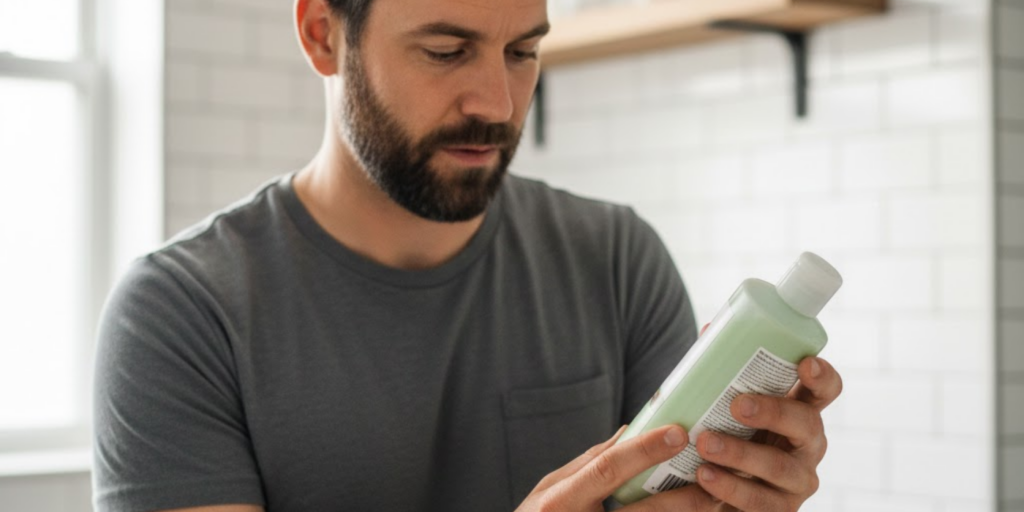
Dog shampoo labels can be misleading. Words like “natural,” “organic,” or “gentle” sound reassuring—but they’re not regulated terms. That’s why it’s crucial to check the actual ingredients, not just the marketing buzzwords.
Look for these beneficial ingredients:
- Oatmeal (colloidal): Soothes itchy, irritated skin
- Aloe vera: Hydrates and reduces inflammation
- Coconut oil or shea butter: Adds moisture without clogging pores
- Chamomile or green tea extract: Calming and antioxidant-rich
- Hypoallergenic or fragrance-free formulas: Ideal for sensitive dogs
Avoid these red flags:
- Artificial fragrances & dyes: Major allergy triggers
- Sulfates (SLS/SLES): Harsh detergents that strip natural oils
- Parabens and phthalates: Potential hormone disruptors
- Alcohol (especially denatured): Dries out skin and coat
- Human-grade soaps or dish detergents: Far too alkaline for canine skin
A helpful rule of thumb: If you wouldn’t put it on a baby’s skin, don’t put it on your dog’s.
Also, check the pH level. Canine skin has a neutral to slightly alkaline pH (around 6.2–7.4), while human skin is more acidic (around 5.5). Shampoos labeled “pH-balanced for dogs” respect this difference and help maintain the skin’s protective barrier.
When in doubt, choose products recommended by veterinarians or certified by trusted organizations like the National Animal Supplement Council (NASC).
Match the Shampoo to Your Dog’s Specific Concerns
Not every dog needs a medicated shampoo—but when they do, the right formula can be transformative.
Here’s a quick guide to common needs and ideal shampoo types:
- Itchy or allergic skin: Look for hypoallergenic, fragrance-free shampoos with oatmeal, hydrocortisone (vet-approved), or pramoxine to relieve itching.
- Dry or flaky skin: Choose moisturizing shampoos with ceramides, glycerin, or omega fatty acids. Avoid frequent bathing—once every 4–8 weeks is usually enough.
- Greasy coat or smelly dog: Try clarifying shampoos with tea tree oil (in safe concentrations) or enzymatic cleaners that break down odor-causing bacteria. But never over-wash—this can worsen oil production.
- Fleas or ticks: Use vet-recommended flea shampoos containing pyrethrins (not permethrin, which is toxic to cats!). Note: These are for immediate relief, not long-term prevention.
- Whitening or brightening: For white or light-coated breeds, optical brighteners can enhance color—but use sparingly to avoid skin irritation.
- Puppies or seniors: Stick to tear-free, ultra-mild formulas labeled specifically for young or aging dogs.
One real-life win: After switching her Cocker Spaniel to a medicated ketoconazole-chlorhexidine shampoo (prescribed for yeast overgrowth), Maria noticed a dramatic drop in ear scratching and neck redness within two weeks.
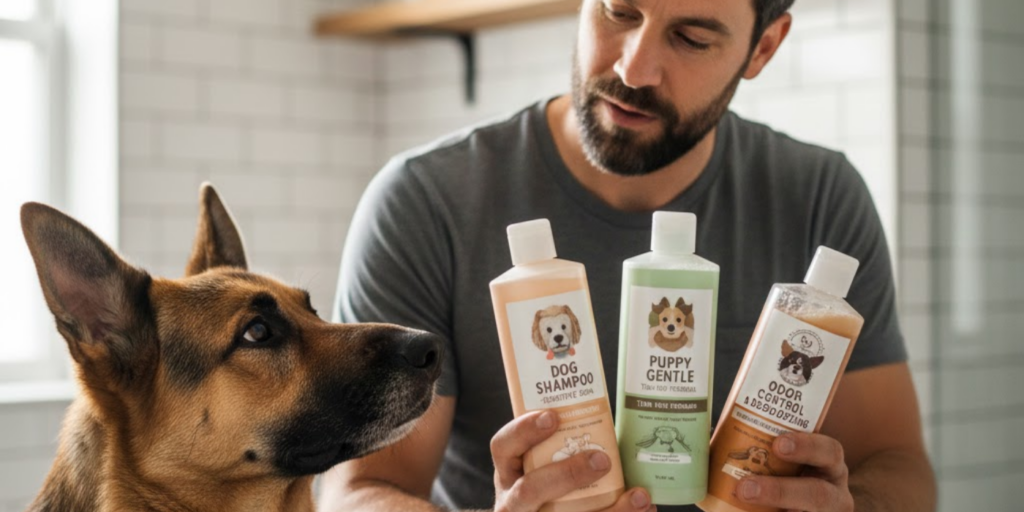
Pro tip: Keep two shampoos on hand—one for maintenance, one for problem-solving. That way, you’re ready for anything.
Frequency, Technique, and Post-Bath Care
Even the best shampoo won’t work if used incorrectly. How often you bathe your dog—and how you do it—matters just as much as the product itself.
How often?
Most dogs only need a bath every 4 to 8 weeks. Over-bathing strips essential oils and disrupts the skin microbiome. Exceptions include:
- Dogs with skin conditions (may need weekly medicated baths)
- Working or outdoor dogs who get dirty regularly
- Dogs with oily coats (like Basset Hounds)
Bathing tips for success:
- Brush first to remove tangles and loose fur
- Use lukewarm water—never hot or cold
- Apply shampoo gently, avoiding eyes and ears
- Rinse thoroughly—residue is a common cause of itching
- Towel-dry or use a low-heat pet dryer; never air-dry in cold weather
After the bath, consider:
- A dog-safe conditioner for long-haired breeds to prevent matting
- A leave-in spray with soothing ingredients like aloe or chamomile
- A moisturizing balm for dry paw pads or nose (if needed)
And always reward your dog afterward! Pair bath time with a treat or favorite toy to build positive associations.
As groomer Jenna Lopez says: “A calm dog starts with a calm routine. Make bath time predictable, gentle, and quick—and they’ll learn to tolerate, or even enjoy, it.”
When to Call the Vet (and Skip the Shampoo Aisle)

Sometimes, shampoo alone isn’t enough—and using the wrong one can delay proper treatment.
See your veterinarian if your dog shows:
- Persistent redness, sores, or scabs
- Hair loss or bald patches
- A strong, foul odor (not just “doggy” smell)
- Excessive scratching that leads to broken skin
- No improvement after 2–3 medicated baths
These could be signs of:
- Bacterial or fungal infections
- Allergic dermatitis
- Parasites (like mites)
- Hormonal imbalances (e.g., hypothyroidism)
In such cases, your vet may prescribe a therapeutic shampoo (like those containing chlorhexidine, miconazole, or benzoyl peroxide) and a treatment plan. Never try to “self-treat” serious skin issues with over-the-counter products.
Remember: Grooming supports health—but it doesn’t replace medical care.
Real Stories, Real Results
Take Leo, a rescue Dalmatian with chronic dry skin. His owner, Tom, tried five different “natural” shampoos with no luck—until a vet recommended a ceramide-based formula designed for barrier repair. Within a month, Leo’s flaking stopped, and his spots actually looked shinier.
Or consider Bella, a senior Shih Tzu who dreaded baths. Her groomer switched to a tear-free, oatmeal-based puppy shampoo—and suddenly, Bella stopped trembling during washes. “It wasn’t the dog,” her owner realized. “It was the product.”
These stories remind us: the right shampoo isn’t a luxury—it’s a key part of your dog’s wellness toolkit.
Conclusion
Choosing the best shampoo for your dog goes far beyond scent or packaging. It’s about respecting their biology, listening to their skin, and matching your product to their real-life needs. Whether your pup is a muddy adventurer, a sensitive soul, or a senior with delicate skin, there’s a shampoo out there that can keep them clean, comfortable, and healthy.
By understanding your dog’s coat type, reading labels carefully, bathing mindfully, and knowing when to seek professional help, you’ll turn grooming into an act of care—not compromise.
So next time you’re in the pet aisle, slow down. Look past the flashy claims. Ask yourself: Does this truly serve my dog’s well-being? The answer will guide you to the right choice.
We’d love to hear from you!
What’s your go-to dog shampoo—and what problem did it solve? Have you ever had a “shampoo fail” that taught you a lesson? Share your experience in the comments below! Your tip might be just what another dog parent needs to finally end the itch, the odor, or the bath-time battles. Let’s help every dog feel as good as they look! 🐾

Mary Brown is a devoted pet enthusiast with a lifelong passion for animals of all kinds. From volunteering at local shelters to creating cozy, enriching spaces for her own furry family, she believes that every pet deserves love, comfort, and attentive care. With years of hands-on experience and a heart full of empathy, Mary shares practical tips and heartfelt insights to help fellow pet parents nurture happier, healthier lives for their companions.