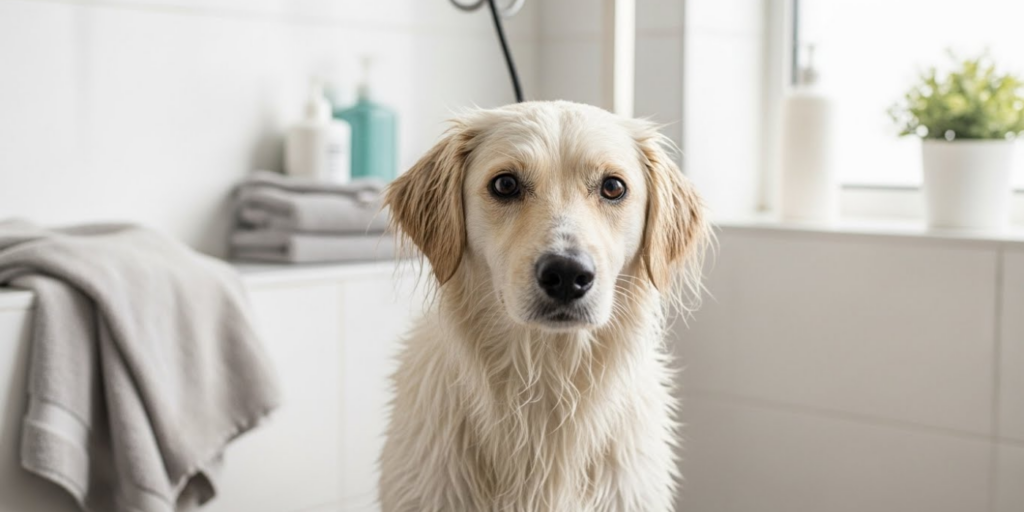
You’ve just given your dog a thorough, loving bath. You’ve used a gentle, oatmeal-based shampoo. You’ve rinsed every last bubble away. You’re drying them off with a soft towel… and then it hits you: that unmistakable wet dog smell—earthy, musky, and stubbornly persistent.
If you’ve ever wondered why your freshly washed pup still smells like a damp basement, you’re not alone. The “wet dog” odor isn’t a sign of poor hygiene—it’s a natural (but totally manageable) result of your dog’s unique biology. And the good news? You can dramatically reduce—even eliminate—it with the right techniques.
In this guide, we’ll walk you through proven, step-by-step methods to minimize wet dog smell after baths, from choosing the right shampoo and drying thoroughly to understanding the science behind the scent. Whether you bathe your dog weekly or just before special occasions, these tips will leave your home smelling fresh and your dog feeling clean, dry, and comfortable.
So grab your blow dryer, fluff that towel, and let’s turn bath time from “eww” to “ahhh!”
1. Understand Why Wet Dog Smell Happens (It’s Not Dirt!)
Before tackling the odor, it helps to understand its source. That “wet dog” smell isn’t caused by dirt or poor grooming—it’s the result of microorganisms living naturally in your dog’s coat.
Your dog’s fur hosts harmless bacteria and yeast. When dry, they’re odorless. But when wet, these microbes release volatile organic compounds (VOCs)—gases that create that musty, sour, or “dirty socks” scent. Think of it like wet gym clothes: the fabric itself isn’t smelly, but moisture activates the microbes trapped in the fibers.
Key insight: The smell is temporary—but it lingers if the coat stays damp too long. So thorough drying isn’t optional; it’s essential.
2. Choose the Right Shampoo—Skip the Human Stuff
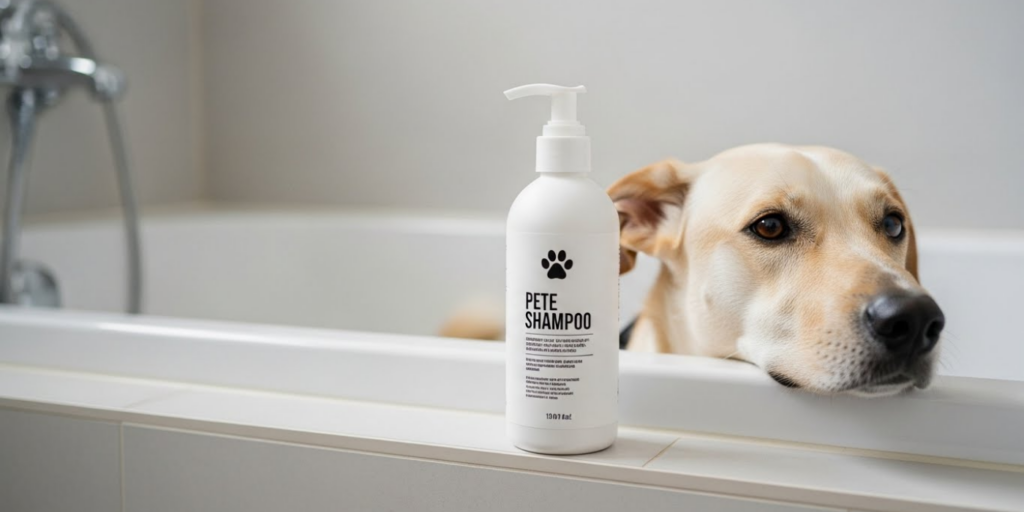
Not all shampoos are created equal. Using human shampoo (even baby shampoo) can strip your dog’s skin of natural oils, leading to dryness, irritation, and ironically, more odor as the skin overproduces oils to compensate.
Look for dog-specific shampoos with:
- Oatmeal or aloe vera – soothes and moisturizes
- Enzymatic or odor-neutralizing formulas – break down odor-causing compounds (brands like Earthbath or Buddy Wash work well)
- Hypoallergenic, sulfate-free ingredients – gentle on sensitive skin
Avoid:
- Fragrance-heavy “perfume” shampoos (they mask odor but don’t eliminate it)
- Medicated shampoos (unless prescribed by a vet)
- Dish soap or DIY mixes (they disrupt skin pH)
Pro tip: For extra odor control, use a 2-in-1 shampoo + conditioner that includes natural deodorizers like baking soda or coconut oil.
3. Rinse, Rinse, and Rinse Again
One of the most common causes of lingering smell? Shampoo residue. Leftover soap traps moisture and creates a breeding ground for odor-causing bacteria.
How to rinse properly:
- Use lukewarm water (not too hot or cold)
- Rinse for at least 2–3 minutes, parting the fur with your fingers to reach the skin
- Check for suds—no bubbles should remain
- Pay extra attention to dense areas: underarms, belly, tail base, and behind the ears
Real-life example: Max, a Golden Retriever, always smelled “off” after baths—until his owner realized she wasn’t rinsing long enough. After doubling rinse time, the wet dog smell vanished.
4. Dry Thoroughly—Because Dampness = Odor
This is the #1 most effective step to prevent wet dog smell: dry your dog completely. A towel-dried dog may feel dry on top, but the undercoat can stay wet for hours—perfect conditions for that musty scent to develop.
Best drying methods:
- High-absorbency microfiber towels – wrap your dog like a burrito and gently squeeze (don’t rub, which causes tangles)
- Blow dryer on low/cool setting – keep it moving to avoid overheating; use a slicker brush while drying to fluff the coat and speed evaporation
- Quick-dry sprays – alcohol-free formulas (like Chris Christensen’s) help evaporate moisture faster
For double-coated breeds (Huskies, Goldens, etc.): Use a force dryer (like those at groomers) or take extra time with a blow dryer to reach the undercoat. Their dense fur traps moisture like a sponge.
Never: Let your dog air-dry indoors in humid weather—that’s a fast track to wet dog smell.
5. Use a Post-Bath Deodorizing Spray or Wipes
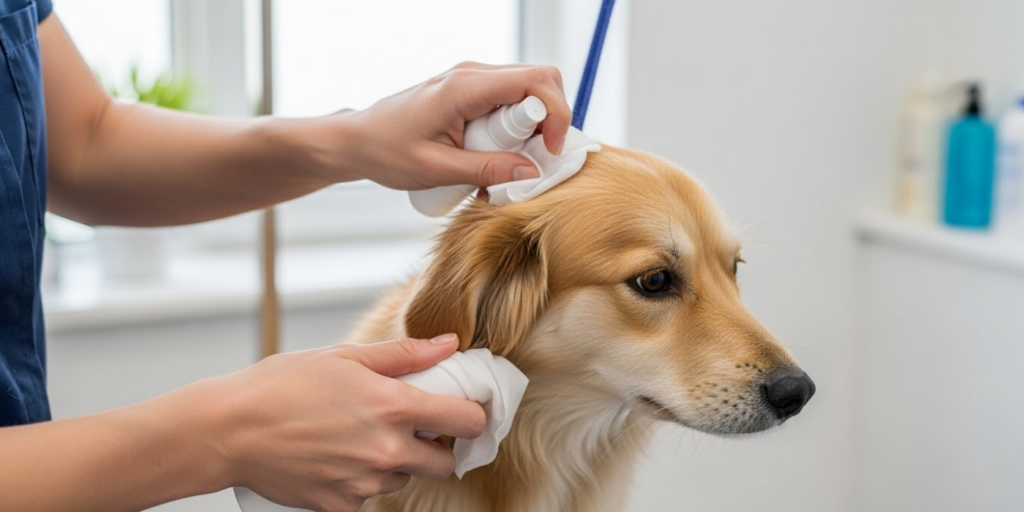
Even after a good dry, a light odor-neutralizing finish can lock in freshness.
Safe, effective options:
- Pet-safe deodorizing sprays with natural ingredients (e.g., lavender, chamomile, or green tea extract)
- Baking soda water mist (1 tbsp baking soda + 1 cup water in a spray bottle—shake well, mist lightly, then brush through)
- Grooming wipes for quick fresh-ups between baths
Avoid: Alcohol-based sprays or essential oils not diluted for pets (many are toxic to dogs).
Bonus: Lightly mist your dog’s bed or favorite blanket with the same solution to keep their space smelling fresh.
6. Clean the Bath Area—Don’t Let Odor Linger
Your dog isn’t the only source of smell. Wet fur, shampoo residue, and water splashes can leave odors in your tub, sink, or grooming area—which then transfer back to your dog.
After every bath:
- Rinse the tub thoroughly
- Wipe down walls and faucets with vinegar or pet-safe cleaner
- Wash towels and bath mats in hot water with baking soda (not fabric softener, which reduces absorbency)
- Store clean towels in a dry, ventilated space
Why it matters: A clean bath environment prevents cross-contamination and keeps your dog’s fresh scent intact.
7. Address Underlying Causes (When Smell Persists)
If your dog still smells “off” even after proper bathing and drying, it may signal an underlying issue:
- Skin infections (yeast or bacterial) – often accompanied by redness, itching, or flakiness
- Ear infections – a common source of musty odor
- Anal gland issues – produces a fishy, foul smell
- Dental disease – bad breath can mix with coat odor
When to see a vet: If the smell is strong, persistent, or paired with scratching, hair loss, or discomfort, schedule a check-up. Treating the root cause is key.
8. Between Baths: Maintain a Fresh Coat
Baths shouldn’t be your only line of defense. Regular maintenance keeps odor at bay:
- Brush 2–3 times per week – removes dead hair, dander, and debris that trap moisture
- Wipe paws and belly after walks – especially in rain or mud
- Use dry shampoo on non-bath days (cornstarch-based or commercial pet formulas)
- Feed a high-quality diet – omega fatty acids support healthy skin and reduce natural oiliness
Pro tip: Add a tablespoon of apple cider vinegar (diluted in water) as a final rinse once a month—it helps balance skin pH and deter microbes.
9. Home Remedies That Actually Work (And Which to Avoid)
Some DIY solutions are safe and effective; others can harm your dog.
Safe & effective:
- Baking soda rinse (as above)
- Oatmeal soak – grind plain oatmeal, mix with warm water, and apply as a soothing paste before rinsing
- Coconut oil – a small amount rubbed into dry skin can moisturize and reduce flaking
Avoid:
- Undiluted essential oils (tea tree, eucalyptus, etc.—toxic if ingested)
- Vinegar soaks (too acidic for frequent use)
- Human colognes or perfumes
Golden rule: If it’s not labeled safe for pets, don’t put it on your dog.
10. Embrace the Natural Scent—Just Keep It Fresh
Let’s be real: dogs have a natural scent. And that’s okay! A healthy dog shouldn’t smell like a perfume counter—but they also shouldn’t fill your living room with that damp, musky odor.
The goal isn’t to eliminate your dog’s natural aroma, but to prevent the amplified “wet dog” smell caused by trapped moisture and microbes. With consistent care, your dog can smell clean, fresh, and like… well, a happy, healthy dog.
Conclusion: Freshness Starts with Care
Reducing wet dog smell after baths isn’t about masking odors with heavy fragrances—it’s about understanding your dog’s biology and supporting their natural cleanliness. From thorough rinsing and complete drying to choosing the right shampoo and addressing underlying health issues, every step you take makes a difference.
And the reward? A dog who feels comfortable, a home that smells fresh, and bath time that becomes a bonding ritual—not a battle against stink.
So the next time you hear the splashing begin, remember: with the right approach, that post-bath sniff will be one of clean fur, warm towels, and unconditional love.
Now we’d love to hear from you: What’s your favorite trick for keeping your dog smelling fresh? Have you tried any of these tips? Share your go-to products, stories, or questions in the comments below—let’s help every pup (and their people!) enjoy a truly fresh, clean finish! 🐾🧼✨

Mary Brown is a devoted pet enthusiast with a lifelong passion for animals of all kinds. From volunteering at local shelters to creating cozy, enriching spaces for her own furry family, she believes that every pet deserves love, comfort, and attentive care. With years of hands-on experience and a heart full of empathy, Mary shares practical tips and heartfelt insights to help fellow pet parents nurture happier, healthier lives for their companions.