Introduction
You buy the best dog food you can afford—grain-free, high-protein, vet-recommended—but if you’re not storing it properly, you might be unknowingly compromising its quality, safety, and even your dog’s health. Believe it or not, how you store your dog’s food is just as important as what you feed them. Exposure to air, moisture, heat, or pests can degrade nutrients, encourage mold growth, or even attract insects and rodents.
In a world where recalls due to contamination happen more often than we’d like, taking control of your storage habits is a simple yet powerful way to protect your pup. Whether you buy kibble in bulk, use fresh refrigerated meals, or mix in homemade supplements, this guide will show you exactly how to store dog food correctly—to preserve freshness, prevent spoilage, and keep your furry friend thriving.
From choosing the right container to understanding expiration dates and avoiding common kitchen mistakes, we’ve got you covered. Let’s turn your pantry into a safe, smart, and sanitary food hub for your dog.
1. Keep It in the Original Bag—Yes, Really
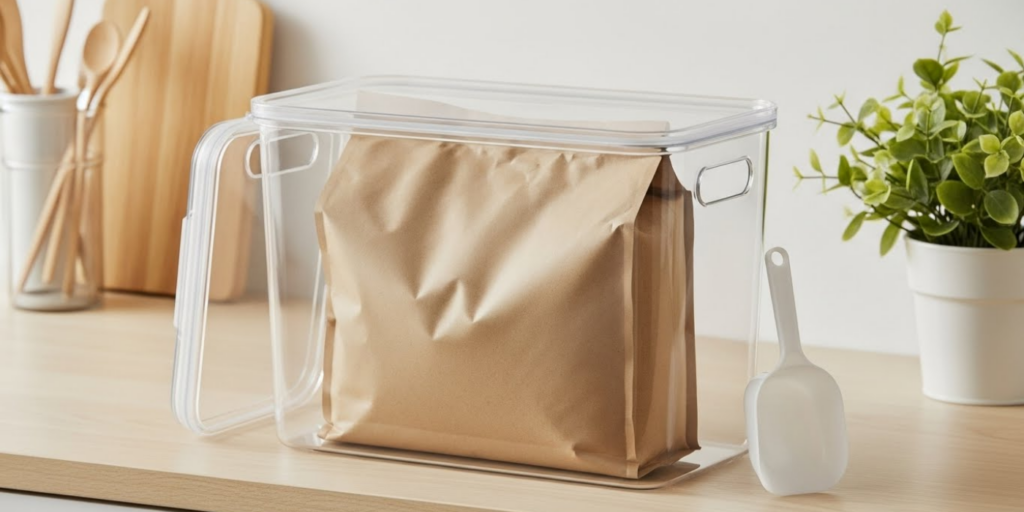
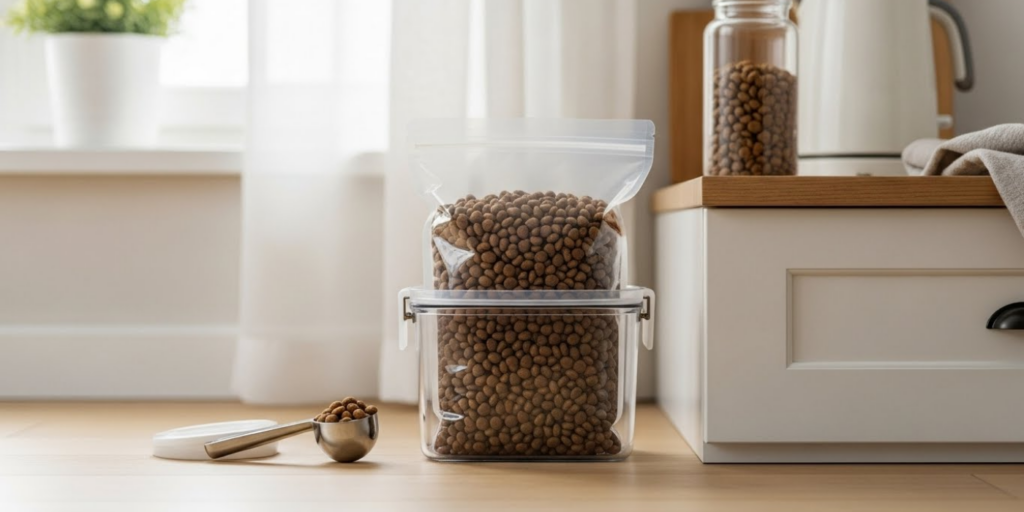
It might be tempting to dump that big bag of kibble into a fancy airtight container (especially if it matches your kitchen decor), but veterinarians and pet food manufacturers overwhelmingly recommend keeping dry dog food in its original packaging—at least as a first layer of protection.
Why? Because most premium dog food bags are engineered with special inner liners that block light, oxygen, and moisture—key enemies of freshness. These liners help preserve fats and vitamins that degrade quickly when exposed to air. Transferring food directly into a bin strips away this defense.
The smart solution? Place the sealed original bag inside your airtight container. This gives you the best of both worlds:
- The food stays protected by its factory-sealed barrier
- The container keeps pests out and looks tidy
- You retain the bag for lot numbers and expiration dates (critical in case of a recall)
If the bag is already open, fold the top tightly and secure it with a strong clip—but still place it inside a bin. And never store dog food in flimsy plastic bags, paper sacks, or uncovered bowls. That’s an open invitation to staleness and contamination.
2. Choose the Right Storage Location: Cool, Dry, and Dark
Where you store your dog food matters just as much as how you store it. Heat, humidity, and sunlight are silent saboteurs of pet food quality.
Ideal storage conditions:
- Temperature below 80°F (27°C)
- Low humidity (avoid basements, garages, or under-sink cabinets in humid climates)
- Away from direct sunlight or heat sources like stoves or radiators
Many people stash dog food in the garage for convenience—but this is one of the worst places. Garages often swing from freezing in winter to sweltering in summer, causing oils in kibble to go rancid and dry food to absorb moisture, leading to mold or clumping.
Instead, opt for a pantry, closet, or kitchen cabinet—anywhere that stays consistently cool and dry. If you live in a hot or humid climate, consider storing only a week’s worth of food in the main container and keeping the rest in a climate-controlled interior space.
Pro tip: Never store dog food near household cleaners, pesticides, or strong-smelling items. Kibble can absorb odors, which may deter your dog from eating—or even introduce harmful chemical residues.
3. Avoid Common Container Mistakes
Not all “airtight” containers are created equal—and some can actually do more harm than good.
Red flags to watch for:
- Plastic bins that previously held non-food items (like laundry detergent): Residue can leach into food.
- Containers without truly sealed lids: Look for ones with locking clips or rubber gaskets.
- Clear containers stored in light: UV rays degrade nutrients like vitamins A, E, and B-complex.
Instead, choose food-grade, opaque containers made of BPA-free plastic, stainless steel, or ceramic. Stainless steel is especially great—it’s non-porous, easy to sanitize, and doesn’t retain odors.
And here’s a lesser-known tip: wash your container regularly. Even if it looks clean, old food dust and oils can build up, creating a breeding ground for bacteria or mold. Clean it with warm, soapy water every time you finish a bag, and let it dry completely before refilling.
By treating your dog’s food container like your own food storage—clean, safe, and dedicated—you’re showing the same care you’d give to your family’s meals.
4. Handle Wet, Fresh, and Homemade Foods with Extra Care
While dry kibble is relatively stable, wet, refrigerated, or homemade dog food requires stricter hygiene practices.
For canned food:
- Once opened, cover unused portions with a plastic lid or foil and refrigerate immediately.
- Use within 3–5 days—not a week, as some assume.
- Never leave wet food out for more than 2 hours (1 hour in warm weather), as bacteria multiply rapidly.
For fresh or raw dog food (like subscription meals or DIY recipes):
- Keep frozen until ready to use.
- Thaw in the refrigerator—not on the counter.
- Serve in clean bowls and discard uneaten portions after 20–30 minutes.
For homemade meals:
- Prepare in a clean kitchen using separate utensils (just like handling raw chicken).
- Store in portioned, labeled containers in the fridge (up to 3 days) or freezer (up to 2–3 months).
Important: Always wash your hands before and after handling dog food—especially raw or fresh diets. Cross-contamination isn’t just a human concern; it can also affect your dog’s gut health.
Think of it this way: if you wouldn’t leave chicken salad on the counter all day, don’t do that with your dog’s food either. Freshness equals safety.
5. Watch Expiration Dates—and Know What They Mean
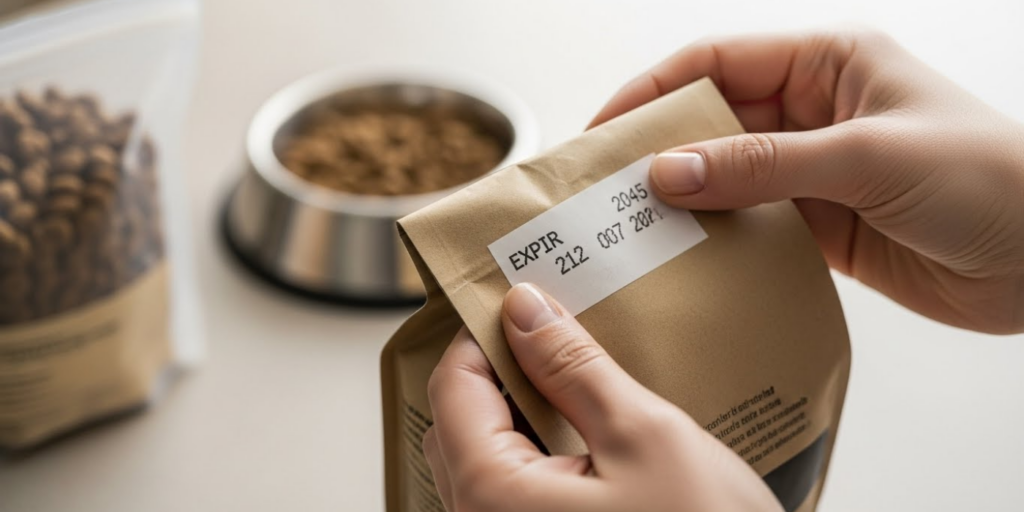
That “Best By” date on your dog food bag isn’t just a suggestion—it’s your best indicator of peak quality and safety. Feeding expired food increases the risk of rancidity, nutrient loss, and even mycotoxin contamination (toxins from mold that can cause serious illness).
Here’s how to decode labels:
- “Best By” or “Use By”: The manufacturer guarantees full nutritional value and freshness up to this date—if stored properly.
- “Manufactured On”: Helps track batches in case of recalls.
Always check the date before buying (avoid bags with dates less than 6 months away) and write the opening date on the bag with a marker. Most dry dog food stays fresh 6 weeks after opening, even if the “Best By” date is months away.
Never feed food that smells sour, looks oily or discolored, or has an off texture. When in doubt, throw it out. Your dog’s digestive system is more sensitive than you think—and a $50 vet visit isn’t worth saving a few dollars of old kibble.
6. Keep Pests Out—For Your Dog’s Sake and Yours
A forgotten bag of dog food can become a magnet for pantry pests: ants, weevils, moths, and even mice. These invaders don’t just ruin food—they can carry diseases or lay eggs in kibble, leading to infestations that spread to your own groceries.
Prevention tips:
- Store food off the floor (on a shelf or stand).
- Seal all bags and containers tightly—no gaps!
- Clean up spills immediately (even tiny crumbs attract bugs).
- Rotate stock: use older bags before opening new ones (“first in, first out”).
If you spot bugs in your dog food, discard the entire bag immediately in an outdoor trash can. Then deep-clean the storage area with vinegar or food-safe disinfectant.
Remember: pests aren’t just a nuisance—they’re a health hazard. Protecting your dog’s food also protects your home and family.
A Small Habit with Big Impact
Storing dog food correctly might seem like a minor detail in the grand scheme of pet care—but it’s one of those quiet acts of love that speaks volumes. It shows you’re not just feeding your dog; you’re nourishing them with intention, care, and respect.
Every time you seal that bag, choose a cool cabinet, or wash a container, you’re helping preserve the nutrients, flavor, and safety your dog depends on. You’re also reducing waste, saving money, and avoiding emergency vet trips caused by spoiled food.
In a world where convenience often wins, choosing thoughtful storage is a stand for quality over ease. And your dog—wagging tail and all—will thank you with better digestion, shinier fur, and more energy to play.
Conclusion
Proper dog food storage isn’t complicated, but it is crucial. By keeping food in its original bag inside a clean, airtight container, storing it in a cool, dry, dark place, handling wet and fresh foods with care, respecting expiration dates, and guarding against pests, you’re doing far more than just organizing your pantry—you’re safeguarding your dog’s health.
These habits take just minutes but pay off in better nutrition, fewer stomach upsets, and peace of mind. And the best part? They’re easy to start today, no matter your budget or living space.
So next time you bring home a new bag of kibble or a tray of fresh food, pause for a moment. Ask yourself: “Am I storing this in a way that honors my dog’s well-being?” If not, now’s the perfect time to make a small but powerful change.
We’d love to hear from you: What’s your dog food storage setup? Have you ever had a “oops” moment with spoiled food or pantry bugs? Share your story or tips in the comments below—and don’t forget to share this guide with a fellow dog parent who could use a few smart storage secrets! 🐾

Mary Brown is a devoted pet enthusiast with a lifelong passion for animals of all kinds. From volunteering at local shelters to creating cozy, enriching spaces for her own furry family, she believes that every pet deserves love, comfort, and attentive care. With years of hands-on experience and a heart full of empathy, Mary shares practical tips and heartfelt insights to help fellow pet parents nurture happier, healthier lives for their companions.