Introduction
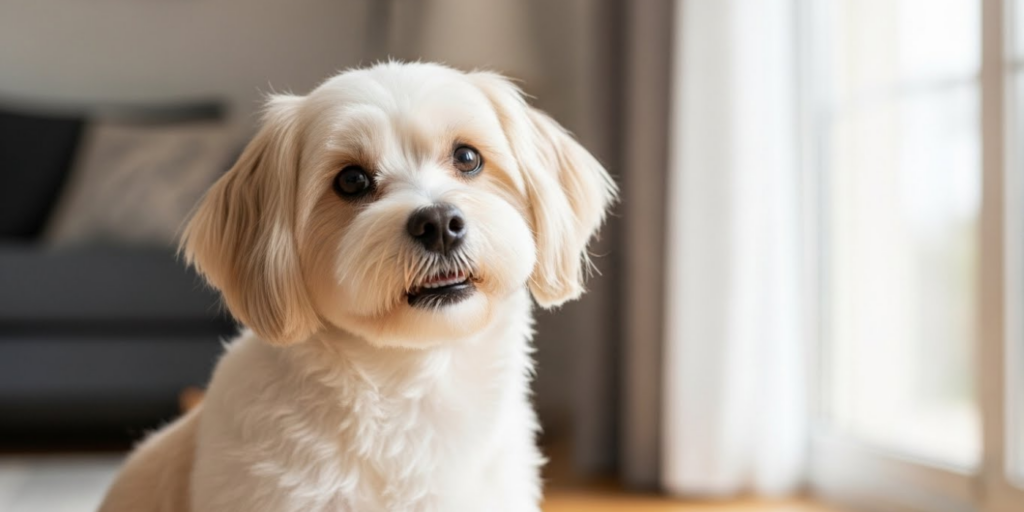
Imagine a dog that fits perfectly in your lap, wags its tail like a metronome set to “joy,” and greets every stranger like a long-lost best friend. That’s the Havanese—a pint-sized charmer with a big personality and an even bigger heart. Often mistaken for a “designer” toy breed, the Havanese is actually Cuba’s only native dog and one of the most affectionate, adaptable companions you’ll ever meet.
But there’s far more to this silky-coated sweetheart than meets the eye. From their history as aristocratic lapdogs to their surprising talent for circus tricks, Havanese dogs pack a lot of character into a small frame. Whether you’re considering adding one to your family or simply curious about this joyful breed, understanding their unique traits can help you appreciate—and care for—them even more.
In this article, we’ll explore the most fascinating characteristics of the Havanese, including their social superpowers, intelligence, grooming needs, and why they’re often called the “clowns of the dog world.” You’ll also learn how to channel their energy, manage their sensitivity, and create a home where this little dog truly thrives. Let’s uncover what makes the Havanese not just cute—but unforgettable.
1. The Ultimate Social Butterfly
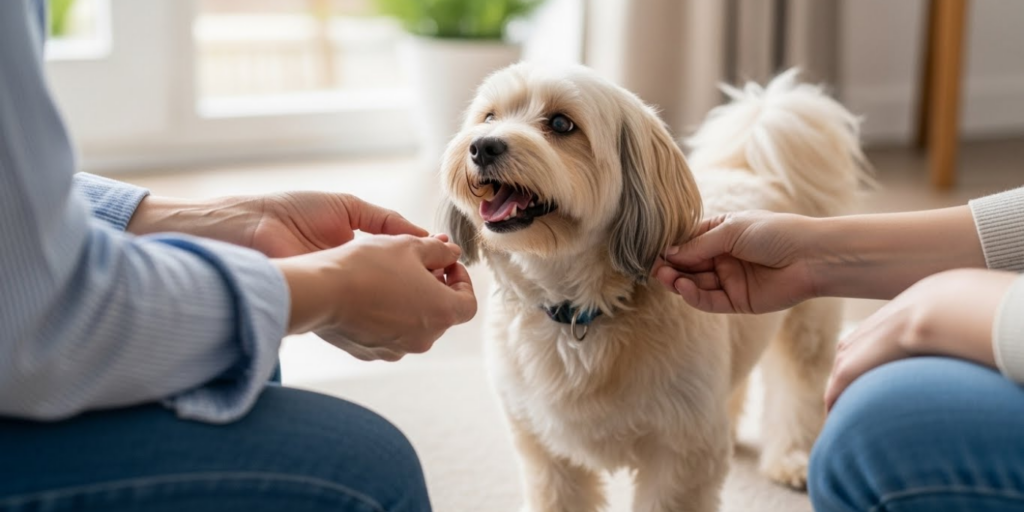
If dogs had personality types, the Havanese would be the life of the party. These dogs crave connection—not just with their humans, but with nearly everyone they meet. Unlike some toy breeds that are shy or aloof, Havanese are famously outgoing, friendly, and eager to engage.
This sociability stems from their origins. Bred as companion dogs for Cuban nobility, they were selected for their affectionate, non-aggressive temperaments. They thrived on attention and were often carried from room to room like living accessories—though they were far more than just decoration.
In modern homes, this translates to a dog that:
- Follows you everywhere (even into the bathroom)
- Welcomes guests with wiggles, not barks
- Gets along beautifully with kids, other pets, and even cats
However, this deep need for companionship also means Havanese do not do well when left alone for long hours. They can develop separation anxiety, leading to destructive behavior or excessive vocalization.
Practical tip: If you work full-time, consider a dog walker, pet sitter, or a canine sibling to keep your Havanese company. Even a few midday check-ins can make a world of difference.
Their social nature makes them poor guard dogs—but excellent emotional support animals. In fact, many Havanese excel in therapy work, bringing comfort to hospitals, schools, and nursing homes with their gentle, intuitive presence.
2. Surprisingly Smart—and Eager to Please
Don’t let their fluffy appearance fool you: the Havanese is one of the most intelligent toy breeds. Ranked among the top 25 most trainable dogs by experts like Dr. Stanley Coren, they pick up commands quickly and love mental challenges.
Historically, Havanese weren’t just lapdogs—they were street performers in 19th-century Cuba, trained to dance, jump through hoops, and even walk tightropes in traveling circuses. This legacy lives on in their playful, trainable nature.
Today, that intelligence shows up in delightful ways:
- They learn tricks like “spin,” “high-five,” or “fetch the remote” with ease
- They’re quick to understand household routines (some even “tell time” and wait by the door before walks)
- They respond well to positive reinforcement—especially when treats and praise are involved
But beware: a bored Havanese can become mischievous. Without enough mental stimulation, they might invent their own games—like unrolling toilet paper or rearranging your shoes.
Try this: Puzzle toys, short obedience sessions, or even scent games (hiding treats under cups) keep their minds sharp. Just 10–15 minutes of training a day can satisfy their craving for purpose.
Because they’re so attuned to human emotions, Havanese also excel in canine sports like agility, rally obedience, and even dock diving—yes, these little swimmers love water!
3. A Coat That’s Beautiful—but Demanding
One of the Havanese’s most striking features is their long, silky, hypoallergenic coat. Unlike dogs that shed heavily, Havanese hair grows continuously (much like human hair), which means it traps dander instead of releasing it into the air—making them a popular choice for allergy sufferers.
However, that gorgeous coat comes with responsibility. Without regular grooming, it mats quickly, leading to discomfort and even skin infections.
Here’s what coat care really looks like:
- Daily brushing is ideal to prevent tangles, especially behind the ears and under the legs
- Professional grooming every 4–6 weeks helps maintain neatness (many owners opt for a “puppy cut” for easier upkeep)
- Bathing every 2–3 weeks with a gentle dog shampoo keeps the coat clean and soft
Good news: You can absolutely manage this at home with the right tools—slicker brush, metal comb, and detangling spray. Many owners find brushing to be a bonding ritual, not a chore.
Alternatively, the “corded” Havanese look (similar to a Puli) is possible but requires expert-level maintenance and isn’t practical for most pet owners.
Fun fact: Their coat can come in almost any color or combination—white, black, chocolate, silver, sable, or even parti-color with unique markings. No two Havanese look exactly alike!
4. The “Clown” with a Sensitive Soul
Ask any Havanese owner, and they’ll likely describe their dog as a “clown.” These dogs love to entertain—dancing on their hind legs, flipping toys in the air, or making silly faces to get a laugh. Their expressive eyes, mobile ears, and springy gait add to their comedic charm.
But beneath the playful exterior lies a deeply sensitive spirit. Havanese are attuned to tone of voice, body language, and household energy. Harsh corrections or chaotic environments can stress them out, leading to trembling, hiding, or refusal to eat.
This sensitivity makes positive, gentle training essential. Never yell or use punishment-based methods—they respond best to encouragement, consistency, and calm leadership.
Real-life example: When Sarah’s family went through a stressful move, her Havanese, Milo, stopped eating and clung to her constantly. Only after she created a quiet space with familiar blankets and stuck to a predictable routine did he relax again.
This emotional awareness also makes them excellent companions for quiet households, seniors, or people recovering from illness. They seem to know when you need comfort—and they’ll offer it with a gentle paw or a quiet cuddle.
5. Perfect for Apartments—But Still Needs Activity
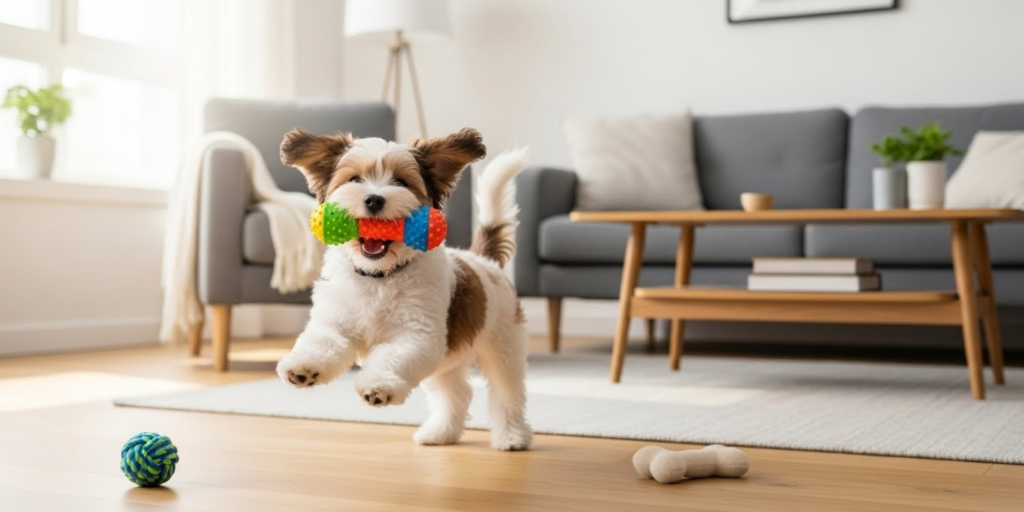
Thanks to their small size (typically 7–13 pounds) and quiet disposition, Havanese are ideal apartment dogs. They don’t need a yard, and their bark—while present—is usually moderate and alert-based, not incessant.
That said, don’t mistake them for couch potatoes. Despite their lapdog reputation, Havanese have moderate energy levels and enjoy daily walks, play sessions, and exploration.
A typical day might include:
- A 20–30 minute walk
- Indoor games like fetch or tug
- A few minutes of trick training
- Plenty of lap time (on their terms!)
They’re also excellent travel companions. Their portable size, friendly nature, and adaptability make them great for road trips, pet-friendly cafes, and even air travel (always check airline policies first).
Bonus: Because they’re so people-oriented, Havanese often mirror their owner’s activity level. If you’re active, they’ll happily join you on hikes (with water breaks!). If you’re more sedentary, they’ll curl up with a book—literally, if you let them!
Why the Havanese Stands Out in a Crowd of Toy Breeds
In a world full of popular toy dogs—Poodles, Shih Tzus, Maltese—the Havanese carves its own niche. They’re less yappy than a Chihuahua, more trainable than a Pekingese, and more outgoing than a Cavalier King Charles Spaniel. Their blend of intelligence, affection, and humor makes them uniquely well-rounded.
Moreover, their rarity outside of dedicated breeder circles means they’ve largely avoided the extreme health issues that plague overbred toy dogs. With responsible breeding, Havanese often enjoy long lifespans of 14–16 years—plenty of time to fill your life with laughter and love.
But their greatest trait? Loyalty. A Havanese doesn’t just live with you—they choose you, follow you, and devote themselves to your happiness with unwavering enthusiasm.
Conclusion
The Havanese may be small, but their impact is enormous. From their rich Cuban heritage to their clownish antics and velvety-soft companionship, this breed offers a rare mix of joy, intelligence, and emotional depth. They’re not just pets—they’re partners in everyday life, bringing lightness to tough days and amplifying the joy of good ones.
If you’re looking for a dog that’s affectionate without being clingy (well, mostly!), smart without being stubborn, and beautiful without being high-maintenance (with effort!), the Havanese might be your perfect match.
Of course, they’re not for everyone. They need company, grooming, and gentle guidance. But for the right home—one filled with love, laughter, and a little patience—they’ll repay you tenfold in wags, cuddles, and unforgettable moments.
Now we’d love to hear from you: Do you share your life with a Havanese? What’s the funniest or sweetest thing they’ve ever done? Or are you considering this breed—what’s your biggest question? Drop a comment below! And if you know someone who’d fall head over heels for this charmer, share this article with them. The world could always use a few more Havanese smiles. 🐾✨

Mary Brown is a devoted pet enthusiast with a lifelong passion for animals of all kinds. From volunteering at local shelters to creating cozy, enriching spaces for her own furry family, she believes that every pet deserves love, comfort, and attentive care. With years of hands-on experience and a heart full of empathy, Mary shares practical tips and heartfelt insights to help fellow pet parents nurture happier, healthier lives for their companions.