Introduction
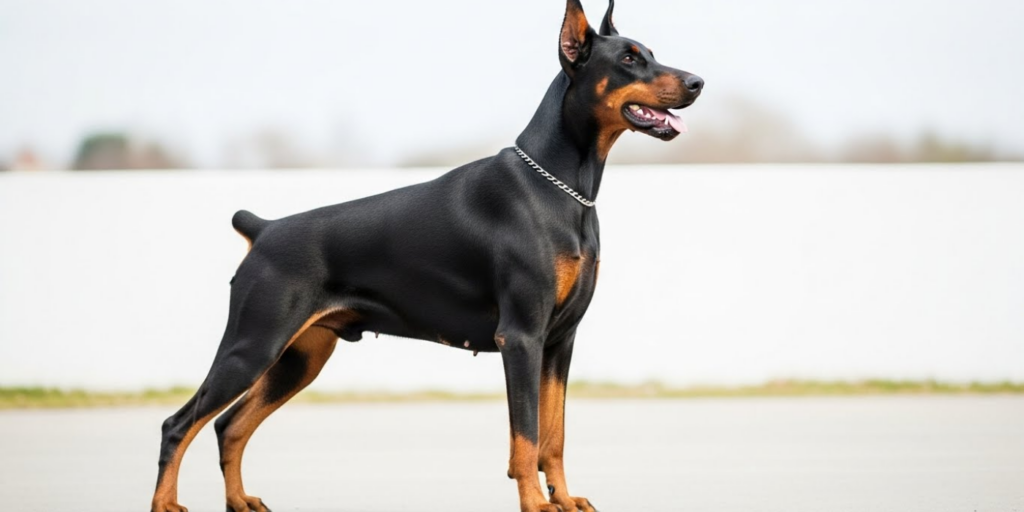
You’ve probably seen them in movies—sleek, black-and-tan, ears pricked, radiating intensity. The Doberman Pinscher is often cast as the ultimate guard dog, a symbol of danger and discipline. But what if you learned that this misunderstood breed was originally created to be a loyal tax collector’s companion, is ranked among the most trainable dogs in the world, and is deeply affectionate with children?
Despite their imposing reputation, Dobermans are intelligent, sensitive, and surprisingly playful—closer to a velcro lap dog than a Hollywood villain. Sadly, myths and media portrayals have overshadowed their true nature, leading to unfair stereotypes and even breed-specific legislation in some areas.
In this article, we’ll uncover the lesser-known, fascinating truths about the Doberman Pinscher—from their surprising origins and hidden talents to their gentle side at home. Whether you’re a longtime admirer, a curious dog lover, or considering welcoming one into your family, you’ll gain a new appreciation for this elegant, loyal, and deeply devoted breed.
1. Dobermans Were Invented by a Tax Collector—Not a Soldier
Contrary to popular belief, the Doberman wasn’t bred for war or aggression. The breed was developed in the 1890s by Karl Friedrich Louis Dobermann, a German tax collector who also ran a dog pound and night watchman service in the town of Apolda.
His goal? To create the perfect protector for his risky job—a dog that was intelligent enough to stay calm, agile enough to keep up on foot patrols, and loyal enough to guard him without being overly aggressive.
He crossbred local shorthaired shepherd dogs with Rottweilers, German Pinschers, Greyhounds, and possibly Manchester Terriers to create a sleek, fast, and alert companion. The result was a dog so effective that fellow officers began requesting their own.
Fun fact: The breed was originally called the “Dobermann’s Pinscher” (with two N’s). The name was later Americanized to “Doberman Pinscher”—though in many countries, including Germany, it’s simply the Dobermann.
2. They’re One of the Smartest Dog Breeds Alive
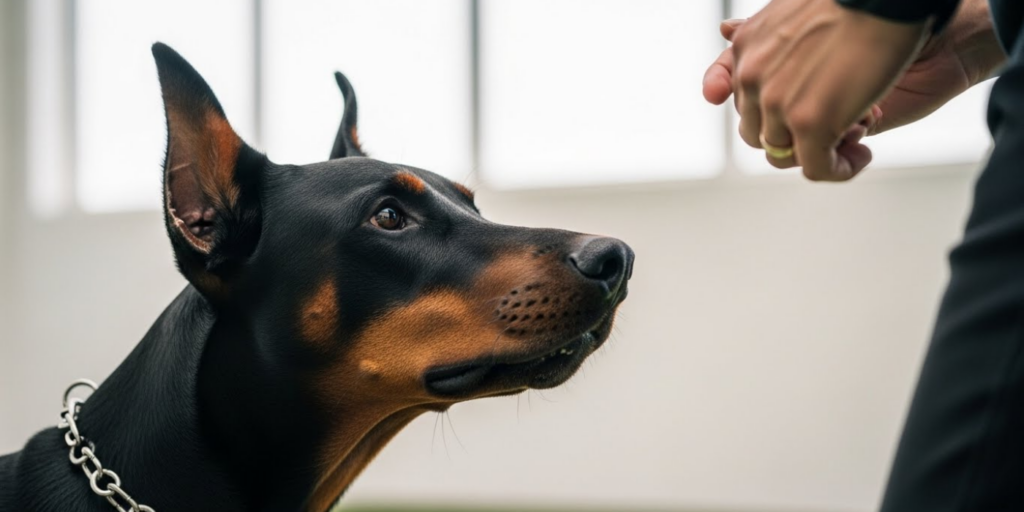
Forget the “aggressive brute” stereotype—Dobermans are brilliant thinkers. According to Dr. Stanley Coren’s The Intelligence of Dogs, Dobermans rank #5 out of 138 breeds in working and obedience intelligence.
This means they can:
- Learn a new command in fewer than 5 repetitions
- Obey a known command on the first try 95% of the time
- Excel in advanced tasks like scent detection, search-and-rescue, and even therapy work
During World War II, Dobermans served as military sentries, scouts, and messengers for the U.S. Marine Corps—so trusted that a memorial called the “Dog of the Pacific” stands in their honor at Guam.
Why it matters: Their intelligence requires mental stimulation. Without it, boredom can lead to destructive behavior—not aggression. With positive training, they become eager, responsive partners who thrive on challenges.
3. Dobermans Are Secretly Big Softies at Home
Outside, they’re alert and watchful. Inside? Total cuddle bugs who believe they’re lap dogs—despite weighing 60–100 pounds.
Dobermans form intense bonds with their families and often shadow their favorite person from room to room. They’re known to:
- Gently carry children’s toys (never mouthing them)
- Rest their head on your knee during movie night
- “Talk” with soft grumbles or sighs when they want attention
Contrary to the guard dog myth, well-socialized Dobermans are calm, stable, and patient—especially with kids they’ve grown up with. The American Kennel Club (AKC) describes them as “energetic, watchful, determined, alert, fearless, loyal, and obedient.” Notice what’s missing? “Aggressive.”
Important note: Their protectiveness is instinctive but not automatic. A properly raised Doberman won’t attack strangers—but they will stand between you and perceived danger, assessing the situation before acting.
4. Their Ears and Tails Are Natural—Not Always Cropped
Many people assume Dobermans are born with pointy ears and short tails. But in reality, all Dobermans are born with floppy ears and long tails—just like most dogs.
Ear cropping and tail docking were historically done for functional reasons:
- Cropped ears reduced injury risk during protection work
- Docked tails prevented “grabbing” in fights or dense brush
Today, these procedures are banned in over 40 countries, including the UK, Australia, and most of Europe, and are increasingly discouraged in the U.S. Many modern Doberman owners now choose to keep their dogs natural—and the breed is just as stunning with floppy ears and a flowing tail.
Surprising detail: The FCI (Fédération Cynologique Internationale) now penalizes cropped ears in show dogs in member countries, signaling a global shift toward natural presentation.
5. Dobermans Were Nearly Extinct—Twice
Like many purebreds, the Doberman faced near-extinction during both World Wars due to food shortages and shifting priorities. After WWII, dedicated German breeders saved the line by carefully selecting dogs with the right temperament, structure, and working ability.
Then, in the 1970s, a genetic crisis emerged: Dilated Cardiomyopathy (DCM) and von Willebrand’s Disease (a bleeding disorder) became widespread due to limited gene pools.
Thankfully, responsible breeders responded by:
- Implementing rigorous health testing (OFA cardiac, vWD DNA tests)
- Expanding genetic diversity through careful outcrossing programs
- Prioritizing temperament and health over size or aggression
Today’s Doberman is healthier and more stable than ever—thanks to ethical breeders who put welfare first.
6. They Excel as Service and Therapy Dogs
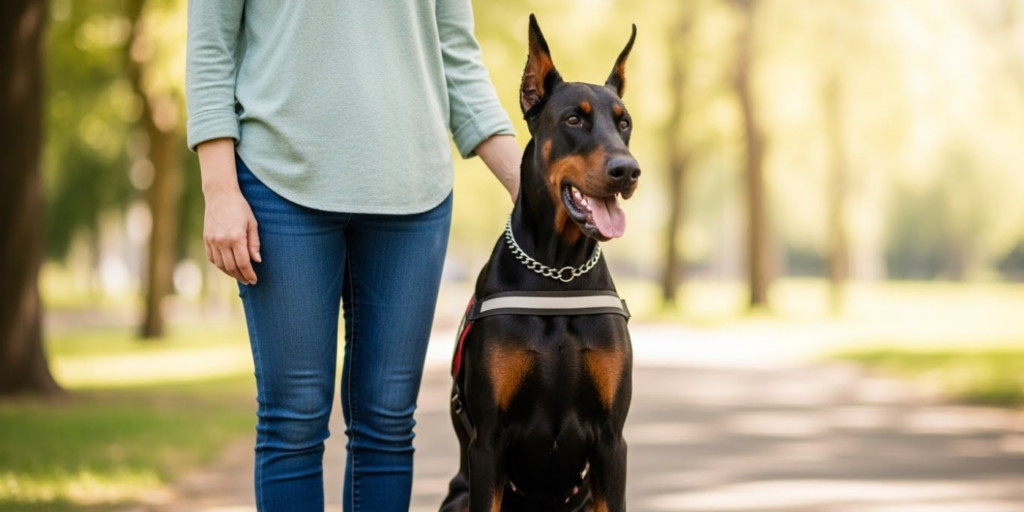
Because of their size and intensity, few people imagine a Doberman as a therapy dog. But organizations like Therapy Dogs International and Paws with a Cause have successfully trained Dobermans to:
- Assist veterans with PTSD
- Provide mobility support for people with disabilities
- Comfort children in hospitals and schools
One famous example is “Kobel,” a Doberman who worked as a courthouse facility dog in Texas, helping child witnesses feel safe during testimony. His handler said: “Kids would hug him and whisper secrets. He never moved—just listened with his whole heart.”
This side of the breed is rarely shown in media—but it’s very real. Their deep empathy and calm presence make them surprisingly well-suited for emotional support roles.
7. The “King Doberman” Is a Myth (And Potentially Harmful)
You might see ads for “King,” “Giant,” or “Warlock” Dobermans—dogs bred to be larger, heavier, and more intimidating. These are not recognized by any reputable kennel club and often result from unethical breeding practices.
Standard Dobermans:
- Males: 26–28 inches tall, 75–100 lbs
- Females: 24–26 inches tall, 60–75 lbs
“Giant” lines can exceed 120 lbs—but this extra size often comes with joint problems, reduced lifespan, and unstable temperaments. The Doberman Pinscher Club of America (DPCA) strongly discourages these exaggerations.
Why it matters: True Doberman elegance lies in their sleek, athletic build—not brute mass. Responsible breeders focus on balance, movement, and health, not size.
8. Dobermans Have a “Switch”—And It’s a Gift
One of the most misunderstood traits of the breed is what trainers call the “on/off switch.”
At home, a Doberman is relaxed, even lazy—happy to nap at your feet for hours. But the moment a stranger approaches the house or a child cries out in play, they instantly become alert and ready.
This isn’t aggression—it’s situational awareness, honed over a century of guarding and companionship. A well-bred, well-trained Doberman knows the difference between a threat and a guest.
Why it’s valuable: This switch makes them exceptional protectors without being reactive. They don’t bark at every leaf blowing by—but they’ll stand firm if real danger appears. That balance is rare and precious.
Final Thought: The Doberman’s Heart Is Bigger Than Its Reputation
Behind that serious expression beats the heart of a true friend—loyal, intelligent, and deeply devoted. The Doberman isn’t a weapon; it’s a partner. And like any great partnership, it thrives on trust, respect, and love.
Conclusion
The Doberman Pinscher is far more than a powerful protector. He’s a historical innovator, a working genius, a gentle companion, and a loyal guardian—all wrapped in one elegant package. From his humble origins with a German tax collector to his modern roles in therapy and service, this breed continually defies stereotypes when given the chance.
Sadly, misinformation and poor ownership have painted Dobermans as dangerous—when in truth, they’re one of the most dependable and devoted breeds when raised with love, structure, and socialization.
If you’ve ever judged a Doberman by his looks, we hope these surprising facts have shifted your perspective. And if you’re lucky enough to share your life with one, you already know: behind that sleek silhouette is a soul full of loyalty, intelligence, and quiet love.
👉 Did any of these facts surprise you? Have you met a Doberman who defied expectations? Share your story in the comments below—and if this article changed how you see the breed, pass it on to someone who might benefit from a second look!

Mary Brown is a devoted pet enthusiast with a lifelong passion for animals of all kinds. From volunteering at local shelters to creating cozy, enriching spaces for her own furry family, she believes that every pet deserves love, comfort, and attentive care. With years of hands-on experience and a heart full of empathy, Mary shares practical tips and heartfelt insights to help fellow pet parents nurture happier, healthier lives for their companions.