Introduction
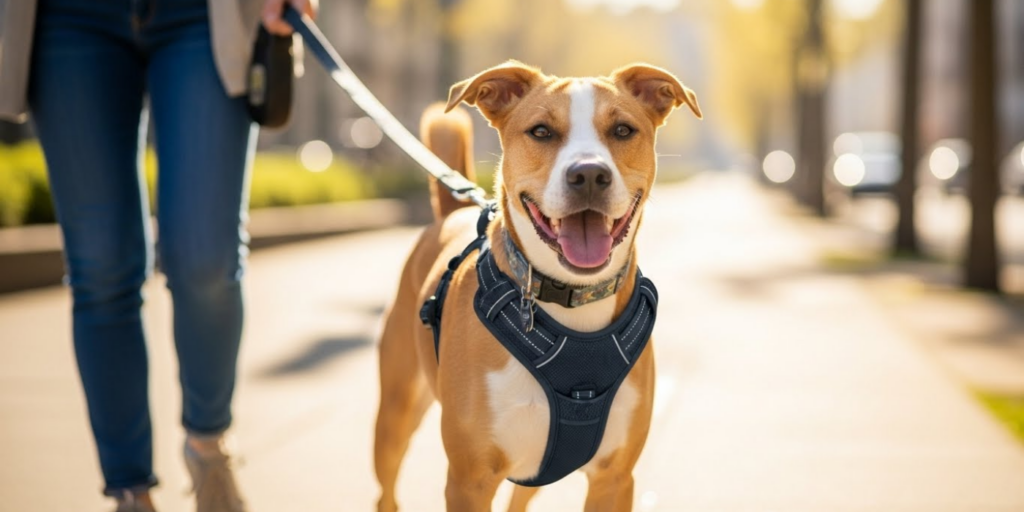
Walking your dog should be a joyful experience—full of wagging tails, fresh air, and shared moments of connection. But if your pup pulls, tugs, or seems uncomfortable in their gear, that daily stroll can quickly become a frustrating chore. The secret to transforming walks from stressful to seamless? Choosing the right harness.
Unlike traditional collars that can strain your dog’s neck and trachea—especially in enthusiastic or reactive dogs—a well-designed harness distributes pressure more evenly across the chest and shoulders. This not only enhances comfort but also gives you better control without compromising your dog’s safety or well-being. Whether you’re navigating busy sidewalks, training a new puppy, or managing a strong-puller, the right harness can make all the difference.
In this article, we’ll explore the top dog harnesses that excel in comfort, control, and everyday usability. We’ll break down what makes a harness truly stand out—from padding and adjustability to leash attachment points and escape-proof designs. You’ll also discover expert tips on how to measure your dog correctly, spot red flags in cheap products, and match harness features to your dog’s unique needs. By the end, you’ll be equipped to choose a harness that keeps your dog happy, healthy, and strutting confidently on every walk.
Let’s dive into what really matters when it comes to gear that walks the walk—and talks the talk.
Why Comfort Should Be Your #1 Priority
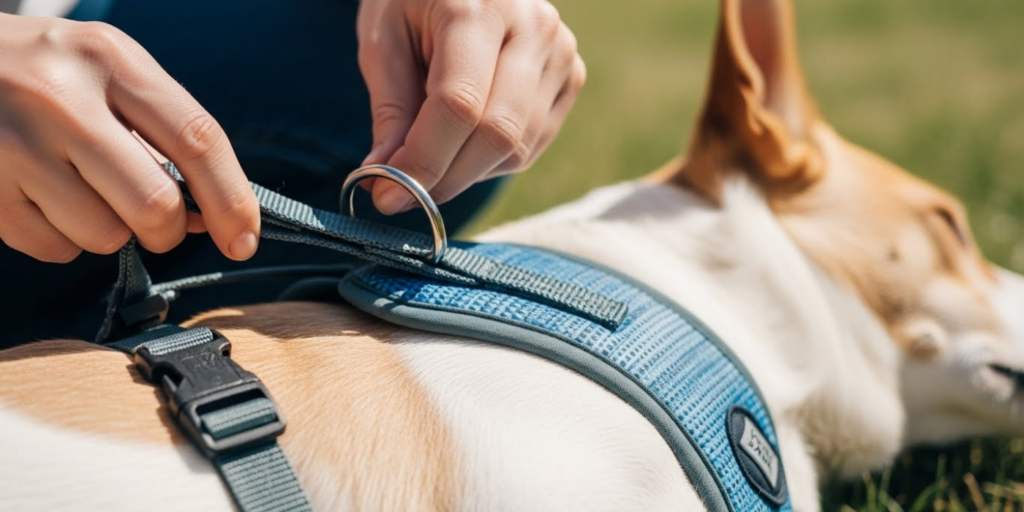
When it comes to dog harnesses, comfort isn’t just a luxury—it’s a necessity. A poorly fitting or scratchy harness can cause chafing, restrict movement, or even lead to long-term joint or muscle issues, especially in active or growing dogs. That’s why the best harnesses prioritize soft, breathable materials and ergonomic design.
Look for harnesses made with padded neoprene or mesh lining—these materials cushion pressure points around the chest and under the arms while allowing airflow to prevent overheating. Adjustable straps are equally crucial: dogs come in all shapes and sizes, from deep-chested Greyhounds to barrel-bodied Bulldogs, and a one-size-fits-all approach rarely works. A harness with at least three points of adjustment (neck, girth, and chest) ensures a snug but not constricting fit.
Real-world example: Take Luna, a 45-pound mixed breed rescue with sensitive skin. Her owner tried three different budget harnesses before switching to a padded, multi-adjustable model. Within days, Luna stopped scratching at her gear and actually started sitting patiently by the door at walk time—proof that comfort changes behavior.
Remember: if your dog resists putting on their harness or shows signs of irritation (like excessive licking or red marks), it’s time for an upgrade. Prioritizing comfort isn’t spoiling your pup—it’s respecting their physical well-being.
Control Without Compromise: Harnesses That Guide, Not Punish
One common misconception is that “control” means restricting or correcting your dog. In reality, the best harnesses offer gentle guidance that supports training and cooperation—not force. This is where front-clip and dual-clip harnesses shine.
Front-clip harnesses attach the leash to a ring on the dog’s chest rather than their back. When your dog pulls, the gentle redirection turns them toward you instead of reinforcing forward momentum. Brands like the Freedom No-Pull Harness and EasyWalk use this principle effectively, making them excellent choices for strong pullers or reactive dogs.
Dual-clip harnesses (with both front and back leash rings) offer even more versatility. Use the back clip for relaxed, off-leash-style walks in safe areas, and switch to the front clip when you need more focus—like crossing streets or passing other dogs.
Importantly, these harnesses should never restrict shoulder movement or breathing. A study by the University of Liverpool found that some no-pull designs can interfere with a dog’s natural gait if poorly constructed. Always choose a harness that allows full range of motion while still providing steering control.
Pro tip: Pair your control-focused harness with positive reinforcement training. Reward your dog when they walk calmly beside you—this builds lasting habits far more effectively than any gear alone.
Everyday Usability: Durability, Cleanability, and Convenience
A harness might look great in the store, but how does it hold up after weeks of muddy trails, rainy walks, and enthusiastic roll-in-the-grass sessions? For daily use, durability and ease of maintenance matter just as much as comfort and control.
High-quality harnesses use reinforced stitching, abrasion-resistant nylon or polyester webbing, and heavy-duty buckles (often made of acetal plastic or metal). Reflective stitching or strips aren’t just stylish—they’re essential for early morning or evening walks near traffic.
Equally important: is it machine-washable? Dogs love to get dirty, and a harness that traps odors or stains after one muddy adventure isn’t practical long-term. Look for removable padding or quick-dry fabrics that rinse clean with minimal effort.
Consider the Ruffwear Front Range Harness—a favorite among urban and trail walkers alike. It’s rugged enough for hiking, breathable for summer heat, and features a handle on the back for quick lifts into cars or over obstacles. Plus, it comes in multiple sizes and colors, with intuitive buckles that even arthritic hands can manage.
Convenience also includes how quickly you can put it on. Step-in harnesses or those with wide openings reduce wrestling matches, especially with wiggly puppies or senior dogs who can’t stand still for long.
In short: your everyday harness should be as low-maintenance as your morning coffee routine—reliable, easy to handle, and ready to go at a moment’s notice.
Matching the Harness to Your Dog’s Unique Needs
Not all dogs are the same—and their harnesses shouldn’t be, either. A Chihuahua’s needs differ vastly from those of a Husky, and a senior dog with arthritis requires different support than a bouncy adolescent.
For small or toy breeds: Choose lightweight harnesses with Y-shaped chest plates that avoid putting pressure on the trachea. Avoid bulky designs that overwhelm their frame. Brands like Puppia Soft Harness offer gentle, minimalistic fits perfect for petite pups.
For large or strong pullers: Prioritize reinforced materials and wide chest straps. Look for harnesses tested to withstand high tensile force—some even feature Kevlar-reinforced stitching. The 2 Hounds Design Freedom Harness is a standout here, combining front-clip control with rugged construction.
For senior dogs or those with mobility issues: Opt for harnesses with a sturdy handle on the back. This lets you assist them up stairs, into vehicles, or over curbs without straining their joints. The Julius-K9 Power Harness includes this feature while still offering excellent adjustability.
For dogs with short snouts (brachycephalic breeds like Pugs or Bulldogs): Avoid harnesses that sit high on the neck or restrict chest expansion. Instead, select models with wide, contoured chest plates that support breathing during activity.
And don’t forget: behavior matters too. Escape artists need harnesses with secure buckles and minimal gaps (like the Kurgo Tru-Fit), while anxious dogs may benefit from calming pressure designs like those inspired by the Thundershirt concept.
Take time to observe your dog’s walking style, body shape, and personality. The “best” harness isn’t a one-size-fits-all winner—it’s the one that fits your dog like a second skin.
Common Mistakes to Avoid When Buying a Harness
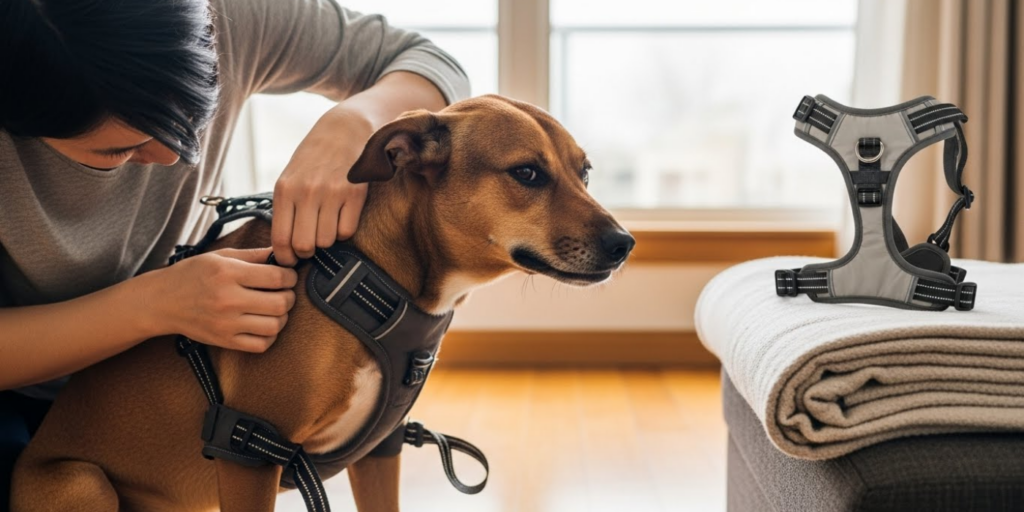
Even the most well-intentioned pet parents can fall into traps when shopping for harnesses. Here are the top pitfalls—and how to sidestep them:
1. Guessing the size. Never buy based on breed alone. Two Labradors can have vastly different girths. Always measure your dog’s neck and chest (just behind the front legs) with a soft tape, and consult the brand’s size chart—even if it means sizing up or down from what you expect.
2. Ignoring fit in motion. A harness might look fine when your dog stands still—but watch them walk, trot, and turn. Straps should stay flat against the body without riding up, twisting, or digging in.
3. Over-prioritizing style over function. Yes, that glittery harness is adorable—but if it lacks padding or proper adjustment, it’s not worth it. Save the fashion pieces for photos; choose performance gear for daily wear.
4. Assuming “no-pull” means instant training. No harness alone stops pulling. It’s a tool, not a trainer. Consistency, patience, and positive reinforcement are still key.
5. Reusing old harnesses that no longer fit. Puppies grow fast, and adult dogs can gain or lose weight. A harness that once fit perfectly may now cause discomfort or even safety risks.
By avoiding these mistakes, you’ll not only extend the life of your gear but also ensure your dog’s long-term comfort and safety.
Top 5 Harness Recommendations for 2025
After testing dozens of models and reviewing expert and owner feedback, here are five harnesses that consistently earn top marks for comfort, control, and daily reliability:
- Ruffwear Front Range Harness
Best Overall: Durable, breathable, and features both front and back leash attachments. Ideal for active dogs and urban walkers.
Key Features: Reflective trim, padded chest, easy on/off design. - 2 Hounds Design Freedom No-Pull Harness
Best for Pullers: Dual-clip system with martingale-style tightening for gentle correction.
Key Features: Customizable fit, lifetime warranty, made in the USA. - Kurgo Tru-Fit Smart Dog Harness
Best for Escape Artists: Seatbelt-inspired buckle and five adjustment points prevent slipping.
Key Features: Crash-tested for car safety, handle for lifting. - Puppia Soft Dog Harness
Best for Small Breeds: Lightweight mesh with V-neck design to protect delicate throats.
Key Features: Affordable, machine-washable, dozens of colors. - Julius-K9 IDC Power Harness
Best for Large/Working Dogs: Rugged, military-grade materials with optional patches for service or training ID.
Key Features: Ergonomic shape, strong handle, excellent airflow.
Each of these harnesses balances form and function—but remember, the “best” is the one that works for your dog’s body and behavior.
Conclusion
Choosing the right dog harness is more than a shopping decision—it’s an investment in your dog’s health, your relationship, and the simple joy of walking together. From preventing neck strain to offering gentle guidance and adapting to your dog’s unique shape, a high-quality harness makes daily walks safer, more comfortable, and more enjoyable for everyone involved.
We’ve covered why comfort is non-negotiable, how control can be kind and effective, what makes a harness truly practical for everyday life, and how to match features to your dog’s individual needs. Most importantly, we’ve emphasized that the best gear works with your dog—not against them.
Now it’s your turn. Take a close look at your current harness. Does it pass the “wiggle test”? Does your dog seem relaxed and happy wearing it? If not, use the tips in this guide to find a better fit. Your dog’s wagging tail—and your peaceful walks—will thank you.
Got a harness story to share? Did you finally find “the one” after years of trial and error? Drop your favorite pick or ask a question in the comments below—we’d love to hear what works for you and your pup! And if this guide helped you, share it with a fellow dog lover who’s still wrestling with leash battles. Happy walking!

Mary Brown is a devoted pet enthusiast with a lifelong passion for animals of all kinds. From volunteering at local shelters to creating cozy, enriching spaces for her own furry family, she believes that every pet deserves love, comfort, and attentive care. With years of hands-on experience and a heart full of empathy, Mary shares practical tips and heartfelt insights to help fellow pet parents nurture happier, healthier lives for their companions.