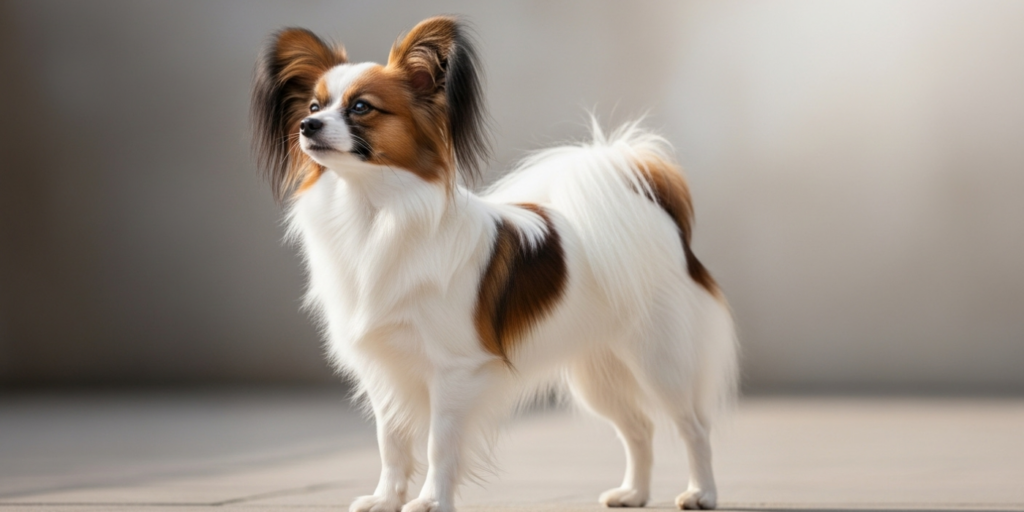
At first glance, the Papillon looks like a living work of art—a tiny dog with large, butterfly-wing ears, a plumed tail held high like a feather duster, and a coat that flows like silk. But this isn’t just a pretty face in a dog’s body. The Papillon’s elegance runs far deeper than its looks—it’s woven into its posture, intelligence, history, and spirit.
Often mistaken for a “fancy lapdog,” the Papillon (pronounced pap-ee-ohn, French for “butterfly”) is, in fact, one of the oldest and most intelligent toy breeds in the world. Once beloved by European royalty and painted by masters like Titian and Van Dyck, this little dog carries centuries of refinement in every step it takes.
But what truly makes the Papillon so elegant? Is it the way it moves? The alertness in its eyes? The grace with which it carries itself, even while chasing a tennis ball across the living room?
In this article, we’ll explore the physical, behavioral, and historical elements that give the Papillon its unmistakable elegance. You’ll discover why this breed stands out among toy dogs, how its “butterfly ears” became its signature, and why elegance isn’t just about appearance—it’s about presence.
Whether you’re a long-time admirer or just met this charming breed, you’ll come away with a deeper appreciation for the Papillon’s timeless grace.
1. The Signature “Butterfly Ears”: A Mark of Distinction
The Papillon’s most iconic feature—its large, upright ears fringed with long hair—isn’t just adorable. It’s the very reason for its name and a key element of its elegance.
Unlike most toy breeds with floppy or rounded ears, the Papillon’s ears stand tall and wide, resembling the open wings of a butterfly. This trait didn’t happen by accident. It was deliberately refined over centuries of selective breeding in European courts.
Why it matters:
- The ears are high-set and mobile, allowing the dog to express curiosity, alertness, and emotion with subtle flicks
- They frame the face beautifully, giving the Papillon a wide, intelligent expression
- In dog shows, ear shape and carriage are heavily judged—proof of how central they are to the breed’s identity
Fun fact: There’s a drop-eared variety called the Phalène (French for “moth”), which is the older form of the breed. But the upright “butterfly” ear became so popular that it’s now the standard.
2. A Silhouette Built for Grace, Not Just Cuteness
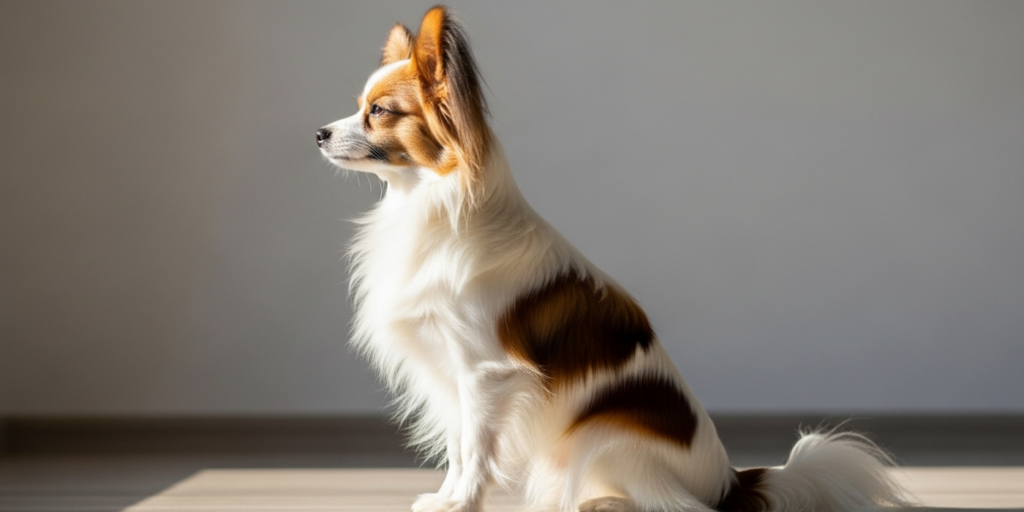
Elegance isn’t just about fluff—it’s about proportion, balance, and movement. And the Papillon’s body is a masterclass in toy breed conformation.
Despite weighing only 5–10 pounds, the Papillon is not fragile or delicate like some toy dogs. Instead, it’s light, sturdy, and athletic—built for agility and alertness.
Key physical traits that convey elegance:
✅ Slightly longer than tall: Creates a balanced, harmonious outline
✅ Plumed tail carried over the back: Adds flow and softness to its silhouette
✅ Fine-boned but muscular: No spindly legs—just refined strength
✅ Long, silky coat with a ruff around the neck: Like a Renaissance collar, it enhances the regal look
Most importantly, the Papillon moves with lightness and spring—never mincing or dainty, but with confident, quick steps that reflect its alert nature.
Analogy: Think of a ballet dancer—small in stature, but every movement is precise, controlled, and full of expression.
3. Intelligence and Alertness: The Mind Behind the Beauty
True elegance isn’t passive—it’s alive with awareness. And the Papillon is one of the smartest dog breeds in the world.
According to Dr. Stanley Coren’s The Intelligence of Dogs, the Papillon ranks #8 out of 138 breeds in working and obedience intelligence—beating many much larger, more “serious” breeds like the Golden Retriever or Boxer.
This intelligence shows in their:
- Quick learning: They pick up commands in just a few repetitions
- Problem-solving skills: They’ll figure out how to open cabinets or fetch specific toys by name
- Expressive communication: They “talk” with their eyes, ears, and body language
Why this enhances elegance: A dog that’s mentally sharp carries itself with purpose and presence. The Papillon doesn’t just sit pretty—it engages, observes, and responds with intention. That’s the essence of refined elegance.
4. A Royal Heritage: Elegance Woven into History
The Papillon’s grace isn’t accidental—it was cultivated in the palaces of Europe for over 700 years.
Evidence of Papillon-like dogs appears in art as early as the 13th century. By the Renaissance, they were favorites of Madame de Pompadour, Louis XIV, and Mary, Queen of Scots—who reportedly carried her Papillons to her execution.
These dogs weren’t just fashion accessories. They were companions to the elite, valued for their loyalty, quiet demeanor, and ability to bring comfort in high-stress court life.
Paintings tell the story: In works by Rubens and Goya, Papillons sit calmly at the feet of nobles or rest in their laps—always composed, never frantic.
This long association with aristocracy shaped the breed’s temperament: calm, confident, and unfazed by grandeur. They were born to belong in elegant spaces—and they still do.
5. Temperament: Confident, Not Clingy
Unlike some toy breeds that are shy, nervous, or overly dependent, the Papillon carries itself with quiet confidence.
They are:
- Friendly but not clingy
- Curious but not chaotic
- Affectionate but not needy
This balance is key to their elegance. They enjoy being near you—but they don’t tremble in your arms or bark at every noise. Instead, they observe the world with poise, stepping in only when they have something to say (often with a soft, melodic bark).
Real-life example: At a busy dog show, while other small dogs cower or yip, the Papillon stands tall, ears perked, tail up—calmly taking it all in.
6. Movement: The Dance of a Gentle Athlete
Watch a Papillon run, and you’ll see elegance in motion. They don’t just trot—they trot with reach and drive, covering ground with surprising efficiency.
In the show ring, judges look for:
- Free, effortless gait
- Head held high
- Tail arched over the back
This isn’t just for looks. The Papillon was originally a companion and alert dog, not a lap ornament. Its movement reflects its readiness—graceful, yes, but always alert.
Bonus: Papillons excel in dog sports like agility, obedience, and rally—proving that elegance and athleticism go hand in hand.
7. Grooming: Natural Beauty, Minimal Effort
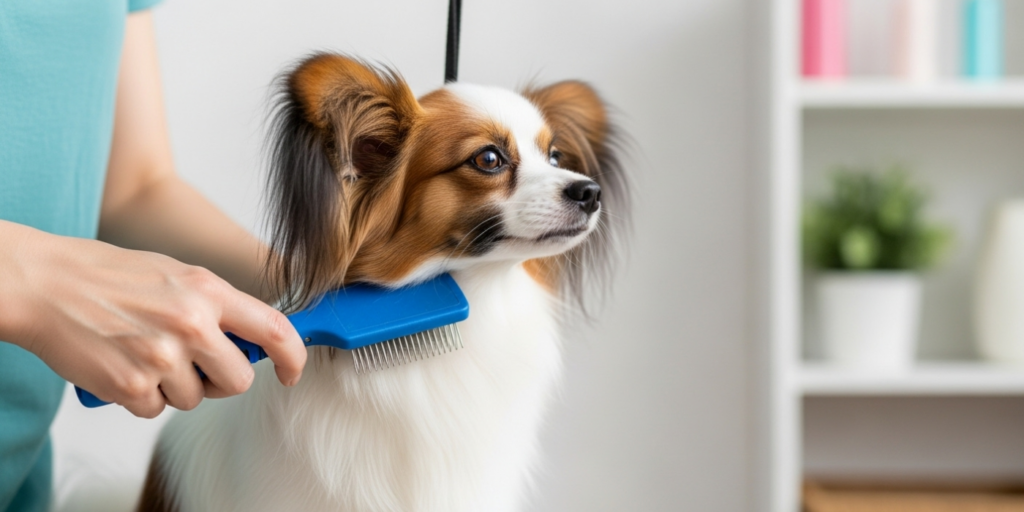
You might assume a dog this beautiful requires hours of grooming. But the Papillon’s elegance is low-maintenance.
Their long, silky coat:
- Doesn’t mat easily if brushed 2–3 times a week
- Has no undercoat, so shedding is minimal
- Needs no trimming—the breed standard calls for a natural look
This “effortless beauty” is part of its charm. The Papillon looks like it just stepped out of a portrait—without needing a stylist.
Pro tip: Pay extra attention to the ears and feathering on legs and tail—they’re showy but prone to tangles if ignored.
8. A Breed That Ages Gracefully
Many small dogs become yappy or anxious with age. But the Papillon tends to mature into a calmer, wiser companion—retaining its elegance well into its teens (they often live 14–16 years).
Their intelligence means they adapt to quieter lifestyles as they age, and their strong bond with their person keeps them engaged without being demanding.
True elegance endures—and the Papillon proves it.
9. Common Misconceptions: More Than Just a Pretty Face
❌ Myth: Papillons are fragile “handbag dogs.”
✅ Truth: They’re surprisingly sturdy and love play, hikes, and dog sports.
❌ Myth: They’re yappy and high-strung.
✅ Truth: With proper training, they’re quiet and well-mannered—barking only when necessary.
❌ Myth: They’re only for older owners or city dwellers.
✅ Truth: Their energy and smarts make them great for active families, too—just avoid rough play with small children.
The Papillon’s elegance is active, intelligent, and resilient—not passive or delicate.
10. Living with a Papillon: Bringing Elegance Home
If you’re drawn to the Papillon’s grace, here’s how to honor it:
- Train with positive reinforcement: Their intelligence thrives on mental challenges
- Socialize early: Build confidence without fear
- Provide gentle exercise: Short walks, indoor games, or agility
- Respect their alert nature: They’ll guard your home with polite barks—not aggression
Most of all, appreciate them not as a decorative object, but as a thoughtful, loyal companion who happens to look like a Renaissance painting come to life.
Conclusion: Elegance as a Way of Being
The Papillon’s elegance isn’t skin-deep. It’s the result of centuries of refinement, a brilliant mind, and a spirit that blends confidence with kindness.
This tiny dog teaches us that true grace isn’t about being still or silent—it’s about moving through the world with awareness, purpose, and joy.
Whether perched on a velvet cushion in a 17th-century palace or curled up on your couch watching the rain, the Papillon carries itself with the quiet dignity of a timeless classic.
So the next time you see one, don’t just admire its butterfly ears or silky coat. Watch how it listens. How it moves. How it loves.
That’s where you’ll find its real elegance.
We’d love to hear from you: Have you ever met a Papillon? What surprised you most about their personality? Share your experience in the comments below! And if this article deepened your appreciation for this exquisite breed, pass it on to a fellow dog lover—they might just fall in love with the “butterfly dog” too. 🦋🐾

Mary Brown is a devoted pet enthusiast with a lifelong passion for animals of all kinds. From volunteering at local shelters to creating cozy, enriching spaces for her own furry family, she believes that every pet deserves love, comfort, and attentive care. With years of hands-on experience and a heart full of empathy, Mary shares practical tips and heartfelt insights to help fellow pet parents nurture happier, healthier lives for their companions.