Introduction
Imagine a dog that can learn a new command in fewer than five repetitions, understand over 200 words, and even sense when you’re feeling anxious before you do. That’s not science fiction—it’s the everyday reality of living with a German Shepherd.
Renowned for their sharp minds, unwavering loyalty, and remarkable versatility, German Shepherds consistently rank among the most intelligent dog breeds in the world. But what makes them so smart? Is it their breeding, their brain structure, their drive to work—or all of the above?
In this article, we’ll explore the fascinating reasons behind the German Shepherd’s extraordinary intelligence. From their history as working dogs to their cognitive abilities, emotional awareness, and trainability, you’ll discover what sets them apart—not just from other breeds, but from many animals altogether. Whether you’re a current owner, a prospective adopter, or simply a dog lover curious about canine cognition, you’ll gain valuable insights into how this iconic breed thinks, learns, and connects.
So let’s dive into the mind of the German Shepherd—and uncover why they’re not just smart, but exceptionally so.
A Legacy of Purpose: Intelligence Forged Through Work
The German Shepherd’s intelligence didn’t happen by accident—it was carefully cultivated through over a century of intentional breeding.
Developed in late 19th-century Germany by Captain Max von Stephanitz, the breed was designed with one goal in mind: to create the ultimate herding and working dog. Von Stephanitz famously said, “The dog must be useful—beauty is secondary.” He prioritized traits like problem-solving ability, obedience, endurance, and adaptability over appearance.
As a result, German Shepherds were bred not just to follow commands, but to think independently. A herding dog on a remote hillside couldn’t wait for instructions—it had to read the flock’s movement, anticipate strays, and act decisively. This blend of instinct and reasoning is embedded in the breed’s DNA.
Over time, their roles expanded far beyond shepherding. They became police K-9s, military scouts, search-and-rescue heroes, guide dogs for the blind, and even actors in Hollywood (hello, Rin Tin Tin!). Each of these jobs demanded not just physical strength, but mental agility, emotional control, and the ability to learn complex tasks.
Real-world example: During the 9/11 rescue efforts, German Shepherds like Apollo worked tirelessly in rubble, locating survivors through scent discrimination—a task requiring intense focus, memory, and resilience under stress.
In short, the German Shepherd’s intelligence was never meant to be passive. It was built for action, service, and partnership.
Cognitive Powerhouse: How German Shepherds Learn and Remember
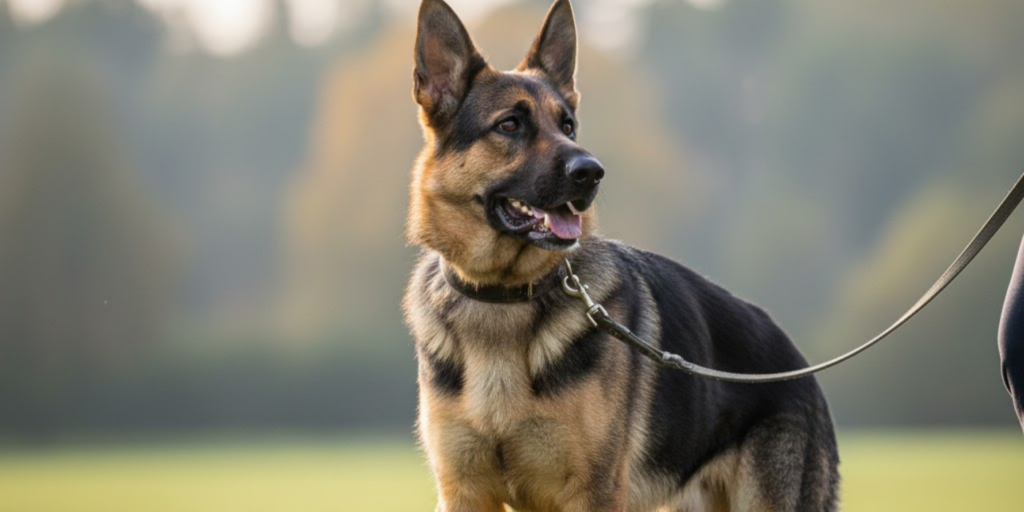
When it comes to raw brainpower, few dogs match the German Shepherd. According to Dr. Stanley Coren’s landmark book The Intelligence of Dogs, German Shepherds rank 3rd out of 138 breeds in “working and obedience intelligence”—right behind Border Collies and Poodles.
What does this mean in practice?
- They can learn a new command with just 5 repetitions or fewer.
- They obey known commands 95% of the time or more—even on the first try.
- They understand 200+ words and signals, comparable to a 2.5-year-old human child.
But their intelligence goes beyond obedience. German Shepherds excel at associative learning—they link actions with outcomes quickly. Drop your keys? They know it means “walk.” Pick up your work bag? “You’re leaving—better give extra cuddles now.”
They also possess strong episodic-like memory, meaning they can recall specific events. A study published in Current Biology showed dogs can remember actions they saw their owners perform—even an hour later—suggesting a form of “mental time travel.”
Everyday implication: This is why your German Shepherd might stare intently when you’re upset or bring you a toy when you’re sad. They’re not just reacting—they’re remembering your past behavior and trying to help.
This cognitive depth makes them incredibly responsive to training—but it also means they get bored easily. Without mental stimulation, their sharp minds can turn to mischief (hello, chewed couch legs!). That’s why puzzle toys, obedience drills, and scent games aren’t just fun—they’re essential.
Emotional Intelligence: The “Sixth Sense” of Connection
Beyond IQ, German Shepherds possess what many owners describe as a “sixth sense”—an uncanny ability to read human emotions and respond with empathy.
Numerous studies confirm that dogs, especially working breeds like German Shepherds, are highly attuned to human facial expressions, tone of voice, and body language. They can distinguish between happy and angry faces, and they often mirror their owner’s emotional state.
German Shepherds take this further. Their strong bonding instinct—bred into them for teamwork—makes them hyper-aware of your moods. Many owners report their Shepherds sensing anxiety attacks, low blood sugar, or even seizures before they happen. While not all dogs are formally trained as medical alert animals, their natural sensitivity gives them a head start.
A touching story: Sarah, a military veteran with PTSD, adopted a rescue German Shepherd named Lex. Within weeks, Lex began nudging her awake during nightmares and standing between her and crowds in public—behaviors he’d never been taught. His emotional radar was instinctive.
This emotional intelligence is why German Shepherds thrive in therapy and service roles. They don’t just follow scripts—they adapt in real time to human need. And in your home, that same intuition makes them more than a pet—they become a true companion.
Trainability Meets Drive: Why Intelligence Needs Direction
Here’s a crucial point: intelligence without purpose can become frustration. And the German Shepherd has a lot of both intelligence and drive.
Unlike some breeds that are smart but stubborn (looking at you, Afghan Hound), German Shepherds want to work with you. They crave structure, challenges, and a job to do. This makes them highly trainable—but only if you provide consistent leadership and mental engagement.
Practical tips for owners:
- Start training early (8–12 weeks old) with positive reinforcement.
- Use short, varied sessions (5–10 minutes) to keep their focus.
- Incorporate scent work, agility, or trick training to satisfy their problem-solving urge.
- Never use harsh punishment—German Shepherds are sensitive and respond best to respect-based methods.
Without guidance, their energy and smarts can manifest as barking, digging, or anxiety. But with the right outlet? They’ll learn to fetch the newspaper, turn off lights, or even “count” by barking on cue.
Pro insight: Many behavioral issues in German Shepherds aren’t due to bad temperament—they’re signs of an under-stimulated mind. The solution isn’t more discipline; it’s more purpose.
As one K-9 trainer puts it: “A bored German Shepherd is a destructive German Shepherd. A challenged German Shepherd is a happy, well-behaved partner.”
Myth vs. Reality: Addressing Common Misconceptions

Despite their brilliance, German Shepherds are often misunderstood. Let’s clear up a few myths:
Myth 1: “They’re naturally aggressive.”
Reality: German Shepherds are protective, not aggressive. Poor socialization or irresponsible breeding—not intelligence—leads to fear-based reactivity. A well-raised Shepherd is calm, confident, and discerning.
Myth 2: “They’re too intense for families.”
Reality: With proper training and exercise, they’re incredibly loyal and gentle with children. Their intelligence makes them excellent at reading kids’ energy and adjusting their play.
Myth 3: “Only experts should own them.”
Reality: While they do need engagement, they’re not “too smart” for first-time owners. What they need is commitment—not expertise. Consistency, patience, and love go a long way.
Understanding the truth helps us appreciate their intelligence not as a liability, but as a gift—one that flourishes in the right environment.
Conclusion
The German Shepherd’s intelligence is a blend of history, biology, and heart. Bred for purpose, honed by generations of service, and fueled by a deep desire to connect, they stand apart not just as working dogs, but as thinking, feeling partners in our lives.
We’ve explored how their intelligence was shaped by selective breeding, how their cognitive abilities rival young children, how their emotional awareness creates profound bonds, and why their smarts need direction to thrive. Most importantly, we’ve seen that their brilliance isn’t just about learning tricks—it’s about understanding us.
If you share your life with a German Shepherd, honor their mind as much as their loyalty. Challenge them, trust them, and listen to them. You might be surprised by how much they already understand.
Now we’d love to hear from you!
Do you own or know a German Shepherd? What’s the smartest (or most surprising) thing they’ve ever done? Share your story in the comments below. If this article deepened your appreciation for this incredible breed, share it with a fellow dog lover. After all, the world could always use more thoughtful, intelligent companions—both human and canine.

Mary Brown is a devoted pet enthusiast with a lifelong passion for animals of all kinds. From volunteering at local shelters to creating cozy, enriching spaces for her own furry family, she believes that every pet deserves love, comfort, and attentive care. With years of hands-on experience and a heart full of empathy, Mary shares practical tips and heartfelt insights to help fellow pet parents nurture happier, healthier lives for their companions.