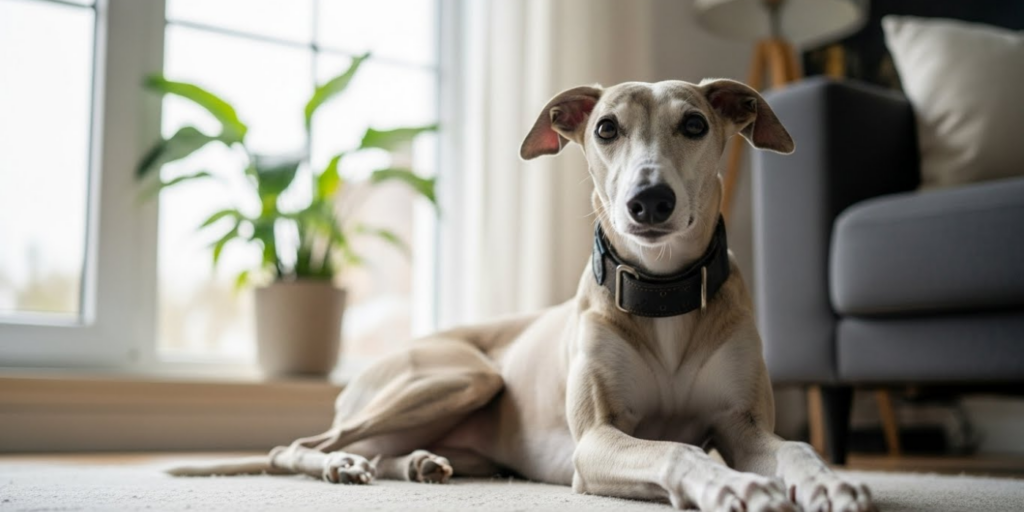
At first glance, the Whippet might seem like a contradiction: a sleek, aerodynamic sprinter built for 35-mph bursts—yet one of the most serene, couch-loving dogs you’ll ever meet. Often called the “poor man’s racehorse,” this elegant sighthound is equally at home chasing a lure on the track and curled up silently at your feet for hours.
If you’ve ever longed for a dog that’s gentle, quiet, low-maintenance, and deeply affectionate—without the high-strung energy of many small breeds—the Whippet might be your perfect match. Unlike their louder, more demanding cousins, Whippets thrive on calm routines, peaceful companionship, and the simple joy of being near you.
In this article, we’ll explore why the Whippet stands out as a remarkably calm companion, even among other quiet breeds. From their laid-back personality and minimal barking to their adaptability in apartments and sensitivity to your mood, you’ll discover how this graceful dog brings quiet joy to everyday life. Whether you’re a retiree, a busy professional, or someone who cherishes peaceful moments, the Whippet’s tranquil presence may be exactly what your home needs.
So take a breath, slow down, and let’s meet the gentle soul behind the racing stripes.
1. Built for Speed—But Wired for Chill
It’s hard to reconcile the Whippet’s racing heritage with their reputation for calmness. After all, they’re descendants of Greyhounds, bred for coursing rabbits across open fields. Yet, unlike many high-energy breeds, Whippets are famous for their “45-mph couch potato” personality.
Why the contrast? Whippets are sprinters, not endurance athletes. They burn energy in short, intense bursts—then happily settle in for hours of rest. A 20-minute play session in the yard or a quick game of fetch is often enough to satisfy their physical needs for the day.
Real-life example: Mark, a New York City apartment dweller, adopted a Whippet named Luna thinking he’d need a backyard. Instead, Luna spends her days napping in sunbeams, watching birds from the window, and joining Mark for short evening walks. “She’s the calmest dog I’ve ever known,” he says. “She’s always there—quiet, present, and peaceful.”
This natural rhythm—burst, then rest—makes Whippets ideal for urban living, seniors, or anyone who values tranquility.
2. Quiet by Nature: Rarely Barks, Never Nagging
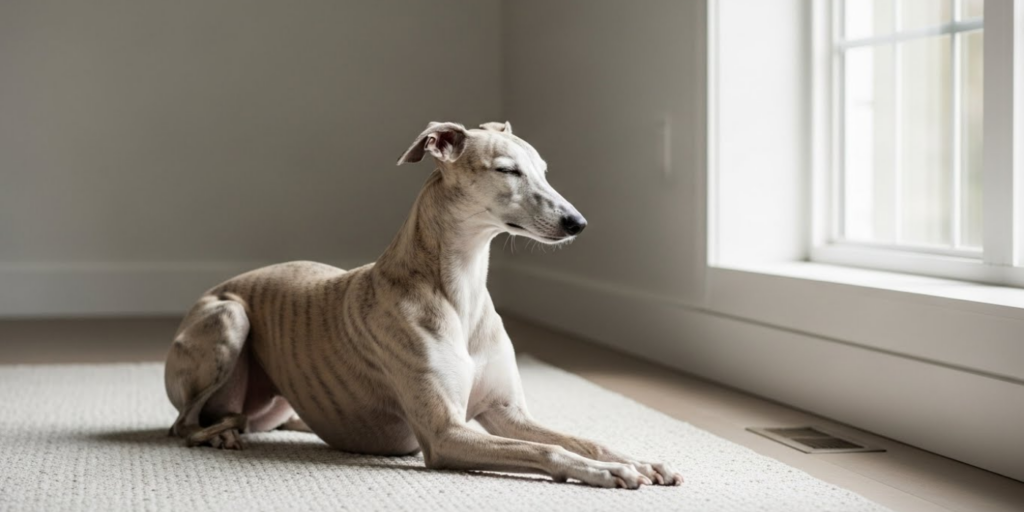
In a world of yappy terriers and alert barkers, the Whippet is a breath of fresh air. They are notoriously quiet dogs. Most Whippets bark only when truly startled or excited—never out of boredom or territorial instinct.
This isn’t aloofness; it’s temperament. As sighthounds, they were bred to spot prey silently and give chase—not to alert or guard. As pets, this translates to a dog who won’t disturb your Zoom calls, wake you at dawn, or annoy neighbors.
Benefit for owners: No noise complaints, no constant chatter, just peaceful coexistence. For noise-sensitive individuals (or those in apartments), this is a huge plus.
Note: While they don’t bark much, many Whippets “talk” in soft whines, grumbles, or tooth-chattering when happy—a quiet language all their own.
3. Deeply Sensitive and Attuned to Your Emotions
Whippets are emotional sponges. They pick up on your mood with uncanny accuracy. If you’re stressed, they’ll nuzzle your hand. If you’re sad, they’ll rest their head on your lap. If you’re relaxed, they’ll melt beside you like warm wax.
This sensitivity stems from their history as companion animals. While originally bred for hunting, Whippets were also cherished as household pets by working-class families in 19th-century England—who valued their loyalty and gentle nature as much as their speed.
Practical impact: Whippets thrive on calm, predictable environments. They don’t do well with harsh corrections, loud voices, or chaotic households. But in a serene home, they blossom into intuitive, empathetic companions.
Tip: Use positive reinforcement only. A stern tone can shut a Whippet down for hours. Praise, treats, and gentle guidance work far better.
4. Minimal Grooming, Maximum Cuddles
For those who want a low-maintenance dog, the Whippet delivers. Their short, fine coat sheds minimally and requires little more than a weekly wipe-down with a grooming mitt. No brushing marathons, no professional grooming bills.
But don’t mistake low-shedding for low-affection. Whippets are not aloof like some sleek-coated breeds. They crave physical closeness—often following you room to room, leaning against your legs, or burrowing under blankets with you.
Why this matters: Their calm demeanor isn’t indifference—it’s quiet devotion. They don’t need to demand attention; they simply want to be near you, in peaceful companionship.
Bonus: Their small-to-medium size (25–40 lbs) makes them perfect lap dogs for cuddling—yes, even the big boys!
5. Adaptable to Apartments and Quiet Homes
Despite their athletic build, Whippets are excellent apartment dogs—as long as they get daily exercise. Their calm indoor behavior and low noise levels make them far better suited to city living than many smaller, noisier breeds.
What they need:
- A daily walk or two (20–30 minutes each)
- One short sprint session in a secure, fenced area (never off-leash in open spaces—they’ll chase squirrels at lightning speed!)
- A cozy bed away from drafts
What they don’t need:
- A huge yard
- Constant stimulation
- Hours of playtime
Ideal for: Busy professionals, retirees, writers, or anyone who enjoys a quiet, predictable routine.
6. Gentle with Children and Other Pets (With Supervision)

Whippets are notoriously good-natured with respectful children and other dogs. Their calm, non-confrontational nature means they rarely start fights or assert dominance.
However, due to their prey drive, they may chase small pets like cats, rabbits, or guinea pigs—especially if not raised with them. Early socialization helps, but supervision is always wise.
With kids, Whippets are patient and tolerant, but their slender build makes them vulnerable to rough handling. They’re best suited to homes with older children (6+) who understand gentle play.
Key point: Whippets aren’t “fragile,” but they’re not rough-and-tumble. They prefer calm interaction over wrestling.
7. Low-Drama, High-Loyalty: The Anti-Diva Dog
In a pet world full of attention-seeking divas, the Whippet is refreshingly low-drama. They don’t whine for treats, bark at delivery people, or demand constant entertainment. Instead, they offer quiet, steady loyalty.
They’re not clingy, but they’re velcro dogs in the gentlest sense—they like to know where you are, even if they’re napping across the room. Leave the house, and they’ll wait by the door. Come home, and they’ll greet you with a soft wag and a lean—not a frantic, jumping welcome.
Why it’s special: This calm attachment creates a deep, stress-free bond. You’re not managing a pet; you’re sharing space with a peaceful, loving friend.
8. Health and Longevity: A Generally Robust Companion
Whippets are one of the healthiest purebred dogs, with few genetic disorders. Their average lifespan is 12–15 years, often spent in active, calm health.
Common considerations:
- Dental care: Like many small-to-medium breeds, they need regular tooth brushing.
- Temperature sensitivity: Their thin coat and low body fat mean they get cold easily. Sweaters aren’t just fashion—they’re necessity in winter.
- Anesthesia sensitivity: As sighthounds, they metabolize drugs differently—always use a vet experienced with the breed.
Preventive care: Feed a high-quality diet, maintain lean weight, and provide dental chews. With these, your Whippet will likely enjoy a long, calm life by your side.
9. Not for Everyone—And That’s Okay
Whippets aren’t perfect for every lifestyle—and that’s part of their charm. They’re not ideal if you want:
- A guard dog (they’re friendly with strangers)
- A high-energy jogging partner (they prefer short bursts)
- A dog who plays fetch endlessly (they’ll bring the ball back… once)
But if you value quiet presence, emotional attunement, and elegant simplicity, the Whippet is unmatched.
Think of them as: The yoga practitioner of the dog world—graceful, centered, and at peace with stillness.
10. The Calm That Deepens Your Own Life
Owning a Whippet doesn’t just give you a calm dog—it can calm you. Their serene energy is contagious. Watching them nap in a sunbeam, stretch like a dancer, or gaze softly into your eyes reminds us to slow down, breathe, and appreciate quiet moments.
In a world that never stops buzzing, the Whippet is a living meditation. They don’t rush. They don’t fuss. They simply are—and in their presence, you remember how to be, too.
Conclusion: Peace in Motion, Stillness in Love
The Whippet may look like a racer, but their heart beats to the rhythm of calm. They offer something rare in today’s fast-paced world: a companion who matches your quiet moments, respects your space, and loves you without noise or neediness.
They’re not flashy. They don’t perform tricks on command or bark to prove their loyalty. Instead, they show up—day after day—with soft eyes, a quiet sigh, and a presence that soothes your soul.
If you’re seeking a dog who embodies grace, gentleness, and peaceful coexistence, look no further than the Whippet. In their stillness, you might just find your own.
Now we’d love to hear from you: Do you own a Whippet? How has their calm nature impacted your life? Or are you considering one as your next companion? Share your stories, photos, or questions in the comments below—let’s celebrate the quiet beauty of this remarkable breed together! 🐾✨

Mary Brown is a devoted pet enthusiast with a lifelong passion for animals of all kinds. From volunteering at local shelters to creating cozy, enriching spaces for her own furry family, she believes that every pet deserves love, comfort, and attentive care. With years of hands-on experience and a heart full of empathy, Mary shares practical tips and heartfelt insights to help fellow pet parents nurture happier, healthier lives for their companions.